Zimbabwe Weighs Social Media Ban for Children Under 18
Zimbabwean authorities are preparing measures that would restrict minors from accessing social media platforms such as Facebook, TikTok and Instagram. The proposal is linked to a national effort to strengthen child protection online. Information and Communication Technology Minister Tatenda Mavetera announced the plan on Sunday, March 8. She made the remarks during a speech in
Zimbabwe Weighs Social Media Ban for Children Under 18
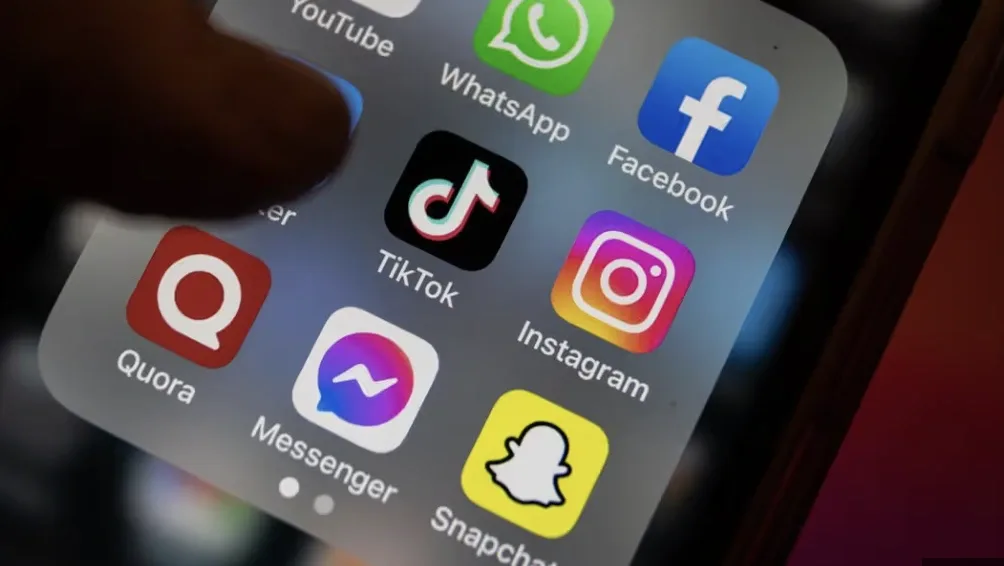
Zimbabwean authorities are preparing measures that would restrict minors from accessing social media platforms such as Facebook, TikTok and Instagram. The proposal is linked to a national effort to strengthen child protection online.
Information and Communication Technology Minister Tatenda Mavetera announced the plan on Sunday, March 8. She made the remarks during a speech in Karoi.
Officials say the policy aims to address risks that digital platforms pose to young users. Authorities want to reduce children’s exposure to harmful or inappropriate content. The plan also targets cyberbullying, online exploitation and excessive social media use.
Age Verification and Platform Responsibilities
The proposal is still being developed. However, authorities are considering stricter age-verification systems on digital platforms. Social media companies may be required to strengthen safeguards that prevent underage users from opening or maintaining accounts.
“We are working on a law under the social sector called the Child Online Protection Policy to safeguard young people. Through this policy, we want to protect the younger generation by restricting access to social media for those who have not reached the maturity age of 18,” Minister Mavetera said.
Global Debate Over Youth and Social Media
Zimbabwe’s proposal comes as governments in several countries reconsider youth access to social media. Policymakers have raised concerns about its effects on adolescent mental health. There are also worries about exposure to violent or explicit content.
In Gabon, authorities recently suspended access to social media platforms “until further notice.” Officials cited similar concerns.
The country’s High Authority for Communication said cases of coordinated cyberbullying have increased. Authorities also reported the unauthorised release of personal data. Some activities were described as harmful to public order and national security. Officials also criticised technology companies for weak moderation of illegal content.
However, proposals to restrict access have sparked debate. Some observers argue that social media supports learning and access to information. It can also give young people a space to express themselves.
Others note that enforcing a full ban may prove difficult. Verifying users’ ages online remains a technical and regulatory challenge.
Zimbabwean authorities have not announced when the measure might be introduced. The proposal is nevertheless expected to trigger wider debate about regulating digital platforms while protecting minors.
“As we implement the Child Online Protection Policy, we will also introduce programmes that guide how children engage with social media,” Mavetera added.