Zambia Invites Carmakers to Set Up EV Component Factories Near Copper Mines
Zambia, one of Africa’s top copper producers, is now taking strategic steps to position itself as a key player in the global electric vehicle (EV) value chain. In a bold move aimed at boosting economic diversification and attracting foreign investment, the Zambian government is actively courting international car manufacturers to establish EV component production facilities near its
Zambia Invites Carmakers to Set Up EV Component Factories Near Copper Mines
Zambia, one of Africa’s top copper producers, is now taking strategic steps to position itself as a key player in the global electric vehicle (EV) value chain. In a bold move aimed at boosting economic diversification and attracting foreign investment, the Zambian government is actively courting international car manufacturers to establish EV component production facilities near its abundant copper mines.
Copper’s Central Role in EVs
As the world rapidly transitions toward cleaner energy solutions, the demand for EVs and their components especially copper, lithium, and cobalt has surged. Copper is a crucial element in EVs, used extensively in batteries, wiring, and motors. Consequently, Zambia, gifted with vast copper reserves, sees an opportunity to move beyond being a raw material exporter and instead become an integral part of the EV manufacturing supply chain Read more here
A Call for Local Manufacturing Partnerships
Speaking at an international mining and energy forum, Zambia’s Minister of Commerce, Trade and Industry, Hon. Chipoka Mulenga, emphasized the country’s strong commitment to value addition. “We are no longer satisfied with exporting copper as a raw material,” the minister said. “We want to invite global carmakers to come closer to the source, to create a green manufacturing base right here in Zambia.” Therefore, the government is urging stakeholders to form partnerships that will drive localized production.
Economic Growth Through Industrialization
As part of this strategy, the government aims to attract investment into EV component manufacturing while simultaneously creating jobs and skills for its growing youthful population. Currently, most of Zambia’s copper is exported to Asia for processing, which significantly limits the country’s economic benefits. Thus, by establishing local assembly and component factories, Zambia hopes to capture more of the value chain and retain higher economic value.
Incentives, Tech Infrastructure, and Industrial Zones
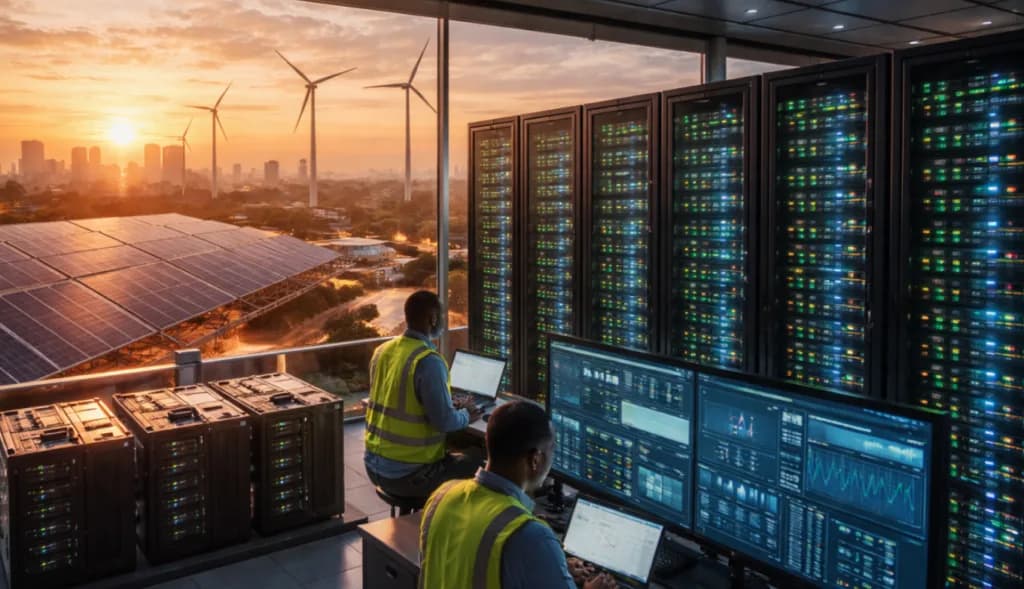
To make this vision a reality, the government is offering various investment incentives such as tax breaks, special economic zones, and infrastructure support. These industrial zones will not only be located near copper mining regions but will also be outfitted with modern business technology including smart grid systems, AI-powered logistics for raw material tracking, and digital platforms for customs and trade facilitation.
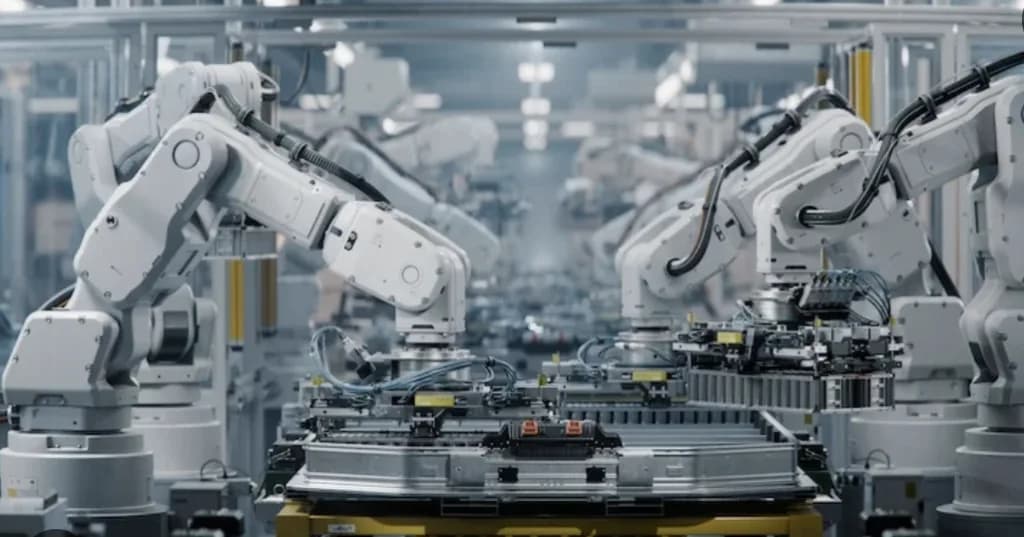
Furthermore, Zambia is leveraging cloud computing and digital permitting systems to streamline processes for foreign investors. In addition, through partnerships with private tech firms, the country is aiming to boost its industrial capacity by integrating automation, robotics, and Industry 4.0 tools to increase manufacturing efficiency.
Regional Collaboration for Battery Production
Moreover, this move aligns with Zambia’s broader ambition to become a regional hub for battery production. In partnership with the Democratic Republic of Congo (DRC), another mineral-rich country, Zambia has signed a pact to develop a regional value chain for battery and EV component production. With support from the United Nations Economic Commission for Africa (UNECA), the two countries are exploring blockchain-enabled traceability systems to ensure ethical sourcing of minerals a key concern for global automakers.
A Strategic and Sustainable Vision
Industry analysts view Zambia’s plan as both timely and visionary. Given that global EV sales are accelerating, automakers are seeking stable sources of raw materials and secure, tech-driven supply chains. As a result, countries like Zambia with both resources and modern digital infrastructure are becoming increasingly attractive. Additionally, localized production reduces global shipping emissions and supports sustainable manufacturing efforts.
Challenges Ahead, But Potential Remains Strong
However, challenges remain. Infrastructure deficits, intermittent electricity supply, and a shortage of skilled labor could hinder progress. Nevertheless, the government is responding with increased investments in renewable energy and digital skills development through tech incubators and partnerships with international universities.
If successful, Zambia’s initiative could mark a turning point in Africa’s role in the EV revolution not just as a supplier of raw materials, but as a competitive, technology-driven manufacturing partner. For Zambia, it’s no longer just about mining copper it’s about refining the future with smart infrastructure, green technology, and digital innovation.