Vodacom Hosts second Accessibility Conference, Launches Phone for the Visually Impaired
Yesterday, Vodacom Group hosted its second Disability and Accessibility Conference, reaffirming its strong commitment to building a more inclusive digital society for persons with disabilities across Africa. The full-day event brought together disability advocates, corporate leaders, policymakers, and accessibility experts to foster dialogue, spark innovation, and promote inclusive practices that move beyond basic compliance. This
Vodacom Hosts second Accessibility Conference, Launches Phone for the Visually Impaired
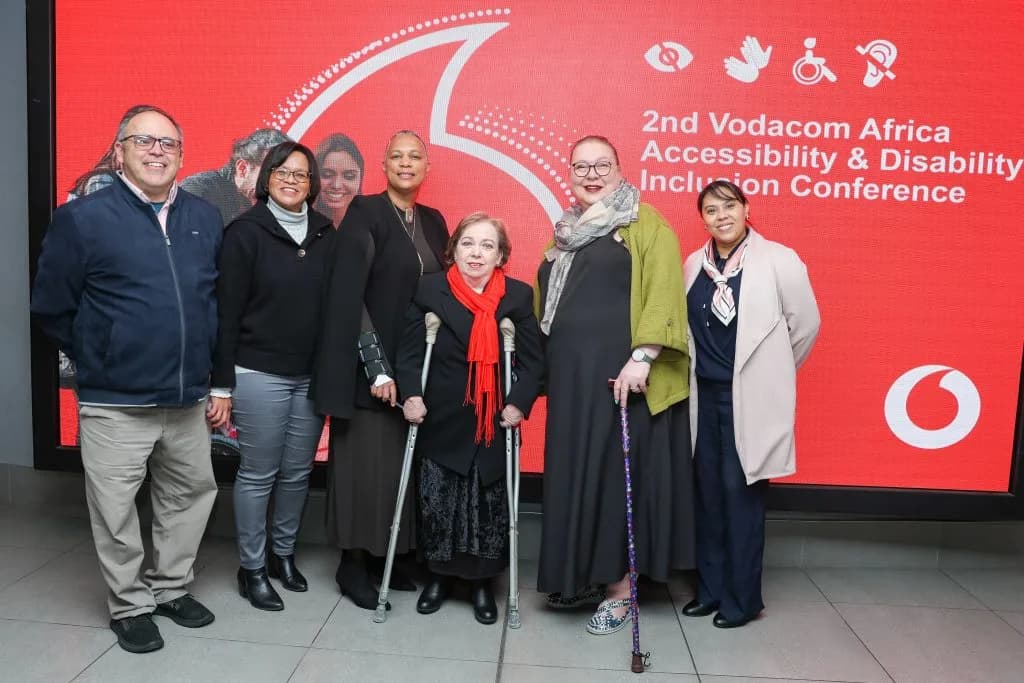
Yesterday, Vodacom Group hosted its second Disability and Accessibility Conference, reaffirming its strong commitment to building a more inclusive digital society for persons with disabilities across Africa. The full-day event brought together disability advocates, corporate leaders, policymakers, and accessibility experts to foster dialogue, spark innovation, and promote inclusive practices that move beyond basic compliance. This year’s theme, “Implementing accessibility upfront, promoting positive customer experiences,”clearly emphasized the importance of designing inclusive environments from the very beginning.
Introducing the Blindshell Classic 2 for the Visually Impaired
Notably, a key highlight of the conference was the launch of the Blindshell Classic 2 a specially designed button-based smartphone created for the visually impaired. In direct response to feedback from last year’s attendees, Vodacom has now made the device available in stores, both on prepaid and contract plans. This step not only addresses affordability but also improves access for blind and partially sighted users, thereby advancing Vodacom’s broader inclusion efforts.
A Call for Accessibility Beyond Compliance
Speaking at the event, Vodacom Group CEO Shameel Joosub emphasized, “True inclusion begins with understanding the daily realities of persons with disabilities and co-creating solutions that directly respond to their needs.” He added that Vodacom is proud to host this conference for the second consecutive year, as it reaffirms the need to embed accessibility within organizational culture and demonstrate how technology can drive life-changing impact.
Throughout the day, participants engaged in keynote speeches, panel discussions, and breakout sessions. Speakers included Joosub, Dr. Praveena Sukhraj-Ely (Department of Women, Youth and Persons with Disabilities), Mothibi Ramusi (ICASA), Rory Preddy (Microsoft), and Bradley Carpenter (South African Medical Research Council), among others.
Driving Africa’s Accessibility Agenda Through Collaboration
Meanwhile, Stephen Chege, Vodacom Group Chief Officer for Regulatory and External Affairs, highlighted the value of collaboration: “By sharing best practices, listening to the disability community, and encouraging stronger public-private partnerships, we can shape a truly inclusive accessibility agenda for Africa.” Furthermore, he stressed the importance of reviewing both internal operations and broader policy frameworks to ensure that inclusion is not just aspirational but actionable.
Bridging the Gap: Accessibility, Connectivity, and the SDGs
Although progress is evident, people with disabilities in Africa continue to face significant barriers. According to the UN Disability and Development Report 2024, persons with disabilities remain disproportionately excluded from crucial areas such as healthcare, education, and digital services core components of the Sustainable Development Goals (SDGs).
For more than two decades, Vodacom has actively worked to bridge these gaps by integrating accessibility into its operations and services. Alongside Safaricom Kenya, Vodacom’s markets in Tanzania, Egypt, the Democratic Republic of Congo, Lesotho, and Mozambique have all contributed to advancing the Group’s disability inclusion agenda.
A Purpose-Led Strategy for Digital Equality
Closing the event, Joosub reaffirmed Vodacom’s long-term vision: “Empowering people through connectivity is central to our purpose. Whether through assistive technologies, inclusive digital literacy programmes, or accessible customer service, we remain fully committed to closing the digital divide and ensuring that everyone has equal opportunities in the digital world.”