Scaling Female-Led Businesses and Women’s Entrepreneurship in 2026
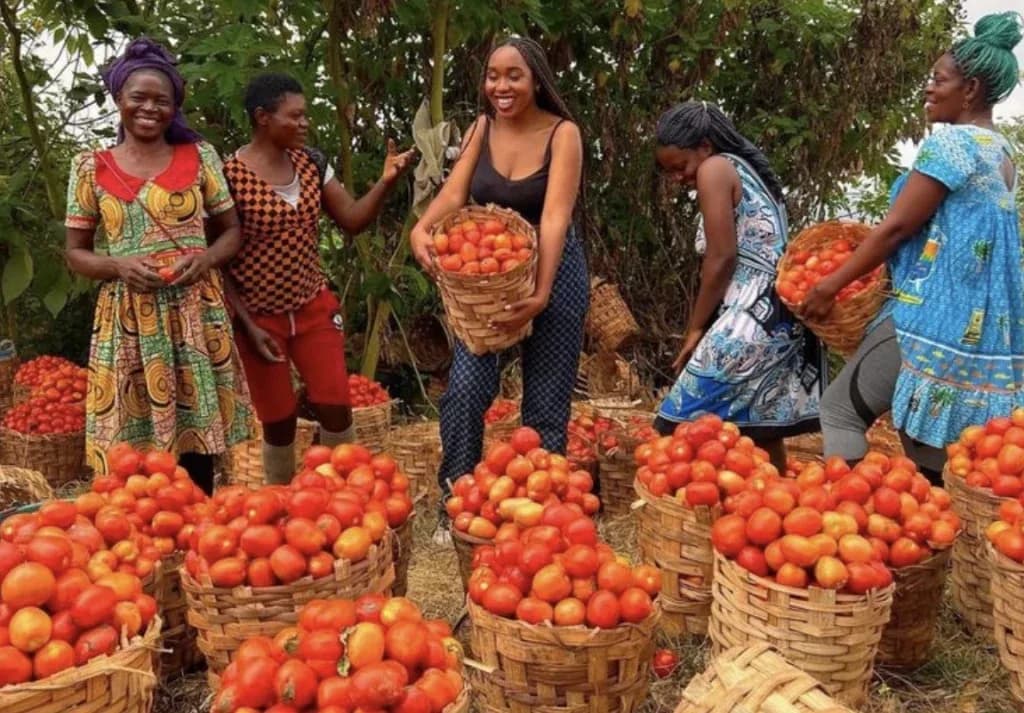
Women run some of the most inventive, street-smart, and quietly powerful businesses on the continent built in markets, salons, clinics, farms, kitchens, boardrooms, border towns, and online storefronts that never sleep. These aren’t “inspiring stories” designed for panels and hashtags; they’re real enterprises moving money, moving product, and moving people’s lives forward. In 2026, the
Scaling Female-Led Businesses and Women’s Entrepreneurship in 2026
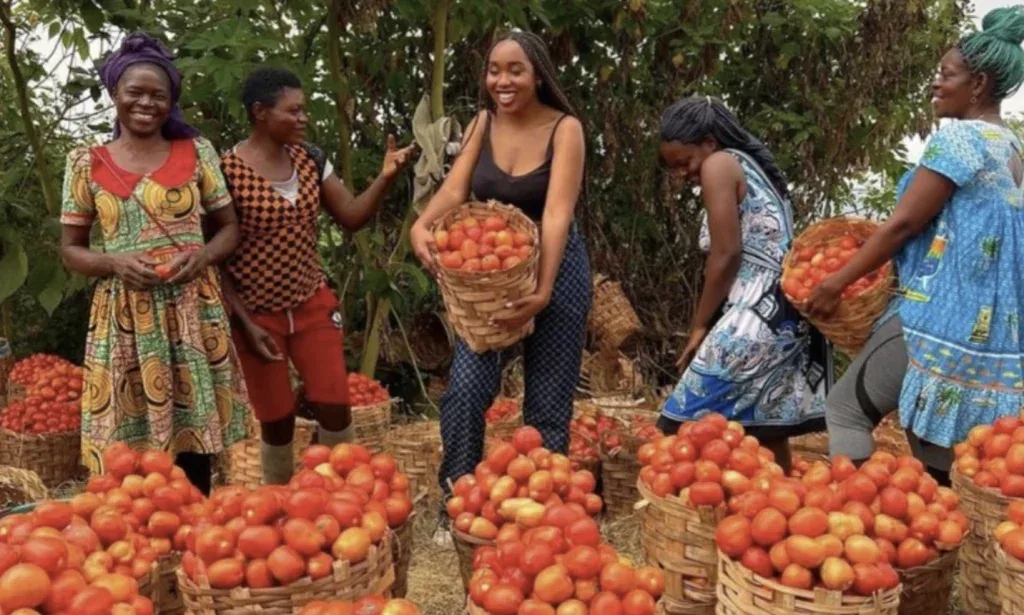
Women run some of the most inventive, street-smart, and quietly powerful businesses on the continent built in markets, salons, clinics, farms, kitchens, boardrooms, border towns, and online storefronts that never sleep. These aren’t “inspiring stories” designed for panels and hashtags; they’re real enterprises moving money, moving product, and moving people’s lives forward. In 2026, the winners will be the women who turn strong ideas into strong systems, where growth will be measured in unparalleled capacity and grit, more orders handled, more jobs created, more customers served, and more consistency under pressure.
Growth will come from systems, not stamina
A lot of women entrepreneurs already know how to hustle. What drains them is the constant switching: understanding demand, buying stock, delivering orders, handling staff issues, chasing payments, fixing mistakes, and still showing up online like everything is smooth. Hustle keeps a business alive, but it doesn’t multiply it, and it often comes at the cost of burnout, missed opportunities, and messy decision making.
The businesses that grow in 2026 will feel different inside. They’ll run on routines and systems: simple stock controls, clear pricing rules, and reliable reporting. Not complicated software just habits that reduce chaos, protect cash, and make growth possible without everything depending on one person’s energy and memory.
The founder who tracks profit per item will beat the founder who tracks likes. The one who can spot a slow-moving product line early will protect cash while others keep restocking what doesn’t sell. And the one who separates business money from household money will expand faster, because the business can finally breathe and decisions become sharper, cleaner, and easier to defend.
Distribution is the real flex
Africa doesn’t reward the best product alone. It rewards the product people can actually find. Customers don’t have time to hunt, follow up, or wait around, and when a business becomes unreliable, loyalty disappears quickly even if the product itself is excellent.
Women-led businesses are already building sharp distribution playbooks sometimes without calling it that. The woman selling hair products through a network of stylists. The caterer supplying offices every week. The farmer who understands which traders pay quickly and which ones waste time. The fashion brand that keeps a tight circle of resellers across three towns. That’s distribution power, built through relationships, consistency, and knowing what actually moves.
In 2026, the strongest women-led SMEs will push beyond single shopfronts and single platforms by building channels that keep them close to demand. That means using WhatsApp ordering, community agents, stockists, and partnerships with small retailers to stay visible and accessible. They’ll prioritise consistency the same product, the same quality, the same delivery time because customers remember who delivers and forget who only posts.
Contracts will become the scaling shortcut
One corporate deal can do what 500 individual customers can’t: stabilise revenue. Contracts create predictability, and predictability gives a business room to plan, hire, invest, and build capacity without relying on daily uncertainty.
Female-led businesses are already winning procurement opportunities supplying uniforms, cleaning services, catering, stationery, packaging, fresh produce, and specialised professional services. In 2026, more women will treat contracts like a growth strategy, not a lucky break, because contracts don’t just bring income, they bring structure and momentum.
That requires discipline: compliance documents ready, invoicing clean, delivery predictable, and quality controlled. The businesses that can supply at volume without drama will get called again. Procurement teams don’t fall in love with brand stories they stick with suppliers who make their jobs easier and reduce risk.
Funding will follow proof, not promises
In 2026, money will still be hard to access, but it will move faster toward businesses that can prove what they’ve built. Lenders, partners, and even corporate buyers are paying closer attention to performance, not potential, and women-led SMEs that keep clean records will find themselves in a stronger position. Repeat customer rates, monthly sales trends, cost breakdowns, stock turnover, and profit per channel will become the difference between “we’re doing well” and “here’s the evidence.”
The smartest women founders will also scale through flexible finance, not one big risky leap. Instead of waiting for a large loan that may never come, they will use tools that match how African SMEs actually operate, purchase-order funding to fulfil bigger contracts, supplier credit to protect cash flow, invoice discounting to unlock money tied up in delayed payments, and staged expansion that grows capacity step by step. This approach keeps the business moving without drowning it in debt, and it allows founders to expand based on real demand rather than pressure to look “big” too early.