Why is South Africa’s Zero-Rating Mobile Data Obligation Still Stuck in Neutral?
Key Points Summary Deadlines Loom – Little Action Taken South Africa’s major mobile network operators have just over four months left to meet a binding legal obligation that could meaningfully expand access to education, health and social services for millions of people. Yet, with the 15 January 2027 deadline fast approaching, only a handful of
Why is South Africa’s Zero-Rating Mobile Data Obligation Still Stuck in Neutral?
Key Points Summary
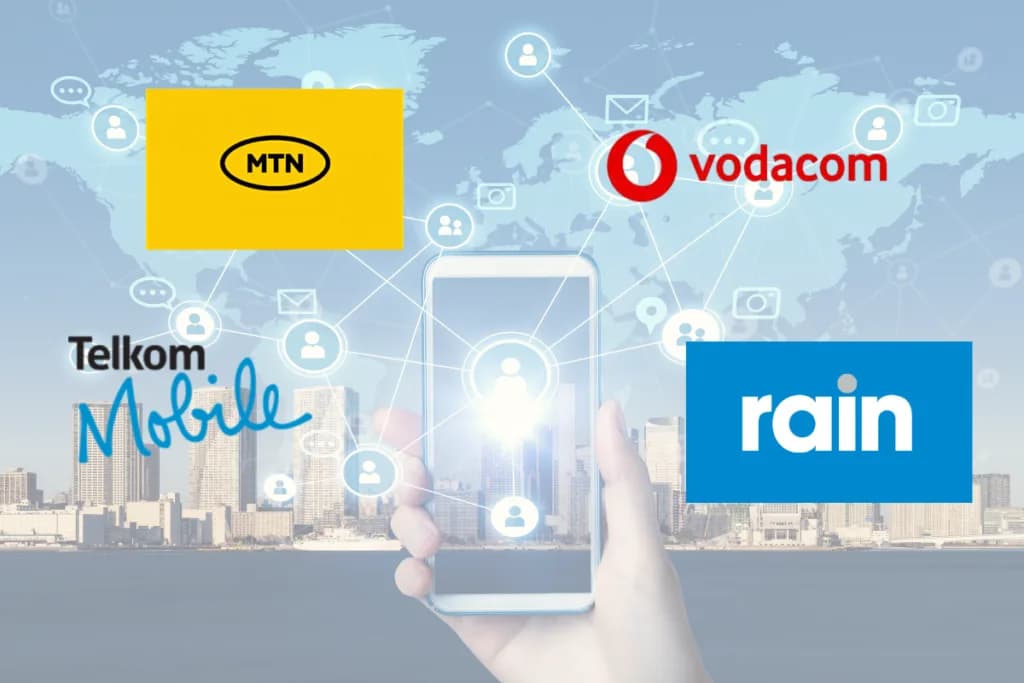
- South Africa’s major mobile operators (MTN, Vodacom, etc.) have until 15 January 2027 to zero-rate digital content from public benefit organisations (PBOs) as a legal condition of their 2022 spectrum licences.
- Progress has been slow: only about 15 organisations are zero-rated across the major networks, while Rain has done better (at least two dozen). DGMT’s Social Innovation Register has already processed more than 120 applications.
- The obligation is not a voluntary CSR — operators factored the cost into their spectrum bid prices.
- Biggest potential beneficiaries: Students and learners in poorer communities on prepaid data, early childhood practitioners, new mothers seeking health information, and young people looking for jobs and skills content.
- Key problems: Lack of clear communication and implementation plans from most operators, and limited clarity from ICASA on how it will monitor and enforce the obligation.
Deadlines Loom – Little Action Taken
South Africa’s major mobile network operators have just over four months left to meet a binding legal obligation that could meaningfully expand access to education, health and social services for millions of people. Yet, with the 15 January 2027 deadline fast approaching, only a handful of public benefit organisations have been zero-rated across the largest networks.
The requirement is not a voluntary corporate social responsibility gesture. It is a formal condition of the multi-billion-rand spectrum licences awarded by the Independent Communications Authority of South Africa (ICASA) in 2022. Operators factored the expected revenue impact into their bid prices. In return, they committed to making the digital content of qualifying public benefit organisations (PBOs) data-free for users.
So far, the results have been underwhelming. Rain has zero-rated the content of at least two dozen organisations. Across the major operators as a group, however, only about fifteen organisations have been zero-rated out of the thousands that may ultimately be eligible.
DG Murray Trust (DGMT), which has championed the issue for more than a decade, reports that its Social Innovation Register has already processed more than 120 applications. The infrastructure to scale exists. Engagement does not.
Who stands to benefit — and why it matters
In a country where almost every household has a mobile phone but data remains expensive for low-income users, zero-rating removes a critical barrier. The greatest impact would be felt by:
- Students and learners in poorer communities who rely almost exclusively on prepaid mobile data packages. For them, every megabyte spent on educational material is a trade-off against other essentials.
- Early childhood development practitioners and preschool teachers seeking training resources and support networks.
- New mothers looking for reliable information on breastfeeding, nutrition and child health.
- Young people trying to access job opportunities, skills content and social services.
When high-quality educational and health content is data-free, it becomes a practical tool for socio-economic mobility rather than a luxury. In communities where connectivity costs reinforce inequality, this is not a marginal improvement — it is a bridge.
Why progress has been so slow
DGMT’s Innovation Director, Busisiwe Kabane-Bailey, has been blunt: “We are deeply concerned that with the deadline just months away, we’ve had no meaningful communication from most mobile network operators, or from ICASA, about how zero-rating will be implemented, regulated and enforced.”
Operators have demonstrated they can implement zero-rating quickly when required — they did so under the Covid-19 disaster regulations. The systems exist. What is missing is urgency and transparency. Public trust in the networks remains fragile after years of complaints about data pricing and recent legal challenges over data expiry rules. Zero-rating offers a clear opportunity to rebuild some of that trust at relatively modest cost.
ICASA, for its part, has published the application process for PBOs and set the overall deadline, but has not yet clarified how it will monitor compliance, measure success, or enforce the licence condition once 15 January 2027 arrives. Without clear accountability mechanisms, the obligation risks becoming another well-intentioned policy that delivers limited real-world impact.
What needs to happen next
Three practical steps would turn this obligation into a meaningful contribution:
- Operators must publish implementation plans before the end of 2026, including timelines, technical approach, and how they will handle the growing list of vetted PBOs.
- ICASA needs to set out its enforcement approach — including monitoring, reporting requirements, and consequences for non-compliance — so that the licence condition carries real weight.
- Wider use of existing facilitation tools, such as DGMT’s Social Innovation Register, would reduce duplication and speed up the pipeline of eligible organisations.
The technical and administrative foundations are largely in place. The remaining barrier is will. With only months left, South Africa has a narrow window to convert a spectrum licence condition into tangible educational and health gains for the communities that need them most. Whether that window is used will say a great deal about how seriously both the operators and the regulator take the digital inclusion commitments they have already made.