Founder Fridays: Rawkraft Media
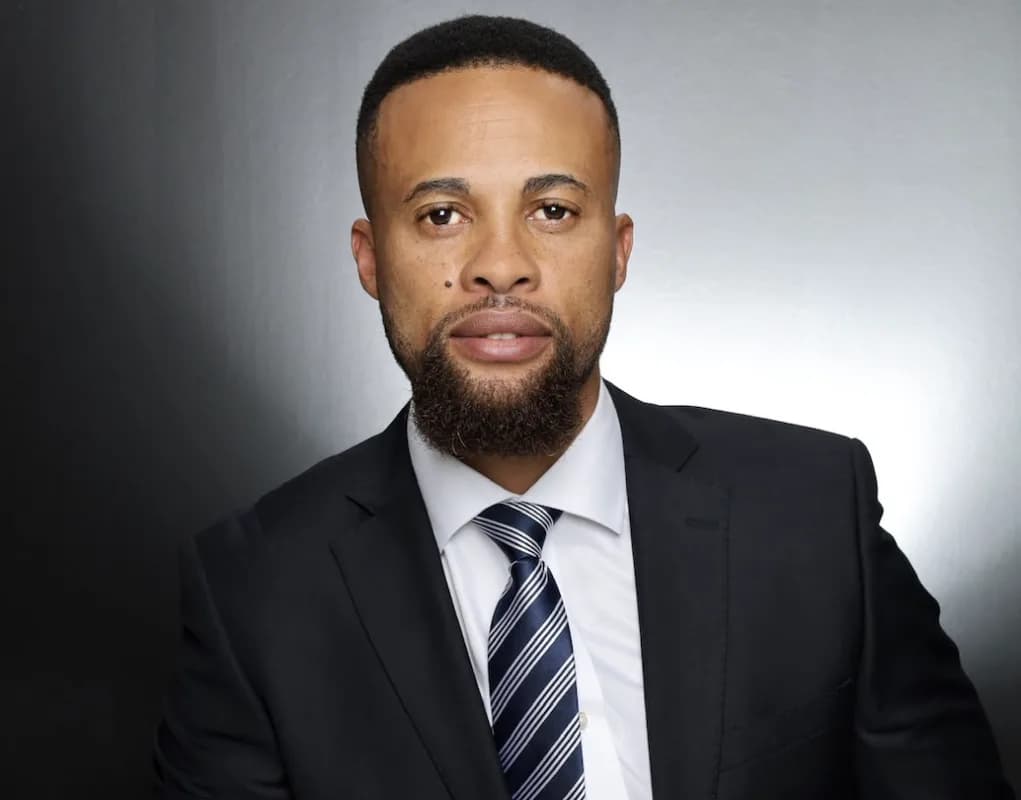
When you speak to Rofhiwa Tshiwawa, Co-Founder and Creative Director of Rawkraft Media, one thing becomes clear his work is built on persistence and a strong belief in owning the creative process. Rofhiwa Tshiwawa’s journey with Rawkraft Media began inside CNBC Africa and Forbes Africa under the ABN Group, where he worked alongside his co-founder,

Founder Fridays: Rawkraft Media
When you speak to Rofhiwa Tshiwawa, Co-Founder and Creative Director of Rawkraft Media, one thing becomes clear his work is built on persistence and a strong belief in owning the creative process. Rofhiwa Tshiwawa’s journey with Rawkraft Media began inside CNBC Africa and Forbes Africa under the ABN Group, where he worked alongside his co-founder, Calvin Ncube Mfundi, who came from a media sales background. That combination of creative and business experience shaped how they approached building the company.
“We just gravitated towards each other,” Rofhiwa reflects. “We were both passionate about media, and over time, we realised we could build something of our own.”
From Freelancers to a Structured Business
Rawkraft Media started out as informal collaborations and freelance work before being formally established in 2016. In the beginning, Rofhiwa envisioned a shared creative space where freelancers would come together and contribute their skills. As demand increased, that model became difficult to sustain, especially with the need for consistency and tighter delivery timelines.
He then made the decision to move toward a structured setup with full-time employees. That shift changed how the company operated. It introduced clearer accountability, improved coordination, and allowed Rawkraft to take on more complex work without compromising quality. More importantly, it ensured that the team could deliver consistently, which is critical in an industry where deadlines and standards carry equal weight.
Challenging Industry Norms
Getting into South Africa’s post-production space meant dealing with more than technical demands. Rofhiwa had to navigate an industry where established companies already held trust and influence, and where black-owned businesses often had to work harder to be taken seriously.
Rofhiwa had to navigate long-standing perceptions in South Africa’s post-production industry, where black-owned businesses often face additional barriers in an environment still shaped by historically white-owned companies. Rather than treating this as a fixed barrier, he focused on understanding where the gap came from. For him, trust wasn’t something that came automatically it had to be earned through consistent delivery.
“We had to understand why trust wasn’t there,” Rofhiwa explains. “Sometimes it’s historical, but sometimes it’s about experiences—people losing confidence due to inconsistent delivery.”
Rawkraft focused on getting the basics right quality, reliability, and consistency. Over time, that approach opened doors to broadcasters such as MultiChoice, SABC, and e.tv. These relationships played a major role in strengthening the company’s credibility and positioning it as a dependable post-production partner.
Learning Through Industry Partnerships
Working with large broadcasters exposed Rawkraft to strict deadlines, high expectations, and a constant demand for precision. These environments forced the team to sharpen how they plan, execute, and review each project.
“In many cases, we’re brought in when projects aren’t working,” Rofhiwa says. “That trust pushes us to consistently deliver at a higher level.”
Each project added to their experience and shaped how the company operates internally. Over time, this continuous cycle of learning and refinement has helped Rawkraft improve its systems and maintain a strong standard of delivery across different types of work.
Scaling with Intention
As Rawkraft grows, Rofhiwa is intentional about how and where the company expands. Growth, for him, is not about size alone, but about relevance and positioning within a changing industry.
A key focus is younger audiences, who are driving much of the content consumption across Africa. This shift is influencing the kind of work Rawkraft takes on, as well as how it approaches production and storytelling.
Looking ahead, Rofhiwa sees an opportunity to move beyond production and explore content distribution. A streaming platform forms part of that long-term thinking, with the goal of improving access for African creators.
“There’s a lot of talent and ideas across the continent,” Rofhiwa says. “The challenge is access to platforms.”
Innovation, AI, and Efficiency
Rofhiwa has also begun integrating artificial intelligence into parts of the workflow, not to replace creative input, but to support efficiency where it matters most. Tasks that would typically take a lot of time like sourcing archival material or assisting with music scoring can now be handled more efficiently.
This is particularly useful in documentary production, where locating the right material can be time-consuming and resource-heavy. By streamlining these processes, the team can focus more on storytelling while maintaining control over quality.
The result is a more efficient workflow that improves turnaround times without compromising the integrity of the final product.
Building for the African Market
His approach to growth is centred on collaboration across the continent, with Rawkraft building relationships with creatives and production companies in different regions rather than expanding in isolation. A key part of this direction is a commitment to inclusivity within the team, where a significant portion of the workforce is made up of women, reflecting a deliberate focus on gender representation across the company.
“We can’t do this alone,” he emphasises. “Each region brings something unique. If we combine those strengths, we can compete globally.”
This approach reflects a broader shift in African media, where collaboration is becoming more important than competition. By working together across borders, creative companies can build stronger systems and unlock opportunities that are difficult to achieve alone.
Lessons from the Journey and Advice for Entrepreneurs
For Rofhiwa, patience has been one of the most important lessons. The industry moves quickly, but building something that lasts requires time, discipline, and a willingness to learn along the way.
Rawkraft’s progress has come through years of adjusting, refining, and improving how the company works. Nothing has been rushed, and each stage has contributed to where the company is today.
“It took us time to get here,” he says. “You have to respect the process. You have to learn before you lead.”
“I will get there—not immediately, but definitely.”
This mindset has helped the company grow while staying grounded in its original purpose.
Read about other founders HERE