Terra Industries Teams Up With Miva to Train Nigeria's Future Drone Engineers
When Terra Industries announced fresh funding earlier this year, most of the attention focused on its investors and expansion plans. The company wants to increase drone manufacturing across Africa. Less attention was paid to another challenge: finding enough engineers to build those drones. The Nigerian defence technology startup has now partnered with Miva Open University
Terra Industries Teams Up With Miva to Train Nigeria's Future Drone Engineers
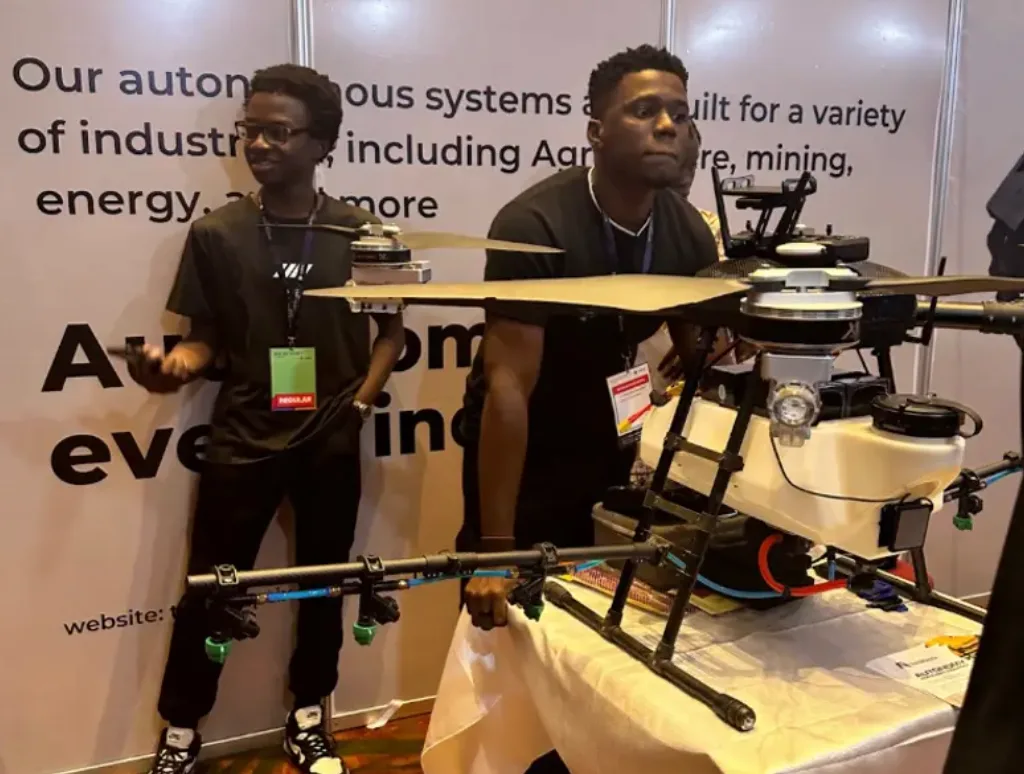
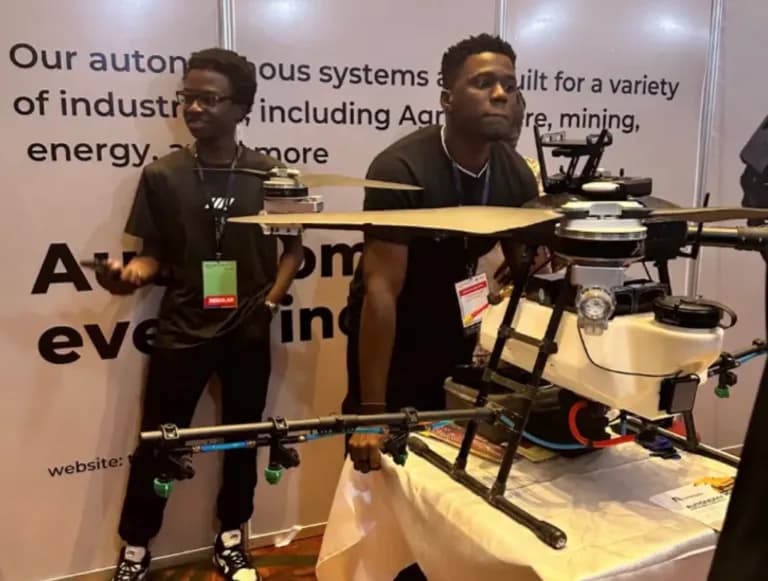
When Terra Industries announced fresh funding earlier this year, most of the attention focused on its investors and expansion plans. The company wants to increase drone manufacturing across Africa. Less attention was paid to another challenge: finding enough engineers to build those drones. The Nigerian defence technology startup has now partnered with Miva Open University to help address that problem. The two organisations will establish robotics and drone laboratories at Miva’s learning centres, starting with a pilot programme in Abuja. Students will learn to assemble, test and fly drones. Terra will also run technical workshops, train lecturers and recruit top-performing students for internships and full-time jobs. For Terra, the partnership is as much about hiring future engineers as it is about education.
Building a Workforce Close to Home
Terra has grown rapidly over the past year. The company operates what it says is Africa’s largest drone manufacturing facility in Abuja. It is also building another production plant in Ghana. Its autonomous systems are already protecting infrastructure across eight African countries. Scaling production, however, requires engineers with specialised skills. Those workers remain difficult to find. That approach reflects comments made earlier this year by CEO Nathan Nwachuku. He said African countries should rely less on imported security technology and invest more in building local expertise.
A Gap Between Graduates and Industry
Nigeria produces thousands of university graduates every year. Yet companies in advanced manufacturing still struggle to find people with practical experience. Drone development brings together software, electronics, mechanical engineering and manufacturing. Those skills are not always taught together in traditional degree programmes. The Miva partnership is designed to narrow that gap. Students will work with equipment used in the industry instead of relying only on classroom instruction. Terra will also train faculty members as the programme expands. Miva has been strengthening its technology programmes. After holding its first graduation ceremony in June, the university launched a bachelor’s degree in Artificial Intelligence. It also announced plans to introduce robotics and drone laboratories.
Not an Isolated Move
This is not Terra’s first investment in technical training. Earlier this year, the company signed a joint venture with the Defence Industries Corporation of Nigeria (DICON). The agreement covers local production of drones, robotics equipment and cybersecurity systems. It also includes training programmes for staff. In May, Terra committed NGN40 million to the South-East Maths Olympiad. The company also offered internships to winning students. Together, these initiatives show that Terra sees skills development as part of growing its business, not simply as a corporate social investment. The timing is also significant.