Walmart's Robotics Strategy: Competing with Amazon, One Forklift at a Time
In the ever-evolving landscape of warehouse robotics, the narrative often circles back to one key player: Amazon. With its game-changing acquisition of Kiva Systems over a decade ago, the online behemoth set a new standard for delivery services. Now, as other retail giants like Walmart strive to keep pace, they're adopting a more nuanced approach
Walmarts-Robotics-Strategy-Competing-with-Amazon-One-Forklift-at-a-Time
In the ever-evolving landscape of warehouse robotics, the narrative often circles back to one key player: Amazon. With its game-changing acquisition of Kiva Systems over a decade ago, the online behemoth set a new standard for delivery services. Now, as other retail giants like Walmart strive to keep pace, they’re adopting a more nuanced approach to automation, leveraging partnerships with diverse robotics firms.
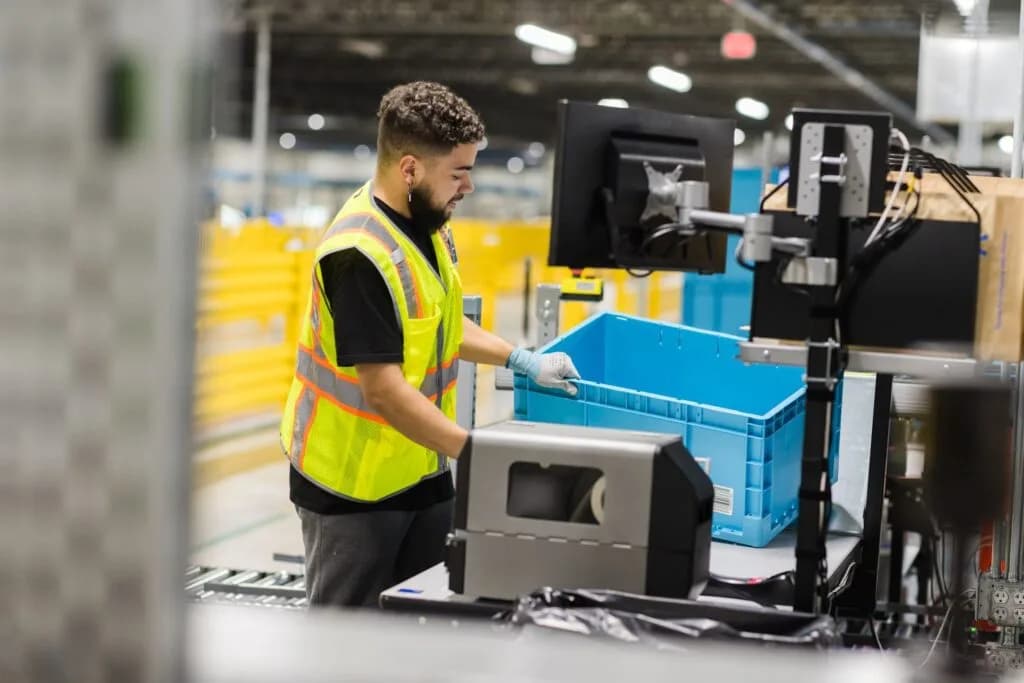
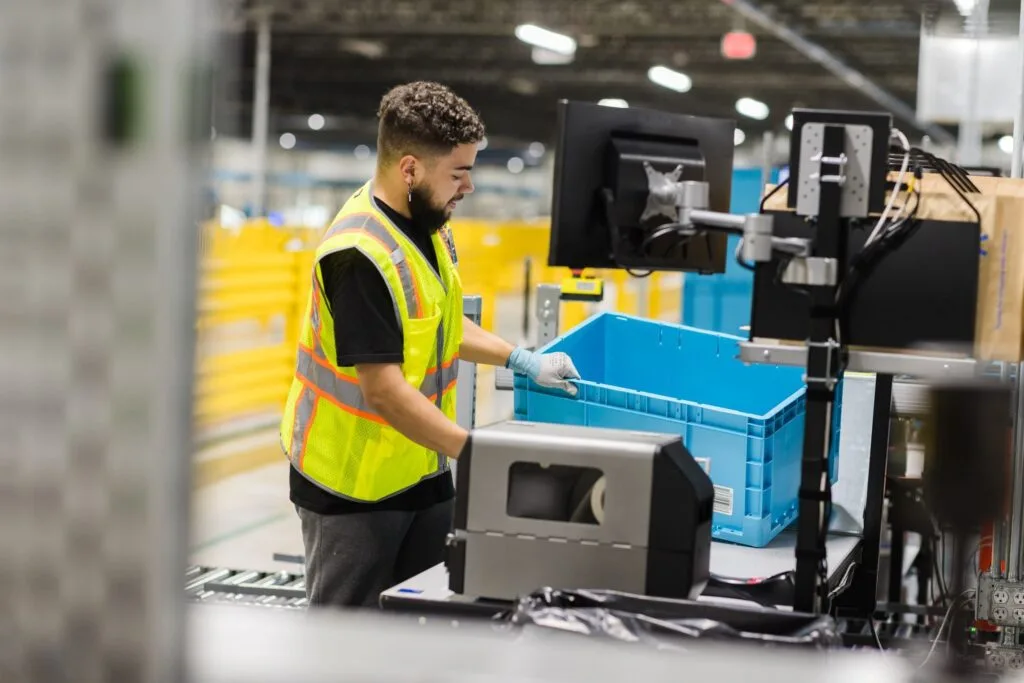
In a recent announcement, Walmart unveiled its latest collaboration with Fox Robotics, marking a significant step in its automation journey. The partnership brings 19 robotic forklifts from the Austin-based start-up to Walmart’s distribution centres, following a successful 16-month pilot at Distribution Centre 6020 in Florida.
Dubbed as Walmart’s “high-tech DC,” Distribution Centre 6020 serves as a testing ground for cutting-edge automation and technology initiatives before wider implementation across the retailer’s distribution and fulfilment network. Notably, this facility also played host to trials of Symbotic’s package sortation and retrieval technologies, demonstrating Walmart’s commitment to innovation in warehouse operations.
While the initial rollout targets four high-tech DCs, Walmart’s ambitious plans hint at broader adoption if the results prove promising. The shift towards robotic forklifts epitomizes a “brownfield” approach to automation, wherein existing warehouses are retrofitted with technology rather than constructing new facilities from scratch. While this strategy offers speed and cost-efficiency, potential trade-offs warrant consideration.
So, why the focus on automating forklifts? Beyond enhancing efficiency, automated systems introduce a crucial element of safety into warehouse operations. Forklift-related injuries are alarmingly common, with around 95 incidents reported daily in the U.S. The inherent risks of operating heavy machinery with blind spots and protruding metal prongs underscore the urgency of implementing safer, more streamlined solutions, especially in bustling warehouse environments.
By embracing robotics, Walmart not only aims to streamline operations and maintain competitiveness but also prioritizes the well-being of its workforce. As the retail landscape continues to evolve, strategic investments in automation underscore a commitment to efficiency, safety, and innovation in the rapidly evolving realm of warehousing and logistics.