Vodacom Cuts Trade Incentives for Retail Sales Staff
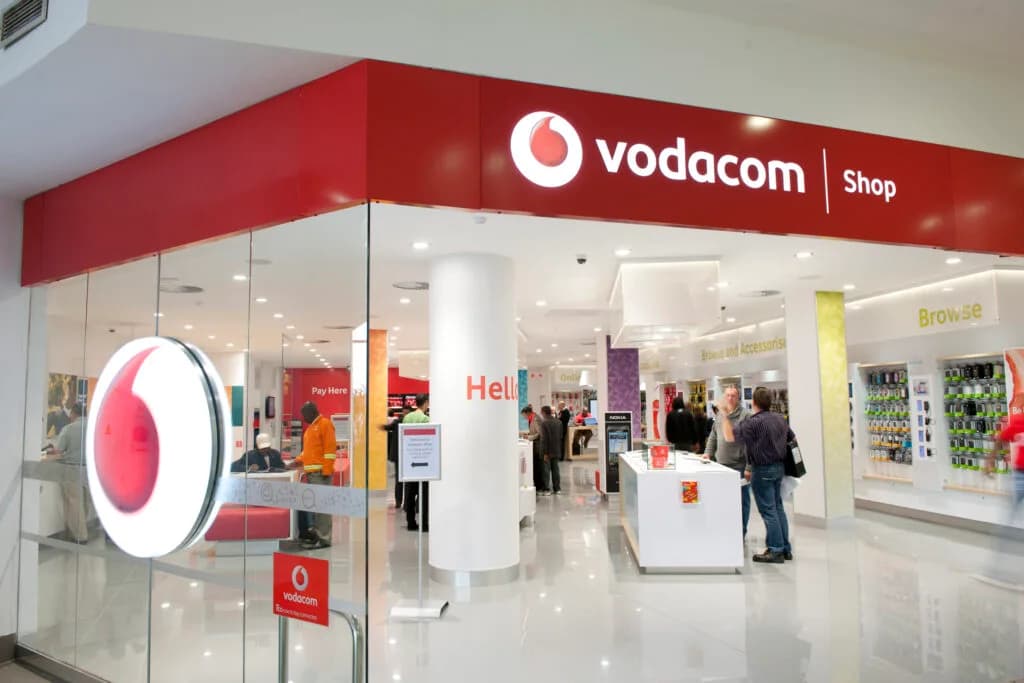
Mobile operator Vodacom, currently operates around 240 retail stores in South Africa, including company-owned and franchise stores like Vodacom4U and Vodacom Shop. Prior to 1 April 2025, (and no this is not an April Fools story) there were multiple incentives for Vodacom store sales staff, which were provided directly to salespeople, from suppliers, for selling
Vodacom Cuts Employee Sales Incentives
Mobile operator Vodacom, currently operates around 240 retail stores in South Africa, including company-owned and franchise stores like Vodacom4U and Vodacom Shop. Prior to 1 April 2025, (and no this is not an April Fools story) there were multiple incentives for Vodacom store sales staff, which were provided directly to salespeople, from suppliers, for selling their products.
While exact amounts earned by staff varied, by store size and location, Business Tech Africa (BTA) has established that often sales staff were earning anything from around R7,000 (ZAR) to as much as over R20,000 per month, depending on what products they sold and which brands were running special incentives in the month.
These were often incentives from challenger brands to the top mobile phone brands, as they sought to grow market share. These deals were negotiated directly with the franchise owners and established a great way for stores to improve sales volumes and incentivise staff.
Seemingly, a great win-win combination of growing product sales, which in turn increased revenue that in turn, provided everyone with additional income: the sales staff, store managers, franchise owners as well as for Vodacom.
This practice was brought to a sudden halt, without any discussions with staff, on 1 April 2025, and was communicated by Vodacom via a savage mandate issued to all franchises and stores. The mandate stated, that as of 1 April 2025, all Original Equipment Manufacturer (OEM) incentives were to be stopped with immediate effect.
Non-Negotiable Position Taken – But Why?
The seriousness of this mandate was highlighted in, that it came with a specific and severe warning to any of the OEM’s stores or franchises who failed to comply. According to an internal communication, seen by Business Tech Africa, the directive was non-negotiable. It furthermore came with a warning that should any OEM not comply, that they would be removed off the Vodacom vendors list with severe financial penalties applied to the offending parties.
The story gets more interesting when one looks at the overall performance of South Africa’s largest mobile operator. Vodacom, which has Vodaphone as it’s major shareholder, have just released their financial results for their financial year ending 31 March, earlier this week, where they reported a marginal rise in annual earnings. Headline earnings per share rose by a slim 1.3% to 857 cents for the year, and only due to a stronger second-half performance.
Taking the timing of the announcement of the removal of the OEM incentives and the year end results, it provides an intriguing scenario, which deserves an answer. Has Vodacom cut incentives to provide additional profit margins for the company in its new financial year due to shareholder pressure? Or alternatively is Vodacom unhappy about volumes of OEM products it sells that has higher margins, which were being eroded by growing sales of new products driven by the previous OEM incentives?
Cynical Move
Whatever the business perspective is, it appears to be a cynical move by the company that has in essence slashed a large slice of their sales staff earnings by this unprecedented action.
The threats for non-compliance makes it highly likely that the company must be seeing an upside benefit from the action taken, as it defies comprehension, as to how cutting incentives from low-paid sales staff would benefit the business?
Number of People Affected Estimated
In terms of how many people have been affected by this, it is not certain as the company does not provide details of staffing numbers publicly.
However, based on industry standards in the telecom retail sector, each store is likely to employ between 5–15 sales staff, depending on its size and location (urban hubs like Johannesburg, Cape Town, or Durban tend to have larger teams). A conservative estimate suggests 1,200–3,600 sales staff nationwide across Vodacom’s 240 retail outlets nationally with a median of around 2400 people affected.
Taking an average of R10,000 in OEM incentives per salesperson, over 2400 sales staff and over a year period, this would equate to a not insignificant amount of around R288 million (ZAR). Is this money now heading for the Vodacom corporate coffers? Even if the amount involved is half of this estimate, it is no small pickings, even for a large corporate entity.
Taking From the Poor to Pay the Shareholders?
The most remarkable factor of the situation, is that the sales staff at retail stores, are for the most part earning barely above minimum wages, with many of these staff totally reliant on their incentives to put food on the table for their families.
Speaking confidentially, staff spoke to BTA of how they were going to be losing more than half their earnings in a month and that it was unsure if there was going to be any new incentives provided to provide additional earning opportunities.
The bare bones of the reality that some of these employees live with now, is that they will be forced to look for alternative employment, but this is extremely hard to find, particularly for younger entry level jobs and with unemployment sitting at over 50% in the under 35 year old age group in South Africa.
These staff also work long hours with most working more than eight hours a day, six days a week.
Comment from Vodacom Vague and Lacking Detail
Business tech Africa reached out to Vodacom and asked for comment on the following:
- The scope of this change (e.g., does it apply to all franchise stores, specific regions, or certain suppliers?).
- The motivations or business reasons behind this decision (e.g., cost management, regulatory compliance, or a shift to a new compensation model).
- How Vodacom is supporting franchise sales staff to ensure a smooth transition under the new structure.
- Confirmation of the working hours for staff at their stores
It took Vodacom six days to provide Business Tech Africa with the following response:
“We are contractually precluded from discussing and sharing most of the details requested below, (in BTA’s enquiry) however what we can say is that Vodacom has a sales Incentive Programme for its channels and recently changed the incentive platform utilised in certain channels”.