US Congress Moves to Ban Chinese Drone Manufacturer DJI Amid National Security Concerns
The US Congress is taking decisive action to ban Chinese drone manufacturer DJI from conducting further business operations in the country, citing significant national security concerns. DJI, renowned for producing a wide range of drones catering to various sectors, including consumer use, delivery services, and agriculture, has garnered popularity among videographers and content creators worldwide.
US-Congress-Moves-to-Ban-Chinese-Drone-Manufacturer-DJI-Amid-National-Security-Concerns
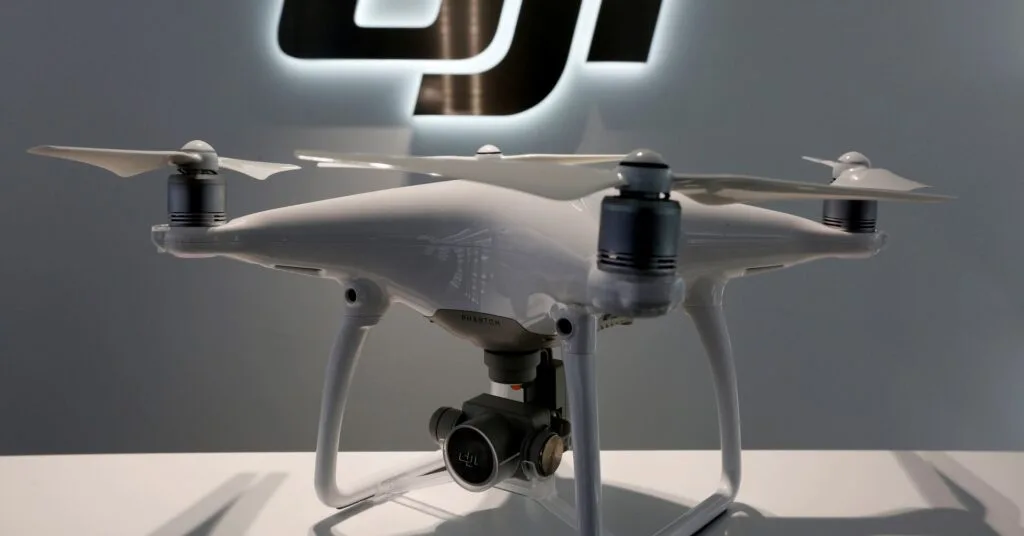
The US Congress is taking decisive action to ban Chinese drone manufacturer DJI from conducting further business operations in the country, citing significant national security concerns.
DJI, renowned for producing a wide range of drones catering to various sectors, including consumer use, delivery services, and agriculture, has garnered popularity among videographers and content creators worldwide.
Despite the absence of any inherent harm associated with DJI’s drones, Congress remains deeply sceptical, particularly due to the ownership stake held by Chinese state-owned enterprises, amounting to 6% of the company.
New York Senator Elise Stefanik expressed grave concerns, labelling DJI as an “unacceptable national security risk” and calling for the removal of drones manufactured by “Communist China” from American soil.
If the Federal Communications Commission (FCC) moves to include DJI on its blocklist and bipartisan legislation passes, the company will face severe restrictions on conducting business in the US. Such measures would significantly dent DJI’s share of the commercial drone market, which stood at 58% as of 2022, according to Tom’s Hardware.
Stefanik had previously introduced the Countering CCP Drones Act in 2022, asserting that American government agencies had identified DJI drones as potential sources of intelligence gathering on critical US infrastructure for China.
In response to these allegations, DJI issued a blog post titled “Get The Facts: Countering CCP Drones Act,” vehemently refuting claims that its drones could collect flight data, photos, or videos without user consent. The company highlighted its privacy features, emphasizing that users have control over data sharing and can even operate the drone while their phone is in flight mode, ensuring complete disconnection from the internet, akin to an air-gapped computer.
Although not designed for combat, DJI’s drones have found utility in various conflict zones, including Russia’s war against Ukraine, where they were employed by both sides. The New York Times reported the popularity of DJI Mavic drones during the early stages of the conflict, attributed to their robust radio connectivity and user-friendly controls.
However, allegations of human rights abuses associated with the use of DJI drones prompted the company to take action, including closing flagship stores in affected countries and suspending direct sales.
As the debate over DJI’s role in national security intensifies, the outcome of congressional deliberations will undoubtedly have far-reaching implications for the future of drone technology and international relations.