Today Is Tax Freedom Day in South Africa – 16 May 2025
As the South African minister of finance, Enoch Godongwana, currently mulls over his third attempt to create a passable national budget, he could do well to take into cognisance why there is such an outcry in the country regarding the high level of taxes. The Free Market Foundation (FMF) has announced today, 16 May 2025,
Today Is Tax Freedom Day in South Africa – 16 May 2025
As the South African minister of finance, Enoch Godongwana, currently mulls over his third attempt to create a passable national budget, he could do well to take into cognisance why there is such an outcry in the country regarding the high level of taxes.
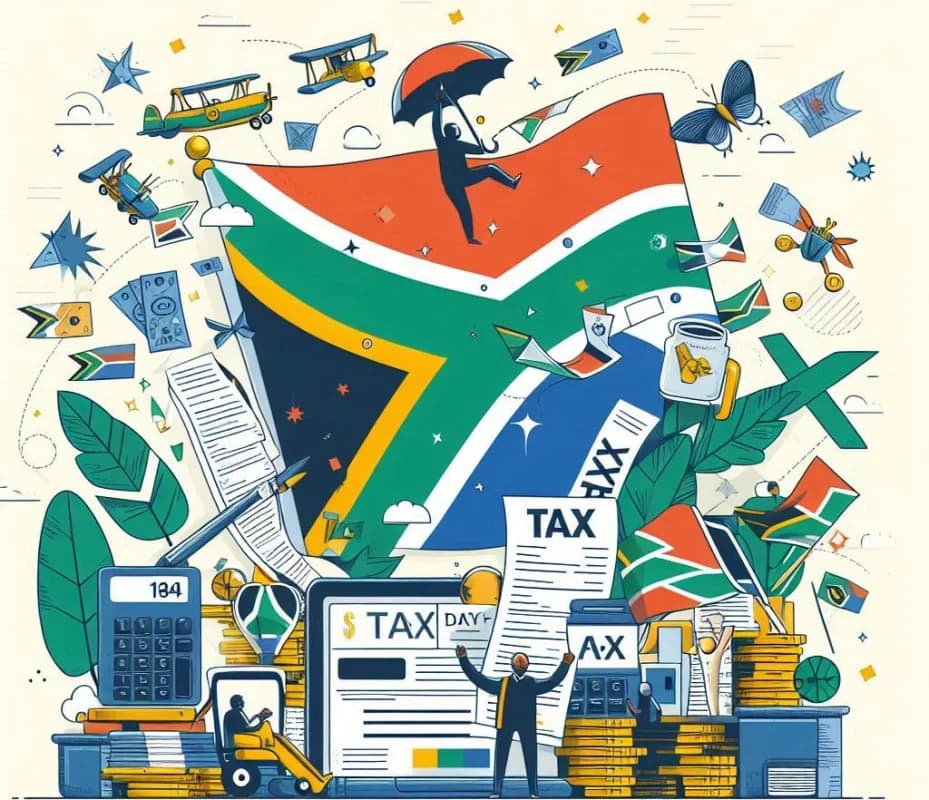
The Free Market Foundation (FMF) has announced today, 16 May 2025, as this year’s Tax Freedom Day. This is the day when hardworking South Africans finally stop working to pay their taxes and start earning for themselves.
Tax Freedom Day, this year implies that the average South African has laboured for 136 days – over a third of the year, simply to fund government spending.
The FMF has marked this day since 1997 to show the extent of the current tax burden carried by ordinary taxpayers.
Making this an even worse scenario for most communities, is that despite the increase in taxes every year, the actual return on this investment by tax payers has become worse.
Currently, the disrepair to infrastructure, roads, and transport, and the poor state of the healthcare and national education services, as well as rapidly increasing crime rates due to poor policing, make living conditions for most South Africans expensive and increasingly unsafe.
Tax Burden in South Africa Growing
According to FMF Senior Associate Prof Richard J Grant of Cumberland University, Tennessee, South Africa’s tax burden has climbed to nearly 37% of GDP, up from 30% in 1995 when Tax Freedom Day fell on 23 April.
“Every rand you earn until mid-May goes to taxes – whether it’s income tax, VAT, or fuel levies – before you can spend on your family, home, or dreams. Taxes don’t just take money; they shrink opportunities. Taxing activities like earning or buying reduces jobs and drives up prices, hitting workers and small businesses hardest,” argues Grant
Economic Freedom at risk
The FMF’s Liberty First (LibertyFirst.co.za) initiative, launched to champion economic freedom, found that South Africa’s international economic freedom ranking has plummeted since 1994, and advocates for free markets, secure property rights, and less government interference.
“Imagine a country where your earnings stay in your pocket longer, where entrepreneurs can create jobs without red tape, and where prosperity lifts everyone. That’s the FMF’s vision,” says David Ansara, Chief Executive Officer of the FMF.
“Every year, Tax Freedom Day reminds us how much of our sweat and sacrifice goes to the state,” adds FMF Deputy Head of Policy Dr Morné Malan. “Through Liberty First, we’re advocating for policies that let you keep more of what you earn and build a brighter future.”
The FMF opposes wasteful spending, like bloated state-owned enterprises that continue to drain hundreds of billions, and ideologically driven taxes that chase away investors. According to the FMF, South Africa needs policies that grow wealth, not tax it away.
Jobs First Policy needs to become a priority
Rather than adopting a business-friendly outlook in its policies and budget allocations, the current regime seems hell-bent on introducing more and more economic policies that are literally driving away investments and causing companies to close their doors.
Skilled labour is leaving the country in droves, despite the SA president’s accusations recently that those who leave the country are cowards, and that true South Africans would stay and fix things.
It is a rich comment coming from a government that seems to only exist to line its own pockets, with little concern for the realities faced daily by most citizens in the country.
The unemployment rate in the country just jumped again last month, with the latest figure sitting at 32,9%, it’s highest level ever.
What the country needs desperately now is an about-turn from damaging policies and political rhetoric and a more functional and efficient government that focuses on reducing waste and corruption and prioritises building an environment where businesses and jobs can be created, by the more than willing people of the country.
For a brief explainer video on Tax Freedom Day, click here