The Rise and Challenges of the African Data Centre Industry
The global data centre industry has emerged as the foundation for the next digital revolution, facilitating the storage, processing, and management of vast amounts of data that is collected at almost every turn today. As businesses and individuals increasingly adopt more advanced technologies such as Artificial Intelligence, Machine Learning, the Internet of Things (IoT), cloud-based
The Rise and Challenges of the African Data Centre Industry
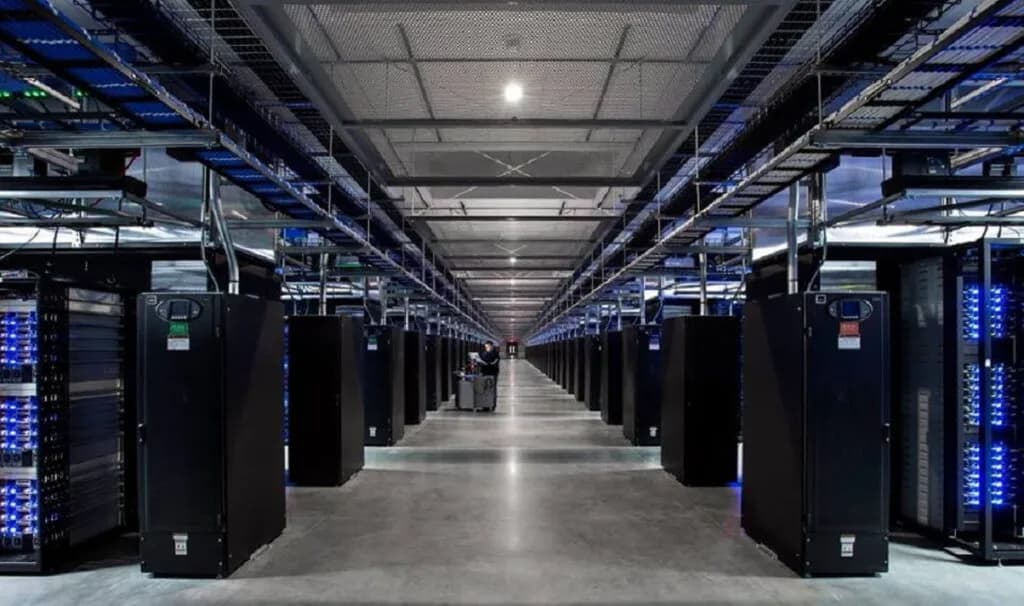
The global data centre industry has emerged as the foundation for the next digital revolution, facilitating the storage, processing, and management of vast amounts of data that is collected at almost every turn today.
As businesses and individuals increasingly adopt more advanced technologies such as Artificial Intelligence, Machine Learning, the Internet of Things (IoT), cloud-based solutions and edge computing, there is an ever-growing demand for robust and scalable data centres.
Unprecedented Growth
Over the past decade, the global data centre industry has witnessed unprecedented growth. Valued at USD93.7 billion in 2023, the market is projected to maintain a strong growth trajectory with a CAGR of approximately 22% from 2018 to 2025.
As digital transformation becomes a strategic imperative across various sectors, the need for secure, scalable, and reliable data storage and processing solutions has and will continue to mushroom.
While concerns about data privacy, data nationalism and data localization requirements further accelerate digital transformation initiatives, driving demand for local data centres, alongside the need for clear regulations and ethical use of data.
Africa Behind the Global Curve but Growing
In Africa, the industry, though still in its infancy, is seeing rapid growth and is evolving, propelled by the continent’s growing digital economy and its ability to leapfrog basic services through technological innovation.

The increasing access to the internet and data usage, primarily via mobile phones, is fuelling a digital revolution, positioning Africa as the next frontier of the global data centre industry.
“We continue seeing strong demand fundamentals that favour Africa as a destination for data centres” says Linda Oniwe, Vice President for Technology, Media and Telecommunication at Standard Bank. “Growing interest from the major global cloud service providers such as AWS, Google Cloud and Microsoft, along with content delivery network providers over the last few years continues to drive demand for data centre infrastructure”.
Enterprise demand from governments and private corporate enterprises who are migrating their servers to third-party leased space, as well as demand from connectivity providers are also significantly increasing demand.
Key Investments Encouraging
Many global, Pan-African, and local data centre operators are recognizing this potential and are now investing in building robust data centre ecosystems to meet the growing demand for digital services.
As an example, Equinix which has invested USD160 million into its first facility in South Africa will offer 1 860m2 of rack space with 4MW of IT load. Equinix has also acquired MainOne, a West African data center provider.
This acquisition allowed Equinix to expand its presence in Africa and leverage MainOne’s established infrastructure to strengthen its position in the region. Africa Data Centres, one of the largest pan African operators on the continent, has various facilities in Johannesburg, Cape Town, Lagos, and Nairobi and continues to have a strong pipeline of expansion sites.
Digital Realty, another key player in the global data center industry, finalized a deal to acquire a majority stake in Teraco, an African data center provider with multiple facilities across South Africa. Private equity firms have likewise been actively involved in data centre investments across Africa.
Other notable names include Actis and Helios Investment Partners, who have invested in several data center projects across the continent.
Challenges Restricting Development Scale
However, the region faces challenges due to insufficient infrastructure investment, high temperatures requiring advanced cooling systems and late adoption, resulting in a disproportionate capacity gap.
The African data centre colocation market also remains highly concentrated in a few countries, namely South Africa, Egypt, Nigeria, and Kenya representing majority of the available white space.
South Africa is the largest market in Africa, with approximately 300MW of live supply and accounting for around 70% of the continent’s IT load.
South Africa, with its advanced telecommunications infrastructure, strategic geographic location, and robust regulatory environment, stands as a prime destination for data centre investments in Africa, serving as a hub for the region.
The country provides favorable land prices (compared to other countries on the continent and in developed markets), connectivity and infrastructure making it an attractive choice for hyper scale tenants expanding their operations across the continent, therefore driving demand for data centre infrastructure in country.
Despite this potential, several country specific challenges could inhibit growth. These include energy supply issues and costs, other environmental concerns such as cooling and water consumption, security concerns including crime, the construction mafia and cybersecurity, and a shortage of skilled labour.
Africa Needs More Infrastructure Investments
International and local data centre operators continue to express strong interest in investing in Africa, particularly South Africa, with demand remaining robust. However, establishing strategic public-private partnerships is crucial for fostering industry growth and addressing current challenges.
These initiatives may include investments in renewable energy sources which can support both a reduction in power costs and environmental impact of these facilities, enhanced security measures deployed to building sites as well as innovation and skills development by educational institutions.
The demand for cloud-computing and data centres in Africa plays a crucial role in driving digital transformation. Businesses benefit from increased processing speeds, reduced latency, and enhanced reliability, leading to improved operational efficiency and contributing to the digital success of organisations, ultimately resulting in improved service delivery and enhanced user experiences.