The Power of Frugal Innovation: How African Startups Solve Big Problems with Limited Resources
In Africa, resources available to start-up businesses are often scarce, while challenges are immense. This has cultivated a unique breed of entrepreneurs on the continent who have redefined innovation. Frugal innovation—creating high-impact solutions with minimal resources—is not just a strategy but a necessity born from adversity. African startups are leveraging this approach to tackle pressing
The Power of Frugal Innovation: How African Startups Solve Big Problems with Limited Resources
In Africa, resources available to start-up businesses are often scarce, while challenges are immense. This has cultivated a unique breed of entrepreneurs on the continent who have redefined innovation.
Frugal innovation—creating high-impact solutions with minimal resources—is not just a strategy but a necessity born from adversity. African startups are leveraging this approach to tackle pressing issues like healthcare access, financial inclusion, and transportation, proving that ingenuity can triumph over constraints.
For startup entrepreneurs facing their own hurdles, these stories of resilience and creativity serve as a powerful reminder: with determination and a clever mindset, big problems can be solved with little.
Below are four inspiring examples of African startups that have turned limitations into opportunities, achieving remarkable success.
M-Pesa: Revolutionizing Financial Inclusion in Kenya
In 2007, Kenya faced a significant challenge: millions lacked access to traditional banking, leaving them excluded from financial systems. Enter M-Pesa, a mobile-based money transfer service launched by Safaricom.
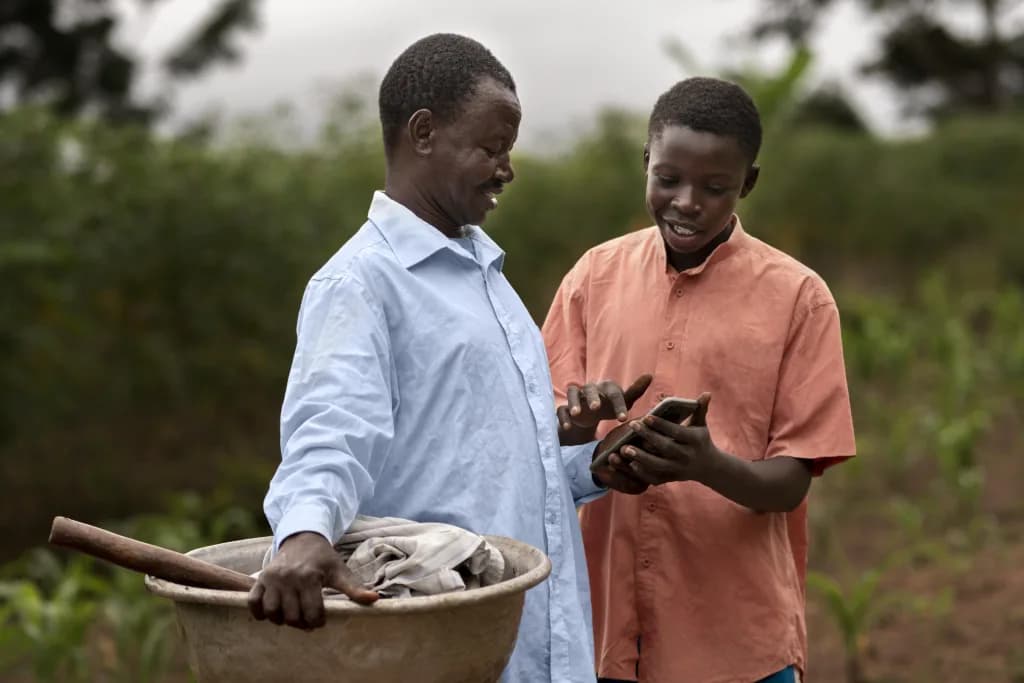
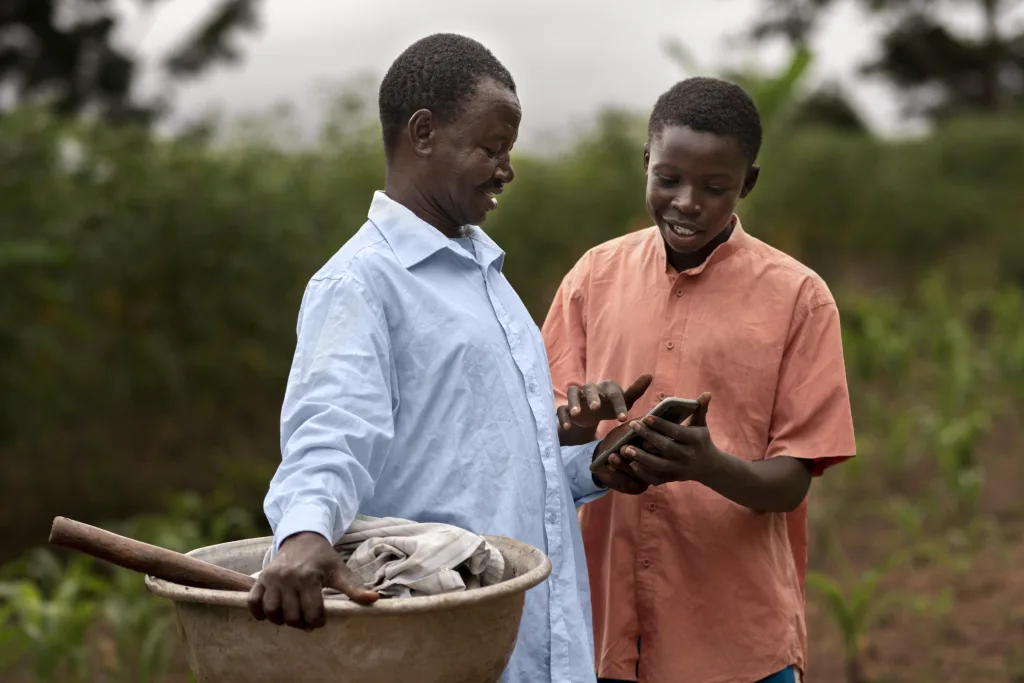
With minimal infrastructure—just mobile phones and a network of local agents—M-Pesa allowed users to send and receive money, pay bills, and access micro-financing via SMS. This frugal solution didn’t require expensive bank branches or complex technology, relying instead on widely available mobile phones.
By 2023, M-Pesa had grown to over 50 million active users across seven countries, transforming lives by enabling small businesses, empowering women, and creating thousands of jobs. For entrepreneurs, M-Pesa’s success underscores the power of leveraging existing technology to address unmet needs, proving that simplicity can scale.
Healthtracka: Bringing Healthcare to Nigerian Homes
Nigeria’s healthcare system struggles with massively overcrowded clinics and long wait times, particularly for basic diagnostics. This trend has been around for decades with seemingly little progress made in making healthcare easily available.
Healthtracka, a Lagos-based startup founded in 2021, tackled this problem head-on by offering at-home lab testing. Using a lean model, Healthtracka connects users with healthcare professionals who collect samples at home, delivering results digitally.
The startup operates with minimal overheads, relying on partnerships with local labs and a simple digital platform.
Once again a frugal approach making sensible, easy to use and affordable healthcare accessible, especially for busy or remote individuals. By 2024, Healthtracka had served thousands, reducing the burden on clinics and improving health outcomes.
For startups facing resource constraints, Healthtracka’s story shows how partnerships and digital tools can extend reach without the need for large investments.
Wakabi: Solving Last-Mile Transport in Uganda
In rural Uganda, transporting goods and people is a logistical nightmare due mostly to poor infrastructure and limited smartphone penetration. Wakabi, a Ugandan startup launched in 2018, addressed this with a frugal ride-sharing solution for rural communities.
Using basic SMS technology, (rural areas often lack decent connectivity in Uganda), Wakabi connects users with local boda-boda (motorbike) drivers to transport farm produce or passengers.
Instead of building new systems, Wakabi optimized the existing boda-boda network, making it efficient without requiring costly tech or broadband. By 2023, Wakabi had empowered thousands of drivers and farmers, boosting rural economies.
Safe Hands Kenya: Tackling Hygiene in Crisis
During the COVID-19 pandemic, Kenya’s informal settlements faced a hygiene crisis due to limited access to sanitizers and masks. Safe Hands Kenya, formed in 2020 by a coalition of tech firms and community groups, addressed this with a very cost effective approach.
They repurposed existing supply chains and digital platforms to distribute affordable sanitizers, soaps, and masks to vulnerable communities. By partnering with companies like Haco Industries and leveraging local manufacturing, they kept costs low while ensuring accessibility.
Within months, Safe Hands Kenya reached thousands in densely populated areas, reducing infection risks. This startup shows how collaboration and quick adaptation can turn scarcity into opportunity.
Lessons for Entrepreneurs
These startups, have all demonstrated that frugal innovation thrives on ingenuity, not wealth. They succeeded by deeply understanding local needs, leveraging existing resources like mobile phones or community networks, and prioritizing affordability.
For entrepreneurs facing challenges, the takeaway is clear: constraints are not barriers but catalysts for creativity. When resources are limited, dig deep into your environment—use available tools, collaborate with others, and focus on scalable, simple solutions. As Bright Simons, a Ghanaian entrepreneur, noted, governments can help by stepping back and letting innovators tackle “moonshot” problems, but it’s the entrepreneurs’ grit that drives change.
Africa’s frugal innovators show that you don’t need vast funding or cutting-edge tech to make a difference. Whether it’s banking the unbanked, delivering healthcare, improving transport, or addressing a crisis, these startups prove that small resources, paired with big ideas, can move mountains. For every entrepreneur staring down a hurdle, let these stories inspire you to rethink, repurpose, and persevere. Your next breakthrough might just come from doing more with less.