Smartphone price hikes loom for Nigerian consumers
The days of buying a budget smartphone without worrying about the price may be ending. Research firm Omdia says smartphone prices in Nigeria could rise by up to 30% before the end of the year. Manufacturers are facing higher costs for memory chips and other components. For a market built on affordability, that presents a
Smartphone price hikes loom for Nigerian consumers
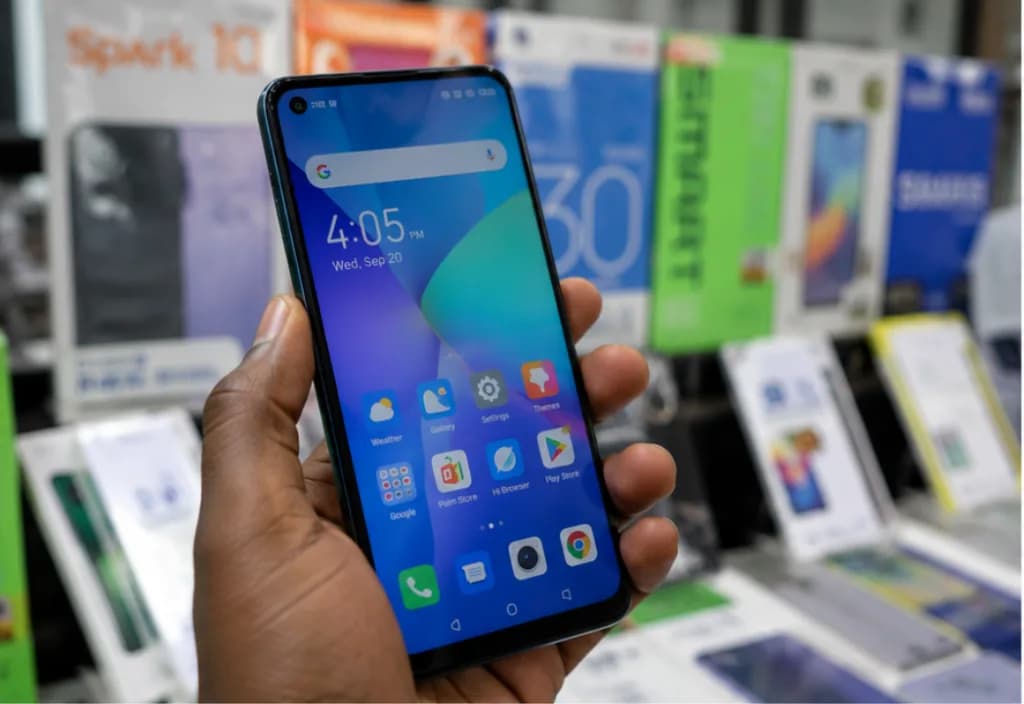
The days of buying a budget smartphone without worrying about the price may be ending. Research firm Omdia says smartphone prices in Nigeria could rise by up to 30% before the end of the year. Manufacturers are facing higher costs for memory chips and other components. For a market built on affordability, that presents a challenge. Most smartphones in Nigeria cost less than $150, according to Omdia. Millions of people depend on these devices for messaging, banking, schoolwork and online business. Even small price increases can place a new handset beyond reach.
Growth continues, but momentum slows
The warning comes despite a positive start to the year. Smartphone shipments increased by 8% in the first quarter of 2026. Demand for mid-range 4G and 5G devices supported that growth. However, the market grew more slowly than it did in the previous quarter. Cheaper smartphones drove stronger sales growth at the end of 2025. Nigeria relies heavily on imported smartphones. As global costs rise, local prices often follow. About 90% of smartphones sold in the country come from overseas. That leaves manufacturers and retailers with limited room to protect consumers from higher prices. The average smartphone now sells for about $134 in Nigeria. While that figure has risen only slightly, analysts expect larger increases later this year.
Budget buyers likely to feel the impact
Consumers shopping in the $80 to $150 range are likely to feel the greatest impact. Some may delay replacing older phones. Others may look for financing options to spread the cost. Nigeria is not alone. Smartphone makers across Africa face similar challenges. Rising production costs are squeezing margins, while consumers remain highly price-sensitive.
Transsion’s dominance faces a new test
Chinese manufacturer Transsion Holdings owns the Tecno, Infinix and itel brands. The company continues to dominate the Nigerian market. Transsion recorded strong shipment growth during the first quarter. However, its focus on affordable devices could become a weakness if demand slows among budget-conscious consumers. Manufacturers with stronger supply-chain control may have an advantage. Samsung is one example. The company may absorb some cost increases more easily than its competitors. For now, smartphone sales continue to grow. Whether that trend continues may depend on one simple factor: how much consumers are willing to pay for their next device.