AI demand drives sharp rise in chip prices
The artificial intelligence boom is creating winners and losers across the technology sector. Memory chip manufacturers are among the biggest beneficiaries. According to Morgan Stanley, memory chip prices have increased sixfold over the past year. Demand from AI companies continues to outstrip supply. The surge is creating challenges for manufacturers of smartphones, PCs and gaming
AI demand drives sharp rise in chip prices
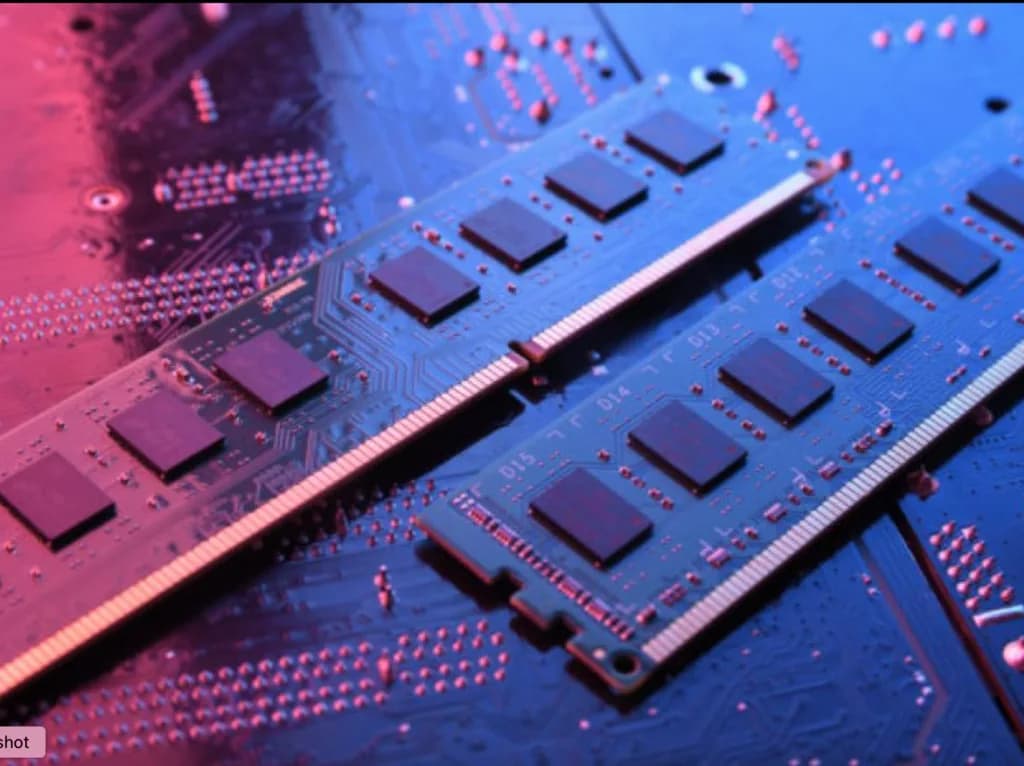
The artificial intelligence boom is creating winners and losers across the technology sector. Memory chip manufacturers are among the biggest beneficiaries. According to Morgan Stanley, memory chip prices have increased sixfold over the past year. Demand from AI companies continues to outstrip supply. The surge is creating challenges for manufacturers of smartphones, PCs and gaming devices. All of these products rely on the same memory components. The issue is not a shortage of chips across the board. Manufacturers are prioritising memory products used in AI servers and data centres. Demand has surged alongside investment in AI infrastructure. That has left companies in the consumer electronics market competing for a smaller share of available supply.
Rising costs for device makers
For hardware manufacturers, higher memory prices create a difficult balancing act. Companies can absorb the additional costs. They can pass them on to consumers. Or they can accept lower margins. None of those options is particularly attractive. Buyers are already sensitive to price increases. Some companies have already adjusted pricing. Sony and Lenovo are among the firms warning about higher costs linked to memory and other components. The impact is also being felt by large technology companies. Many are investing heavily in AI infrastructure. Microsoft recently indicated that rising chip costs would contribute significantly to its capital expenditure this year.
A shortage that may take time to ease
Adding semiconductor production capacity is a lengthy process. Building and equipping a modern fabrication plant requires billions of dollars. It can also take several years before production begins. Manufacturers are expanding capacity. However, any meaningful increase in supply is unlikely to happen soon. Morgan Stanley believes this market differs from previous chip cycles. Some of the world’s largest technology companies are securing long-term supply agreements. That reduces the amount of capacity available to other buyers. As a result, supply remains tight even as manufacturers invest in expansion.
Pressure on the consumer market
Research firm IDC expects higher component costs to weigh on demand for PCs and smartphones in 2026. The pressure is likely to be greatest in the lower-priced segments of the market.
Consumers replacing a laptop or smartphone may not notice higher memory prices directly. Manufacturers, however, still need to decide how much of those costs they can absorb. For memory suppliers, conditions remain favourable. Samsung Electronics, SK Hynix and Micron dominate the memory market. All three have benefited from rising demand linked to AI infrastructure spending. Trade restrictions are adding another layer of pressure. Ongoing tensions between the United States and China continue to complicate global semiconductor supply chains. The result is a market with strong demand and tight supply. Memory chips have become some of the most sought-after components in the technology industry.