The AI PC Innovation: The most significant development in the PC industry
The emergence of "AI PCs" this year, featuring silicon designed for accelerated artificial intelligence tasks, is hailed as the most significant development in the PC industry in a quarter-century, according to Nitesh Doolabh, the country manager at Intel South Africa. The integration of neural processing units (NPUs) into Intel's next-gen laptop and desktop CPUs is

The AI PC Innovation: The most significant development in the PC industry
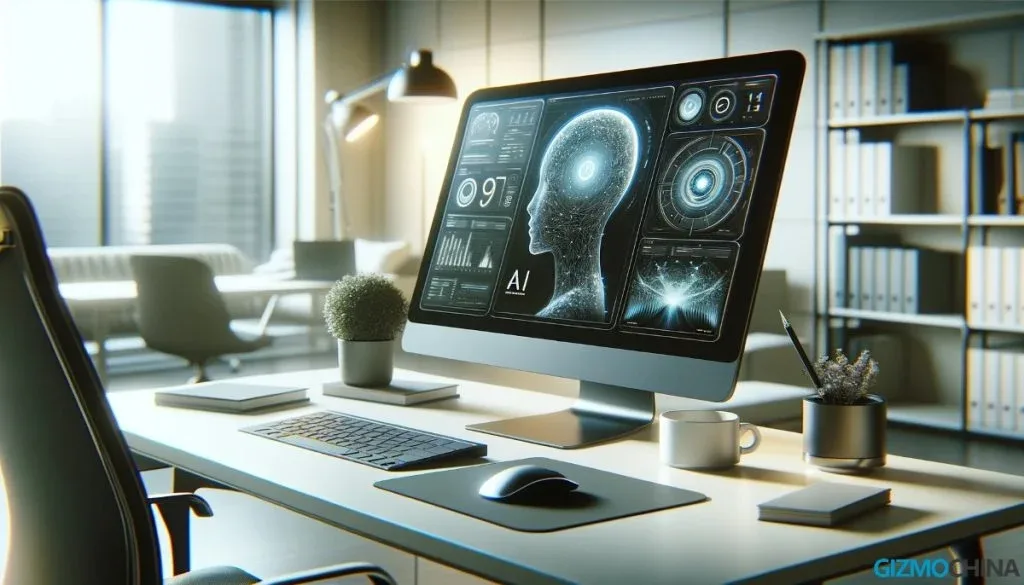
The emergence of “AI PCs” this year, featuring silicon designed for accelerated artificial intelligence tasks, is hailed as the most significant development in the PC industry in a quarter-century, according to Nitesh Doolabh, the country manager at Intel South Africa. The integration of neural processing units (NPUs) into Intel’s next-gen laptop and desktop CPUs is expected to drive a surge in the adoption of AI tools on PCs.
Doolabh compares the impact of NPUs to landmark events in the industry, such as the introduction of Windows 95 in 1995 and the launch of Centrino technology in the early 2000s. The introduction of Intel’s next-gen PC chips, under the “Core Ultra” brand, is anticipated to trigger substantial changes in computing. These chips, featuring AI co-processors, enable users to perform more AI tasks locally, reducing dependence on cloud services and addressing concerns about sensitive data processing in the cloud.
The corporate sector is expected to drive initial demand for AI PCs, driven by security concerns related to uploading sensitive data to third-party cloud services. Consumer demand is predicted to follow, particularly with the launch of the successor to Windows 11, potentially called Windows 12, later this year. Microsoft is expected to infuse AI software, including its Copilot-branded generative AI tool based on OpenAI’s ChatGPT, into the new Windows version.
Intel, along with other CPU manufacturers like AMD, is incorporating AI co-processors into its chips as the industry competes to define the next era in computing. NPUs are expected to democratize access to AI tools, with projections indicating 100 million devices running Core Ultra chips by the end of the year. Laptops with these processors are set to be available in South Africa by the end of February, while the desktop-class chips are expected later in the year.
The new chips, equipped with AI co-processors, will execute advanced AI tasks on-device, providing enhanced security, lower latencies, and improved power efficiency. Doolabh anticipates a substantial shift in data processing, with 75% of enterprise-managed data processed outside the data center by the end of 2025. The introduction of AI PCs is expected to accelerate the development and adoption of applications leveraging NPUs, extending beyond PCs to be embedded in various devices, including automotive systems, offering advanced AI tools like AI-powered conversational chat.