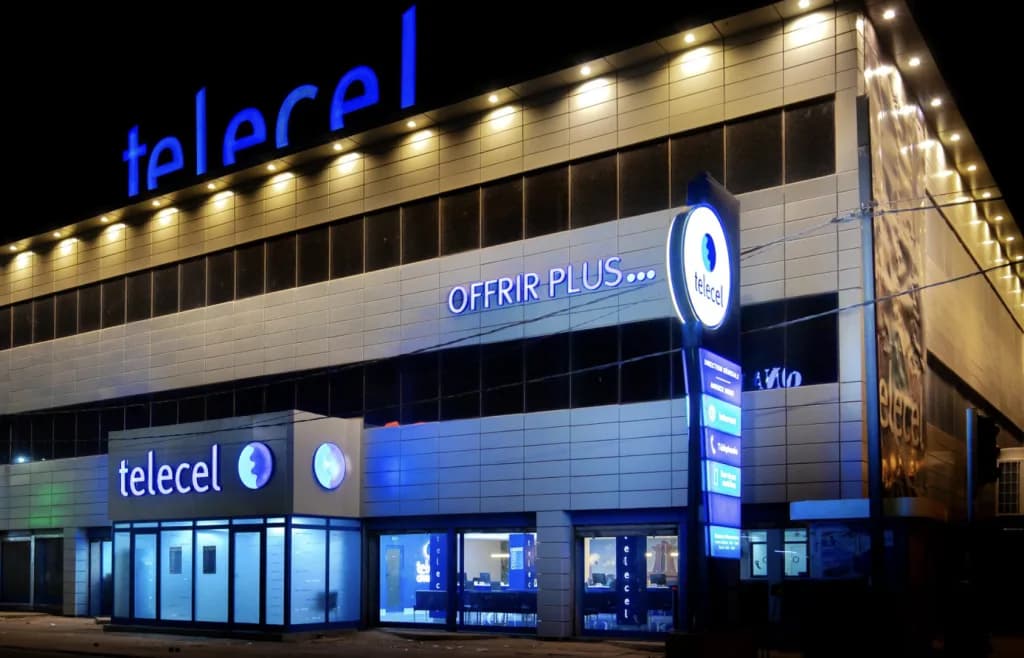
Telecel Faso Pushes 300-Site Network Upgrade Across Burkina Faso
Telecel Faso has begun deploying 300 new telecom sites across Burkina Faso under a government programme aimed at extending services to 750 underserved areas. The initiative supports national efforts to close connectivity gaps while giving Telecel an opportunity to regain traction in a market long dominated by Orange and Moov Africa. Government Engagement and Deployment
Telecel Faso Pushes 300-Site Network Upgrade Across Burkina Faso
Telecel Faso has begun deploying 300 new telecom sites across Burkina Faso under a government programme aimed at extending services to 750 underserved areas. The initiative supports national efforts to close connectivity gaps while giving Telecel an opportunity to regain traction in a market long dominated by Orange and Moov Africa.
Government Engagement and Deployment Update
Providing an update on progress, Telecel Faso CEO Boris Compaoré said the company is advancing its rollout with strong government backing. “We are in the middle of deployment and came to update the minister, who has strongly supported us. We explained that, beyond the 150 sites initially planned, we are working to add another 150. This will speed up the rollout and expand coverage across municipal centres in both urban and rural areas,” he said after meeting with Aminata Zerbo Sabane, Minister of Digital Transition, Posts and Electronic Communications.
The additional sites broaden Telecel’s reach, enabling it to serve areas already covered by competitors as well as communities where it would become the first provider.
The expansion effort is taking place against the backdrop of significant national connectivity challenges. Official 2024 data shows that while 2G coverage reaches 85% of the population, 3G and 4G services remain limited at 64% and 46% respectively. Authorities have identified 1,700 coverage gaps across the country; 183 were addressed in 2022 and 138 in 2024, with a further 750 earmarked for 2025. Telecel’s new sites form part of this wider push to improve nationwide access.
Market Share Trends
This rollout is also strategically important for Telecel, which has been losing market share over the past several years. In mobile telephony, its share declined from 17.46% in Q2 2017 to 9.81% in Q2 2025. During the same period, Moov Africa (Onatel) saw a small increase to 42.8%, while Orange strengthened its market lead to 48.11%. A similar trend is visible in mobile internet services, where Orange dominates with 67.7% of the market, compared with 22.85% for Moov Africa and 9.99% for Telecel. These shifts highlight the competitive pressure Telecel faces as it works to expand its footprint.
Ongoing Connectivity Gaps
Despite high subscription figures120% for mobile telephony and 85% for mobile internet as of June 2025 significant disparities in actual access persist. The ITU estimated real internet penetration at just 17% in 2023, while mobile telephony penetration stood at 55.9%. The gap is explained in part by the widespread use of multiple SIM cards, meaning subscriber numbers do not reflect true user access. Telecel’s expanded network aims to help address these disparities, particularly in underserved areas.
Telecel’s recovery will rely on more than expanding its physical network. With Orange and Moov Africa maintaining firm competitive positions, growth will depend on whether users can access affordable devices, reasonably priced data plans and reliable service. Improvements in service quality, ease of use and the practical value of digital services will also play a central role. The current rollout strengthens Telecel’s footprint, but meaningful gains will come from consistent enhancements in customer experience and overall accessibility.
Read more about Telecel Here