Choosing the Right Startup Funding for the Business At The Right Time
Startup funding is usually framed around venture capital, but that model doesn’t suit every business. In many cases, the pressure to grow quickly and deliver large returns doesn’t match how revenue comes in. As a result, founders are looking at other ways to fund their work options that are less visible but easier to manage
Choosing the Right Startup Funding for the Business At The Right Time
Startup funding is usually framed around venture capital, but that model doesn’t suit every business. In many cases, the pressure to grow quickly and deliver large returns doesn’t match how revenue comes in. As a result, founders are looking at other ways to fund their work options that are less visible but easier to manage in practice. In early stages, this means starting with more accessible sources of capital.
Grants and Angel Investors in Early Stages
Grants are one of the more accessible starting points, especially in sectors like education, health, and climate. They don’t require repayment or equity, which makes them useful in the early stages. The downside is the process. Applications take time, and even after approval, funds can take a while to reach approval stage. There are also reporting requirements that can slow things down if the team is small. Because of this, grants work best when they are tied to specific activities, like testing a product or running a pilot, rather than covering general operating costs.
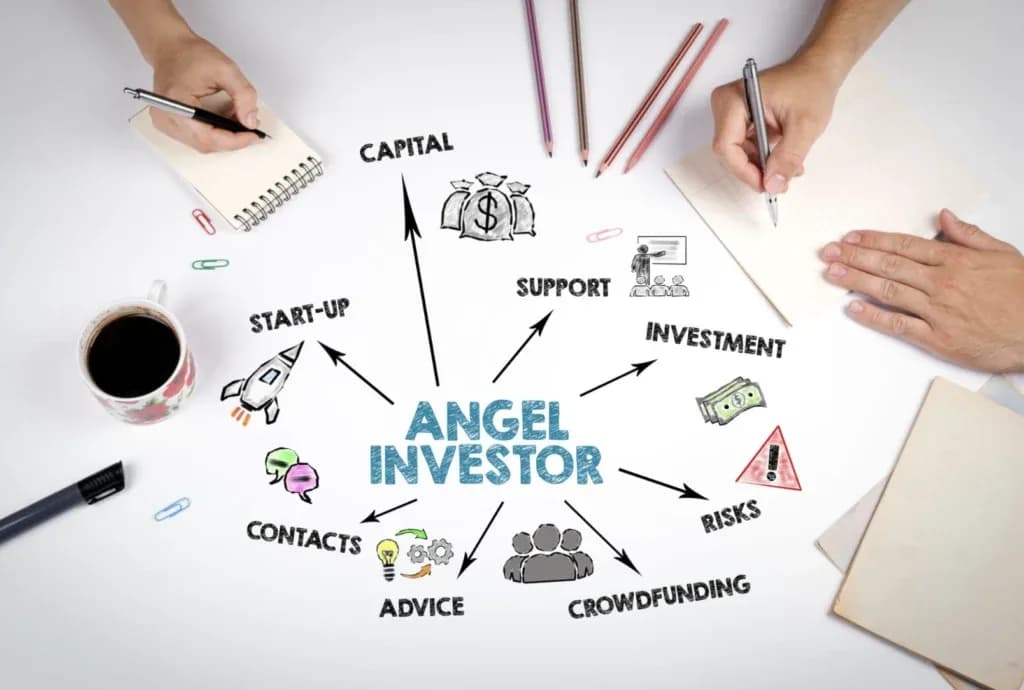
Angel investors are another option, usually at an earlier stage than formal venture capital. They tend to invest smaller amounts and can move faster, but the relationship matters more than the money itself. Some angels bring useful experience and connections, which can help a business move forward. Others may want input on decisions without fully understanding the day-to-day realities of the business. Setting expectations early how involved they will be, what decisions they influence helps avoid problems later.
Beyond investor-led funding, some founders look at structured financing options. Revenue-based finance offers a different structure. Instead of giving up shares or taking on fixed debt, the business agrees to pay back a percentage of its revenue over time. This can work well for companies that already have steady sales. Payments adjust depending on how the business performs, which can ease pressure during slower months. At the same time, it still requires consistent income. If revenue is unpredictable, even a flexible repayment model can become difficult to manage.
What stands out across these options is that each one fits a different stage. Grants can support early work when the business is still being tested. Angel investment can help once there is some direction and a need for guidance or connections. Revenue-based finance becomes more practical when there is regular income to support repayments.
Combining Funding Sources in Practice
Many founders end up using a mix rather than relying on one source. That approach spreads risk and avoids depending too heavily on a single type of funding. It also allows the business to grow at a pace that matches demand, instead of chasing expectations that come with larger, more conventional funding routes.
In the end, the choice of funding comes down to what the business can handle. Not every company needs to raise large amounts of capital, and not every funding source is a good fit. Looking at how money flows through the business how it is earned, how consistent it is, and where the opportunities are usually gives a clearer answer than following a standard funding path.