How AI Is Supporting Safety Compliance in African Mining Operations
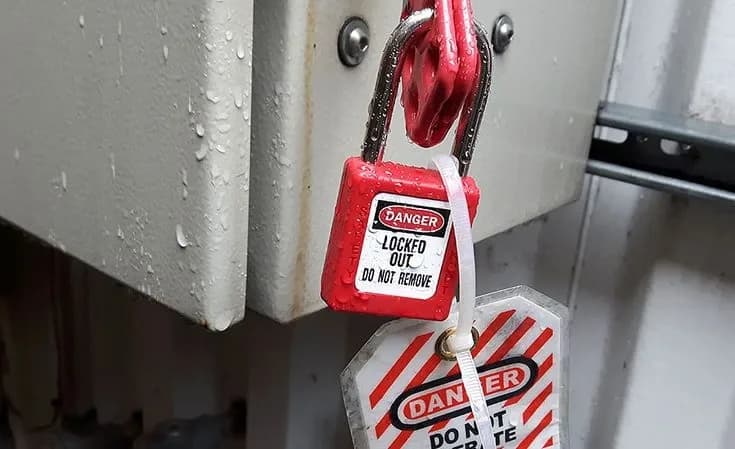
Standard Operating Procedures remain the backbone of safety management in mining and mineral processing operations. Across Africa’s mines, systems such as Lock Out, Tag Out, Try Out (LOTOTO) continue to define how equipment is isolated before maintenance or repair begins. As artificial intelligence begins to find its way into parts of the African mining value
How AI Is Supporting Safety Compliance in African Mining Operations
Standard Operating Procedures remain the backbone of safety management in mining and mineral processing operations. Across Africa’s mines, systems such as Lock Out, Tag Out, Try Out (LOTOTO) continue to define how equipment is isolated before maintenance or repair begins. As artificial intelligence begins to find its way into parts of the African mining value chain, the question is not whether these procedures are being replaced, but how they are being reinforced, monitored, and in some cases redesigned by new technologies.
At most operations, the fundamentals of LOTOTO remain unchanged. Equipment must still be physically isolated, energy sources secured, and verification steps completed before personnel can begin work. What is starting to change is how mines verify that these steps have actually been followed. Some operations are experimenting with computer vision systems and connected sensors that monitor activity around equipment. Cameras can detect whether access panels are opened or whether workers are entering restricted zones before isolation has been confirmed. In these situations, artificial intelligence functions less as a decision-maker and more as an additional layer of oversight.
Predictive Maintenance and Changing Operational Environments
Predictive maintenance is another area where the influence of AI is becoming visible. Traditionally, maintenance schedules were based on fixed intervals or visible faults. AI systems analysing vibration, temperature, and equipment performance data are beginning to identify potential failures earlier. This does not remove the need for SOPs like LOTOTO, but it changes when and how maintenance teams intervene. Instead of reacting to breakdowns, teams are sometimes able to plan interventions in advance, which can reduce rushed shutdowns and improve adherence to safety procedures.
Remote operations are also gradually shifting the environment in which SOPs operate. Some larger mining companies have introduced centralised control rooms and partially automated processing circuits. In these environments, digital systems can confirm whether a machine has been isolated before work orders are approved. Automated interlocks, backed by data monitoring, help prevent equipment from restarting while personnel are present in hazardous areas. The human procedures remain in place, but they are increasingly supported by system checks.
A Measured Impact Across the Sector
Despite these developments, the overall impact of AI on SOPs across African mining remains measured rather than transformational. Adoption tends to be concentrated in larger operations with the capital to invest in digital infrastructure. Many sites still rely primarily on manual verification, supervisor checks, and traditional training methods. In that sense, artificial intelligence is not replacing established safety frameworks. Instead, it is beginning to sit alongside them, adding visibility and, in some cases, earlier warning signs that allow operations to manage risk more effectively.