Spiro's Funding Raise Puts Battery Swapping in Focus
Spiro's latest funding round made headlines for its size. The electric motorcycle company raised $215 million, making it one of the largest investments ever secured by an African mobility startup. But the bigger story is what the company plans to do with the money and whether its business model can eventually stand on its own.
Spiro's Funding Raise Puts Battery Swapping in Focus
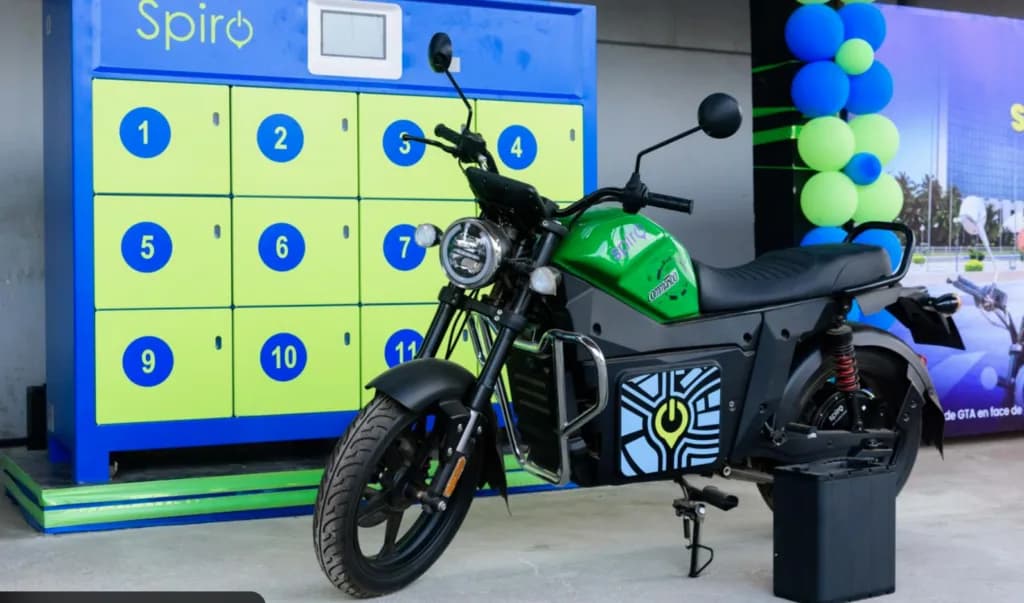
Spiro’s latest funding round made headlines for its size. The electric motorcycle company raised $215 million, making it one of the largest investments ever secured by an African mobility startup. But the bigger story is what the company plans to do with the money and whether its business model can eventually stand on its own. Spiro says it will use the new funding to increase battery capacity, install more swapping stations and strengthen its operations in the markets where it already operates. The company is not entering a new line of business or launching a different product. Instead, it is putting more resources into a network it has been building for years. The thinking is straightforward. Motorcycles bring riders into the ecosystem, but the company hopes battery swapping will become a larger source of income over time. For now, motorcycle sales remain the backbone of the business. Energy services and maintenance contribute revenue, but they still account for a smaller share.
A Different Business From Selling Motorcycles
Selling motorcycles and running a battery-swapping network are fundamentally different activities. A motorcycle is sold once. A swapping network requires continuous spending on batteries, stations, transport, repairs and operations. The financial case becomes stronger only when enough riders use the network regularly. That is why Spiro has focused heavily on expanding its footprint. The company says it has installed more than 2,500 battery-swapping stations across Africa. The aim is to make battery access predictable for riders who depend on their motorcycles to earn a living. For many commercial riders, a flat battery can mean lost trips and lost income.
The Rest of the Industry Sees the Same Gap
Spiro is not the only company pursuing this market. Across East and West Africa, startups are building businesses around electric motorcycles and battery swapping networks. Companies such as Ampersand and Roam are targeting riders who spend a sizeable share of their daily earnings on fuel. Their argument is simple: if riders can spend less on fuel without disrupting their work, electric motorcycles become easier to justify. What gives Spiro an advantage is the amount of capital at its disposal. The company has now secured more than $500 million through a mix of debt and equity financing, giving it more room than many competitors to expand across several countries at once.
The Missing Numbers
The funding is impressive, but investors are ultimately looking for evidence that the economics work. Spiro says two of its most established markets are already generating positive cash flow. However, the company has not disclosed which markets those are, how profitable they are or how long it takes a battery swapping station to recover its costs. Those details would make it easier to assess the strength of the business beyond the fundraising announcements. Africa’s motorcycle taxi industry moves millions of people every day. Rising fuel prices continue to put pressure on riders’ earnings, creating demand for cheaper alternatives. That helps explain why investors remain interested in the sector. The real test, however, will not be how much money companies raise. It will be whether they can build networks that riders use consistently and whether those networks can generate enough revenue to justify the cost of building them. For Spiro, that question may matter more than the size of its latest funding round.