Founder Fridays: Everlectric.
South Africa’s electric vehicle conversation is usually discussed at a policy level white papers, incentives, long-term targets and infrastructure. But that view often misses how things play out in practice. For Ndia Magadagela, the entry into electric mobility came from a different place. It was not a planned career path but driven by curiosity and
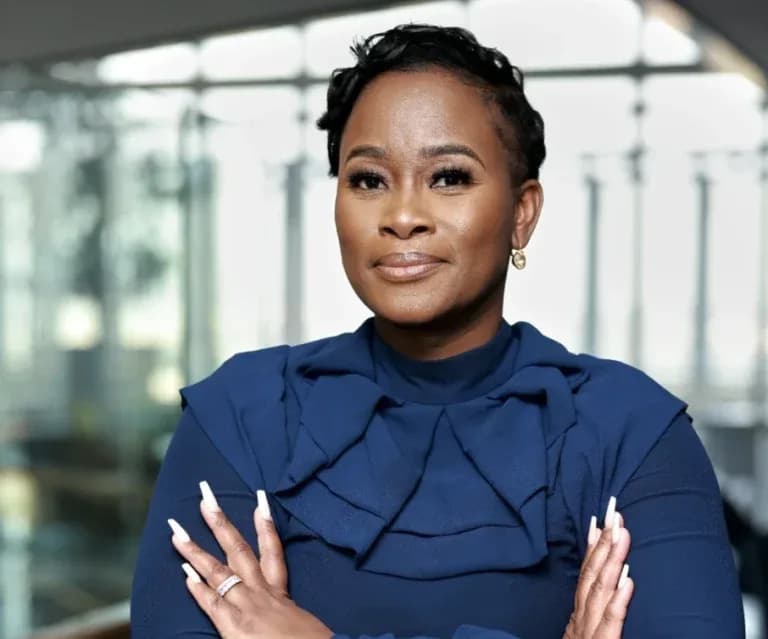
Founder Fridays: Everlectric.
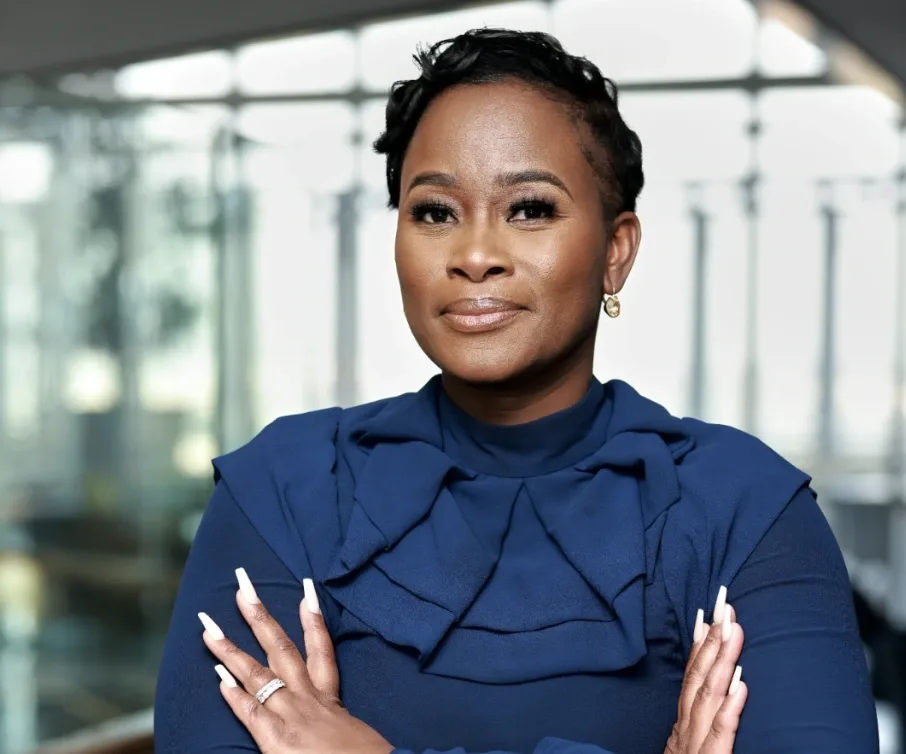
South Africa’s electric vehicle conversation is usually discussed at a policy level white papers, incentives, long-term targets and infrastructure. But that view often misses how things play out in practice.
For Ndia Magadagela, the entry into electric mobility came from a different place. It was not a planned career path but driven by curiosity and a tendency to look for problems worth solving. Before Everlectric, she had already moved through different ventures, building around gaps she could see and testing ideas in real settings.
That approach carried into electric mobility. A trip to the United States and a first encounter with an electric vehicle, along with early conversations with her co-founders around Tesla and global shifts in the sector, pushed one question forward where would this actually work in a South African context?
That question became the starting point for Everlectric.
While much of the local conversation still sits around policy, infrastructure, and long-term targets, Ndia explains that the reality is more practical. It comes down to how businesses run, how decisions are made, and whether new technology can deliver without interrupting operations. Approaching the space from outside an engineering or policy background, she focused on how companies operate and where adoption tends to break down.
As CEO and founder of Everlectric, Ndia says that thinking continues to challenge the business. The focus is on making electric fleets work in real conditions what holds up, what fails, and what changes once vehicles are in daily use.
“We transition the logistics industry from internal combustion engines to electric, and we do it as a full solution,” she says.
From early testing to working fleets
The business started from a gap that was already visible. Companies were setting sustainability targets, but there was still uncertainty around cost, infrastructure, and whether electric vehicles would actually work in day-to-day operations. Instead of waiting for the market to catch up, Ndia and her co-founders tested the model early, starting with a proof of concept of five vehicles.
That phase moved into commercial deployment, and Everlectric now has close to 300 vehicles on the road across different clients. Ndia says this change from pilot to real operations has been gradual.
“The uptake hasn’t been as quick as we thought, but we are definitely making progress,” she says.
For most operators, the hesitation comes down to risk. Range, charging infrastructure, and cost are still the main concerns. Ndia notes that businesses cannot afford disruptions, which is why any new system has to prove itself under real conditions. The model at Everlectric was built around those concerns, providing access to electric vehicles alongside charging, maintenance and support as part of a single, integrated solution.
“We’re answering the questions clients already have,” she says.
What makes electrification viable
Electrification depends on how a fleet is used. Ndia points out that it is not the same across all businesses. One clear indicator is mileage. Vehicles running around 3,000 kilometres a month are already at a point where electric starts to make sense.
Beyond that, the savings become clearer, with some clients seeing cost reductions of between 10% and 20%, depending on usage. Ndia explains that the starting point is always data routes, load requirements and daily operations.
From there, it becomes easier to see which parts of a fleet can transition now and which cannot.
“It’s almost like a consulting project. Every client is different,” she says.
Building the business and growing into leadership
The move into electric mobility was not planned from the start. With a background in accounting, dealmaking and mergers and acquisitions, Ndia Magadagela spent years working across Deloitte, the Industrial Development Corporation and Momentum. She says that experience changed how she looks at risk and opportunity, but the direction of the business came from a consistent approach.
“We’ve always been people who want to solve a problem,” she noted.
Building Everlectric has meant stepping into multiple roles at once. Finance, operations, technical understanding and leadership all sit close to the work, something Ndia says came with a learning curve she did not fully anticipate.
“I had no idea that it wasn’t just about building a business, but also building character,” she says.
That learning has been continuous, from understanding how the vehicles perform to working through infrastructure and logistics challenges. At the same time, she has had to grow into leadership in a space that is still largely male-dominated. While there has been some progress, Ndia believes more still needs to change to close the gender gap.
For Ndia, credibility comes down to knowing the work and being able to deliver.
“If you know your subject matter and you’re confident in what you bring, people listen,” she says.
That same hands-on approach is now challenging how the business grows and Expansion is already underway, including a move into the Western Cape, with a focus on being closer to clients and supporting larger fleet operations. Ndia notes that even with this progress, the market is still early, with less than 1% of South Africa’s commercial fleet sector currently electric.
Advice for the next generation
The opportunity goes beyond the vehicles themselves. Ndia explains that it comes down to how businesses manage transport, cost and long-term planning. Electric fleets are already being tested and used, but adoption will come down to practical decisions at operator level.
For those looking to enter the space, her advice is direct:
“Start where you are. Don’t wait for everything to line up.”
Read about other Founders HERE