South African Businesses Are Rethinking Who Controls Their Enterprise Technology
South African organisations are increasingly questioning whether major enterprise technology decisions should be driven by vendor timelines rather than business priorities. Pressure is growing to reduce costs, manage risk, and show clearer returns on technology investment. Businesses running platforms such as SAP, Oracle, and VMware are taking a closer look at support and upgrade models.
South African Businesses Are Rethinking Who Controls Their Enterprise Technology
South African organisations are increasingly questioning whether major enterprise technology decisions should be driven by vendor timelines rather than business priorities. Pressure is growing to reduce costs, manage risk, and show clearer returns on technology investment. Businesses running platforms such as SAP, Oracle, and VMware are taking a closer look at support and upgrade models. These models often require them to follow externally set roadmaps, regardless of operational readiness or budget constraints.
Challenging Established Assumptions
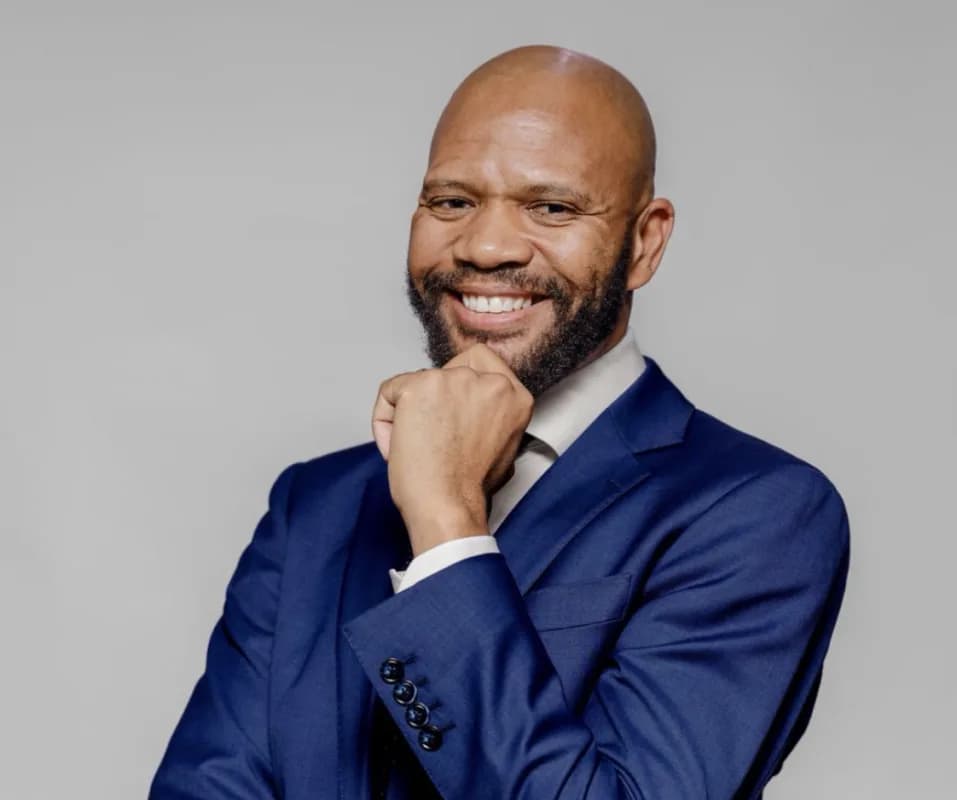
This shift comes as Spinnaker Support expands into South Africa with local leadership. The company focuses on helping organisations regain control over the timing and cost of enterprise technology decisions. Teko Mojaki, Managing Director of Spinnaker Support South Africa, says the local market is becoming more willing to question long-held assumptions about enterprise systems.
“The issue is not whether organisations want to modernise. Most do. The issue is whether they should be forced to modernise on someone else’s timeline,” says Mojaki. “In South Africa, every major technology investment is under pressure to show ROI. That is why more organisations are asking harder questions about support costs, upgrade timing, and whether they really have to move when the vendor says they must.”
The Risk of Forced Upgrades and the Case for Control
For many businesses, enterprise systems remain stable and deeply integrated. They are critical to finance, supply chain, workforce management, and customer operations. In these environments, a forced upgrade or rapid cloud migration can create cost, complexity, and operational risk. This is especially true when the business case is not yet clear.
Spinnaker Support’s model helps organisations extend the life of existing systems. It also reduces reliance on vendor-driven support structures. This allows companies to make decisions based on business readiness rather than external deadlines. Mojaki says this is especially relevant in South Africa. Organisations must deal with cost pressure, currency volatility, compliance demands, and uneven readiness for large-scale transformation.
“South African businesses are not rejecting change. They want the ability to decide when change makes commercial sense, when a stable system should be extended, and where technology spend will create the greatest return,” he says.
Backed by African Rainbow Capital, Spinnaker Support’s South African operation reflects a long-term commitment to the country. It also supports building enterprise technology capability in the region. For organisations that have adapted to vendor-driven decisions for years, this signals more than a new service offering. It signals a choice.
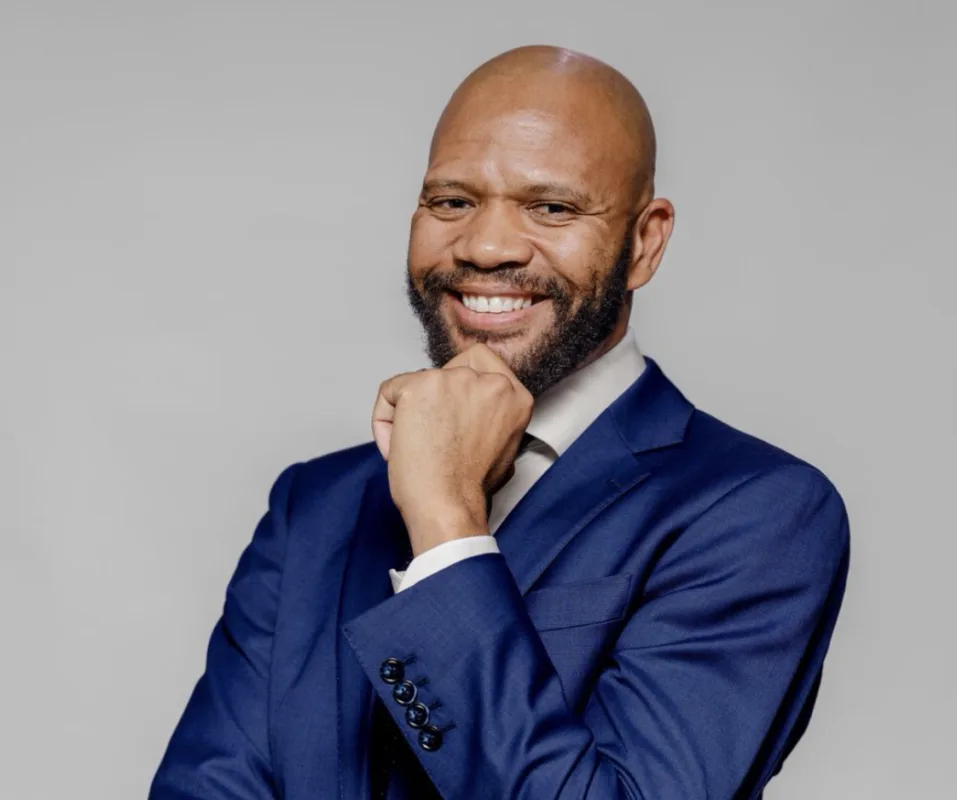
By Teko Mojaki Managing Director of Spinnaker Support South Africa