Voices of Africa “Founder Fridays” Uku’hamba (Pty) Ltd
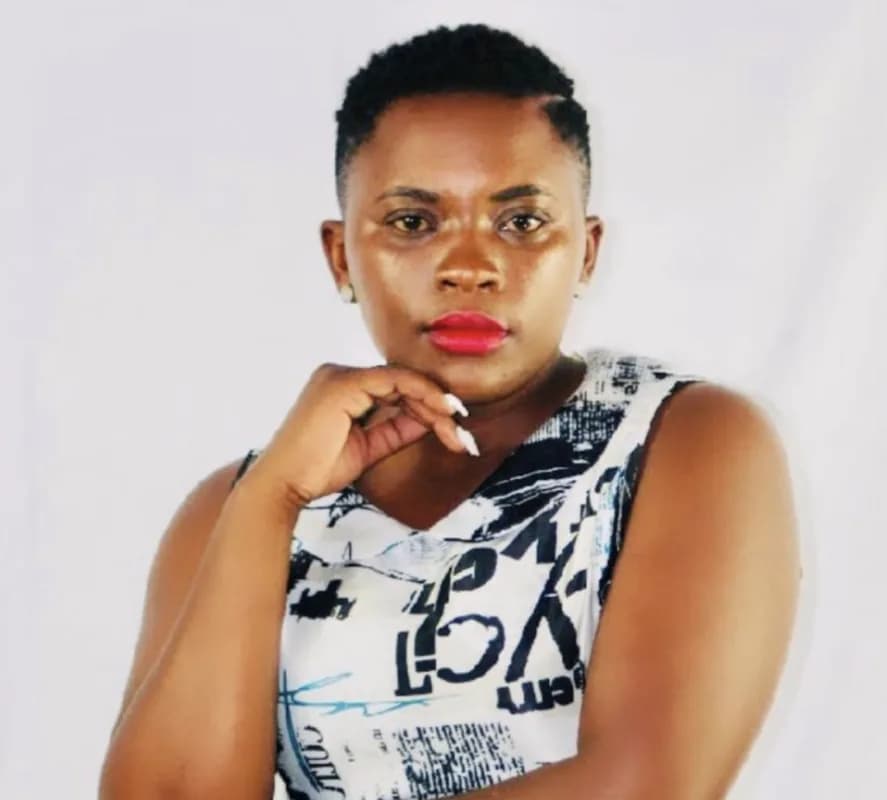
South Africa faces ongoing challenges in providing timely and affordable prosthetic and assistive devices to people living with disabilities, with long public sector waiting times often leaving individuals without essential mobility support for years. Amid these gaps, entrepreneur Sibongile Mongadi is positioning her company, Uku’hamba (Pty) Ltd, as a transformative solution. By Using 3D printing,
Voices of Africa “Founder Fridays” Uku’hamba (Pty) Ltd
South Africa faces ongoing challenges in providing timely and affordable prosthetic and assistive devices to people living with disabilities, with long public sector waiting times often leaving individuals without essential mobility support for years. Amid these gaps, entrepreneur Sibongile Mongadi is positioning her company, Uku’hamba (Pty) Ltd, as a transformative solution. By Using 3D printing, digital technologies, and sustainable materials, Sibongile is demonstrating how innovative approaches and socially conscious business practices can improve access, enhance independence, and empower communities across the country.
Observation Sparks a Mission
Her journey into prosthetics began when she noticed how difficult it was for people with disabilities to access essential devices. “I don’t know how it feels to live with a disability, but I witnessed how people wait five years or longer to get prosthetic devices,” she says. Motivated by this, Sibongile decided to tap into her engineering background to create faster, more affordable, and sustainable solutions that improve mobility, independence, and quality of life. When asked how Uku’hamba really works, she explained, “We leverage digital technologies for faster, sustainable, and affordable prosthetics and assistive devices for people living with physical disabilities.”
Overcoming Early Challenges
Starting Uku’hamba in 2018 came with many hurdles. “Being a girl from the township talking about 3D printing was a foreign concept to many,” she remembers. With limited funds, her first printer, a CR-10 Pro, had to sit on her mother’s cupboard while she worked evenings on prototypes, carefully experimenting to make her vision a reality. Progress was further slowed by the COVID-19 pandemic, and in 2024 a break-in resulted in the theft of key equipment. Despite these setbacks, support from partners like Standard Bank enabled her to rebuild and gradually scale operations. When asked how she managed to get started despite such limited resources, she explained, “I was still doing my research and development while trying to figure out how to fund the first printer. It wasn’t easy, but I kept going.”
Technology, Sustainability, and Customization
Once these early challenges were overcome, innovation became the driving force at Uku’hamba. Today, the Startup uses 3D scanning and 3D printing to produce customized prosthetics and assistive devices. “It’s not one-size-fits-all,” Sibongile explains. Each device is crafted with comfort, flexibility, and usability in mind yet aesthetics and is equally important. Users can choose their preferred colors, and Sibongile incorporates recycled materials as the base material, promoting both environmental sustainability and support for local suppliers. The final products are lighter, more durable, visually appealing, and can last up to five years a significant improvement over traditional, heavier prosthetics. she emphasized that, “We want our products to be sustainable and also bring joy to the user through choice and design.”
Empowering Youth in the Community
Beyond producing prosthetics, she is passionate about empowering local youth. Through mentorship, training, and opportunities for young people to find purpose and develop skills in technology and engineering. “We want to show young women and men that they can use their talents to solve real problems and create meaningful careers,” she explains. This focus on youth empowerment ensures the next generation is inspired to innovate and contribute positively to society.
Who Benefits from Uku’hamba?
Uku’hamba serves a broad spectrum of clients. Individuals, hospitals and private NGOs, special schools, mines, and even military personnel rely on the company’s products. The company produces both prostheticsfor amputees and assistive devices for people with temporary injuries or medical conditions such as diabetes. When asked about affordability, she said, “Traditional prosthetics can cost upwards of 50,000 rand. For children, who need frequent replacements as they grow, we make it affordable, so nobody is left behind.”
Efficient Production Despite Challenges
While 3D printing can take time, what used to take years in the public system can now be done in8 to 16 hours, depending on the device and user needs. Her team currently produces about four to five devices daily, adjusting for design complexity. Electricity disruptions, such as load shedding, pose ongoing challenges, requiring careful scheduling to maintain delivery timelines. “power disruptions with electricity sometimes delays our turnaround, but we make sure every user gets their device on time,” she explains.
Plans for Expansion
Sibongile has ambitious plans for Uku’hamba. She hopes to expand the workspace, acquire industrial-grade 3D printers, and produce raw materials in-house. Strengthening partnerships with public hospitals and private healthcare providers is also a priority to broaden access across South Africa.
Read about more like this HERE