Founder Fridays: Flockify
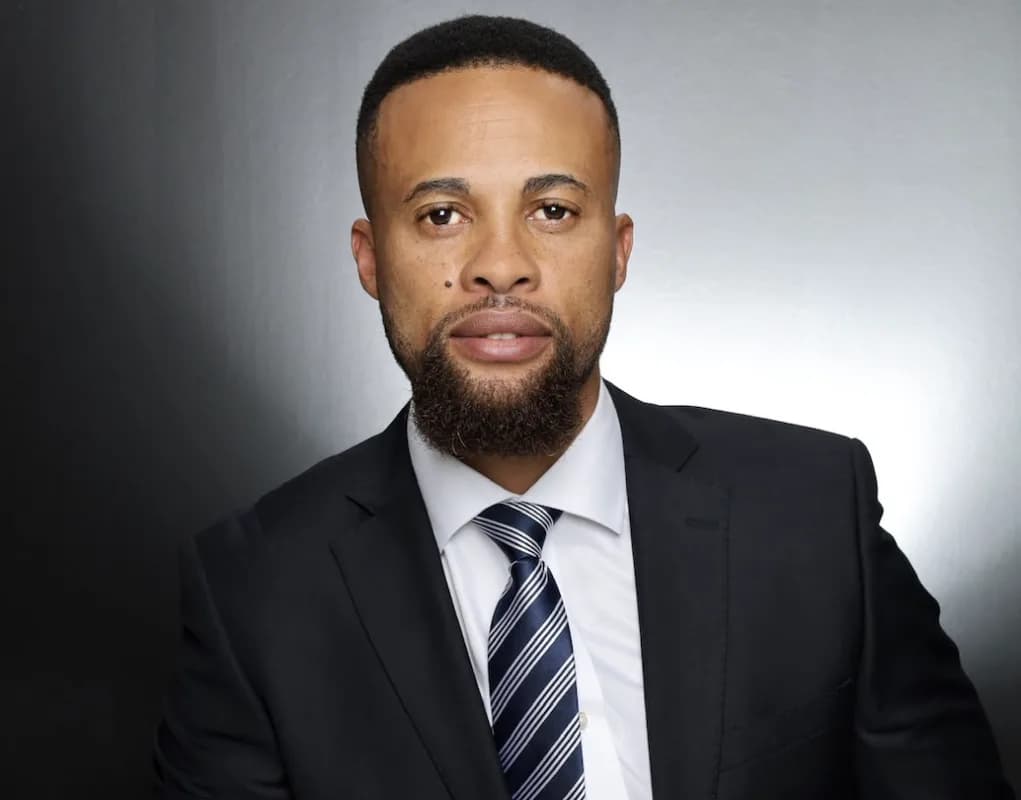
Some entrepreneurs begin with a breakthrough idea. Tshepiso Malema began with problems he knew personally. From opening a gaming business in Ivory Park as a teenager to developing artificial intelligence solutions for African farmers, every business he has built has followed the same principle: solve a challenge you have experienced yourself before trying to solve

Founder Fridays: Flockify
Some entrepreneurs begin with a breakthrough idea. Tshepiso Malema began with problems he knew personally. From opening a gaming business in Ivory Park as a teenager to developing artificial intelligence solutions for African farmers, every business he has built has followed the same principle: solve a challenge you have experienced yourself before trying to solve it for others.
As Founder and Group CEO of Tech4Africa Group, Tshepiso has expanded from gaming and education technology into agritech, creating digital platforms that support both learners and livestock farmers. While the industries have changed, his approach has remained remarkably consistent, with each venture rooted in lived experience rather than theory.
Solving Problems that were Understood
Tshepiso’s entrepreneurial journey began when he was 15 years old during a school competition that challenged learners to identify problems within their communities. He realised many young people around him had little exposure to technology and decided to do something about it. Working from a garage in Ivory Park, he established Gamer’s Territory, a gaming centre that later expanded into Alexandra.
As he studied Information Systems at the University of Pretoria, his interest shifted from playing games to building them. That transition eventually led to Scala Play, a gamified learning platform designed to make mathematics and science more engaging for learners. The idea was inspired by his own experience of struggling with both subjects at school.
“I solve problems that I’ve experienced myself,” he says, explaining the philosophy that continues to guide every business he builds.
Farming can Change Everything
Tshepiso’s next entrepreneurial opportunity emerged in an entirely different industry. After entering poultry farming, he encountered a challenge familiar to many livestock producers. Disease could spread rapidly through a flock before visible symptoms appeared, leaving little opportunity to intervene before losses mounted.
The lesson came at a significant cost. He lost more than R50,000 during a single production cycle after failing to detect illness early enough. Rather than accepting the setback as an unavoidable part of farming, he turned to the one advantage he already had: technology.
“I started asking how artificial intelligence could help farmers detect health problems before they became catastrophic.”
That experience inspired him to develop Flockify, an AI-powered livestock management platform that uses computer vision to help farmers monitor the health of their birds while also managing farm records, compliance requirements and day to day operations.
“As I shared it with other farmers, they liked it and started sharing it with others. That’s when it took off.”
Today, Flockify serves farmers across several African countries and continues to evolve as users identify new challenges that technology can help address.
Technology Is Only Part of the Solution
Building the platform proved easier than encouraging farmers to adopt it. Tshepiso says many producers remain cautious about introducing digital tools into businesses that have relied on traditional methods for generations. Rather than expecting immediate adoption, his team spends considerable time working alongside farmers, providing digital literacy training and demonstrating how technology can improve productivity.
Those conversations also revealed that disease detection was only one part of a much bigger picture. Many farmers struggled with regulatory compliance, access to funding and limited internet connectivity. Instead of limiting Flockify to livestock health monitoring, the platform expanded to include compliance management and recommendations for grant opportunities that many farmers were unaware of.
For Tshepiso, the experience reinforced an important lesson: technology creates value only when it addresses the wider challenges people face, not simply the technical problem that inspired it.
Changing How Young People View Agriculture
Tshepiso believes agriculture has never lacked opportunity. Instead, he argues, it has struggled with perception. Many young South Africans continue to view farming as physically demanding work with limited career prospects, despite rapid advances in agricultural technology.
He believes artificial intelligence, computer vision, satellite imagery and connected farm technologies are changing that narrative. Alongside Flockify, Tech4Africa Group is developing Cropify, a digital crop management platform that reflects the same technology-first approach to solving agricultural challenges.
For Tshepiso, modern agriculture increasingly requires software developers, AI specialists, engineers and data scientists alongside traditional farming expertise. Changing perceptions, he says, will be essential if more young people are to see agriculture as an industry where innovation can thrive.
Lessons from China
Representing South Africa through BRICS science and technology programmes in China gave Tshepiso fresh insight into how innovation ecosystems operate elsewhere in the world. One lesson stood out above all others.
“Speed beats perfection.”
He observed how Chinese startups move quickly, launch products early and improve continuously based on customer feedback rather than waiting for perfect solutions. He was equally impressed by the close relationship between universities, entrepreneurs and industry, where research is routinely commercialised through incubators, partnerships and investment. Those experiences reinforced his belief that Africa has an opportunity to strengthen similar collaborations and create stronger support systems for innovators developing practical solutions.
Building More Than Businesses
Although Tech4Africa Group now spans education technology, agricultural technology and software development, Tshepiso believes entrepreneurship should deliver benefits that extend beyond commercial success. Growing up in Ivory Park, he benefited from mentors who introduced him to opportunities and networks beyond his immediate surroundings, an experience that continues to shape his own commitment to supporting young entrepreneurs.
Through his foundation and regular engagements with schools, he encourages young people to see entrepreneurship and technology as realistic career paths. He believes exposure changes expectations. When aspiring entrepreneurs meet founders who share similar backgrounds and have built successful businesses, entrepreneurship becomes easier to imagine.
Founder Advice
Asked what advice he would offer aspiring entrepreneurs, Tshepiso begins with a reality that is often overlooked.
“Entrepreneurship is hard.”
He believes too many founders become focused on raising investment before proving they are solving a genuine problem. Instead, he encourages entrepreneurs to start with the resources they already have, validate their ideas through real customers and improve continuously through feedback. He also emphasises building a personal brand alongside the business, noting that investors, partners and customers increasingly want to understand the people behind the companies they support.
For Tshepiso, funding should never be the starting point. The priority is understanding the problem, delivering value and earning trust. It is the same philosophy that has guided his own journey from a gaming business operating out of a garage in Ivory Park to building AI-powered solutions designed to tackle practical challenges across African agriculture.