Solar Agriculture Promised Lower Costs. Has It Delivered?
Solar agriculture has long been promoted as one of the answers to African farming's biggest cost pressures. Rising diesel prices, unreliable electricity and expensive irrigation have made renewable energy an increasingly attractive alternative. The promise was straightforward lower operating costs, greater energy independence and stronger farm profitability. But has the technology delivered where it matters
Solar Agriculture Promised Lower Costs. Has It Delivered?
Solar agriculture has long been promoted as one of the answers to African farming’s biggest cost pressures. Rising diesel prices, unreliable electricity and expensive irrigation have made renewable energy an increasingly attractive alternative. The promise was straightforward lower operating costs, greater energy independence and stronger farm profitability. But has the technology delivered where it matters most?
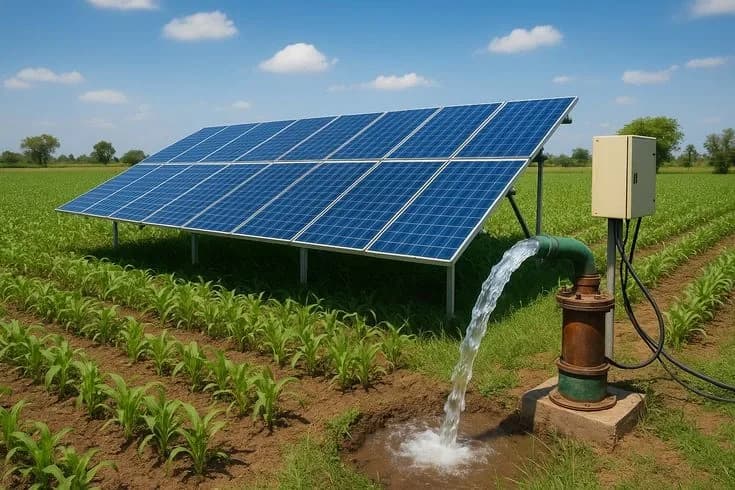
The technology has moved well beyond pilot projects. Solar pumps are irrigating farms, solar-powered cold rooms are preserving fresh produce and agritech startups are building businesses around both. Farmers using these systems are spending less on fuel, gaining more reliable access to irrigation and, in some cases, losing fewer crops after harvest. Those are practical gains that go beyond the early marketing around solar agriculture.
Lower Operating Costs, Higher Upfront Investment
The biggest advantage of solar agriculture has always been its ability to reduce recurring costs. Once installed, solar systems require little fuel and relatively modest maintenance compared with diesel-powered alternatives. For farmers operating in remote areas, where fuel supply can be unpredictable and electricity infrastructure limited, that reliability can be just as valuable as the savings themselves.
But lower operating costs have not automatically translated into widespread adoption. The initial investment remains beyond the reach of many smallholder farmers, particularly where access to affordable finance is limited. Even when the long-term savings are clear, securing the capital needed to install a solar irrigation system or cold storage facility remains a significant barrier.
Recognising that challenge, many agritech startups have adapted their business models. Instead of selling equipment outright, they increasingly offer pay-as-you-go financing, leasing arrangements and shared-service models that reduce the upfront financial burden for farmers.
Changing the Business Model
That change may prove just as important as the technology itself. Companies across Kenya, Nigeria, Uganda and South Africa are discovering that the real opportunity lies not only in manufacturing solar equipment but also in making it easier for farmers to access. That has led to new business models. Solar irrigation systems are being paired with digital payment platforms, while shared booking systems allow multiple farmers to access solar powered cold storage without investing in the infrastructure themselves. Artificial intelligence is also supporting irrigation planning, weather monitoring and more efficient water use.
Those innovations address one of solar agriculture’s biggest obstacles. Lower operating costs alone don’t guarantee adoption. Farmers also need financing they can access, payment models that match seasonal incomes and businesses that continue supporting the equipment after installation.
Adoption Still Depends on Local Realities
The pace of adoption continues to vary across the continent. Regions with stronger rural financing, government incentives and agricultural support programmes have generally moved faster than markets where farmers remain heavily dependent on ordinary financing or public infrastructure.
Maintenance capacity also matters. Installing a solar system is only part of the process. Access to technicians, replacement components and after-sales support often determines whether systems continue operating efficiently years after installation. These realities explain why solar agriculture has expanded steadily without the rapid adoption many expected. The technology works. Building the ecosystem needed to support it simply takes longer.
Solar agriculture hasn’t solved every cost challenge facing African farmers. But it has demonstrated that renewable energy can play a practical role in lowering them. The next stage won’t be driven by better solar panels alone. It will depend on how quickly startups, financiers and policymakers can remove the barriers that still keep the technology out of reach for many farmers.