Singularity Summit 2024 Day 2: Mark Nasila Talks About Securing Africa's AI sovereignty
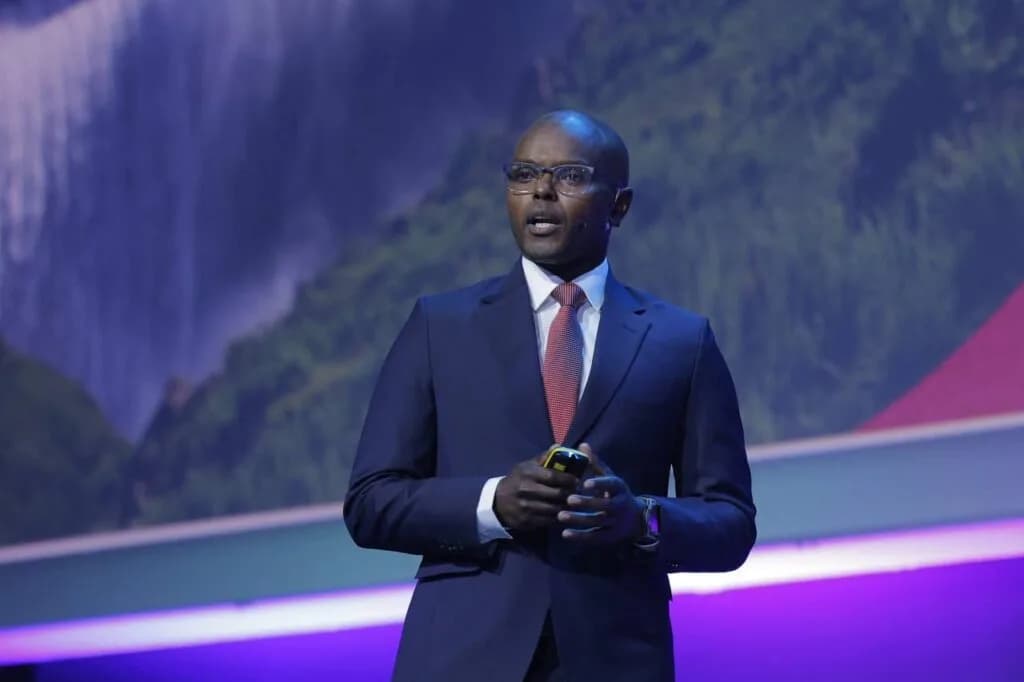
Africa needs to take control of its AI sovereignty by actively shaping global AI frameworks and adopting ethical AI solutions that are tailored to the continent's needs, according to Dr Mark Nasila speaking at SingularityU South Africa Summit 2024. In a stirring call to action, Dr Mark Nasila urged Africans to embrace an AI-driven future.
Singularity Summit 2024 Day 2: Mark Nasila Talks About Securing Africa's AI sovereignty
Africa needs to take control of its AI sovereignty by actively shaping global AI frameworks and adopting ethical AI solutions that are tailored to the continent’s needs, according to Dr Mark Nasila speaking at SingularityU South Africa Summit 2024.
In a stirring call to action, Dr Mark Nasila urged Africans to embrace an AI-driven future. The author and Singularity Expert spoke about ‘Africa’s AI Sovereignty: Unleashing the potential for home-grown innovation and self-reliance’ at this year’s SingularityU South Africa Summit, in collaboration with Old Mutual, which is currently underway in Johannesburg.
Dr Nasila’s words echoed the growing concern about the uneven distribution of AI success, with North America and China currently reaping 70% of AI’s projected value of $16 trillion.
The way forward for Africa, he argued, lies in contributing to global frameworks for AI development and adoption, rather than passively accepting frameworks created elsewhere. Africa should only adopt responsible and ethical AI frameworks that are relevant to Africa and practical for African contexts.
Dr Nasila proposed the idea of creating “AI factories” – decentralised hubs of innovation that can drive the development of intelligent products and services tailored to Africa’s requirements. This would enable Africa to participate in the AI value chain beyond merely consuming products and services, allowing the continent to industrialise and build self-reliance. He also urged African governments to “stimulate the AI industry by powering and incentivising start-ups” across the continent.
He also identified data and infrastructure management as key “building blocks of attaining sovereignty” that African nations must address. This includes the ability to effectively manage, safeguard, and leverage the continent’s data resources, especially sensitive human data.
“We have an opportunity to craft strategies. We have an opportunity to put our minds together so that we can redirect the future of AI, so that we don’t end up being so dependent, so that our national priorities can contribute to the global frameworks,” Dr Nasila concluded, rallying the audience to shape a future where Africa’s AI sovereignty is a source of pride and self-reliance.
His latest book African Artificial Intelligence, which was published earlier this year, was also for sale at the Exclusive Books stand at the summit where the author signed copies for delegates after his talk.
Main Image: SingularityU