Ships struggling to deliver goods over overwhelmed African ports
Shipping companies opting to navigate around the Cape of Good Hope to avoid Houthi attacks in the Red Sea are confronting challenging decisions regarding refueling and restocking. African ports, grappling with bureaucratic hurdles, congestion, and subpar facilities, pose a dilemma for these vessels. Numerous large ships are choosing the longer route around the southern tip
Ships struggling to deliver goods over overwhelmed African ports
Shipping companies opting to navigate around the Cape of Good Hope to avoid Houthi attacks in the Red Sea are confronting challenging decisions regarding refueling and restocking. African ports, grappling with bureaucratic hurdles, congestion, and subpar facilities, pose a dilemma for these vessels.
Numerous large ships are choosing the longer route around the southern tip of Africa, adding 10-14 days of travel, as a strategic response to drone and missile attacks by Yemeni Houthis. These attacks, with Iranian backing, have led to increased oil prices and freight rates, disrupting global trade through the Suez Canal—a vital shipping route between Europe and Asia.
The major ports in South Africa, including Durban, Cape Town, and Ngqura, are rated among the poorest performing globally, according to a World Bank 2022 index. This complicates the choices for vessels rerouting around the continent, as they have limited options for replenishment at berthing points. Alessio Lencioni, a logistics and supply chain consultant, noted that even Durban, despite its current state, remains the most advanced and largest port in Africa.
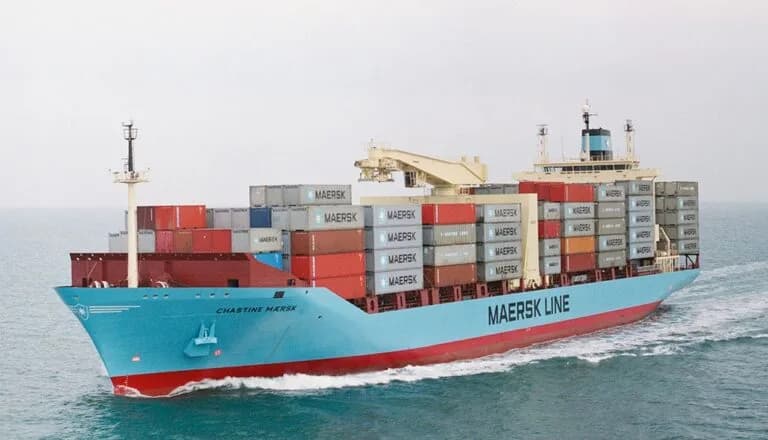
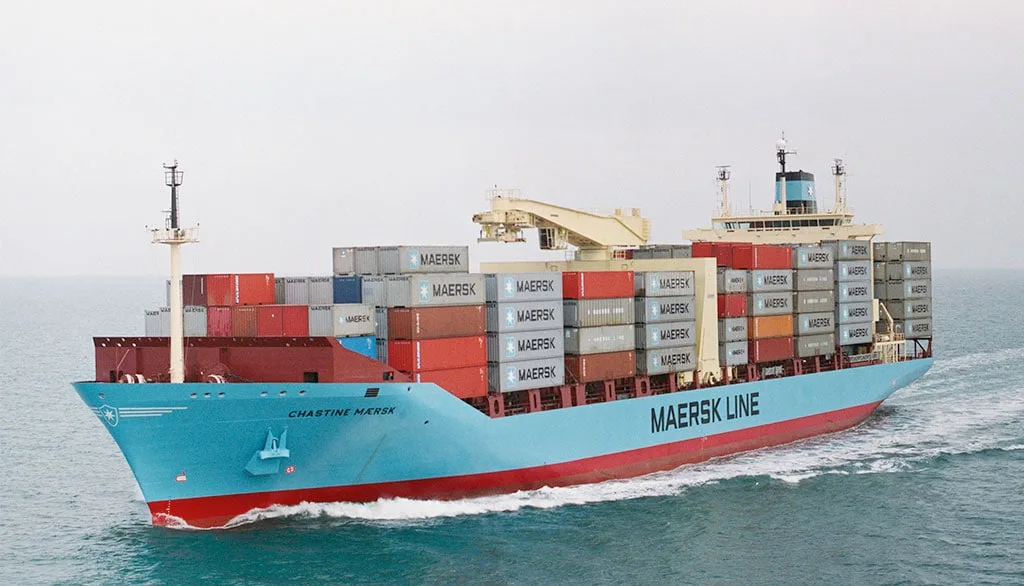
Other sizable African deep-water ports along the Cape route, such as Mombasa in Kenya and Dar es Salaam in Tanzania, lack the necessary infrastructure to handle the expected surge in traffic. Maersk, a major shipping company, indicated that vessels rerouting around the Cape would try to fuel at origin or destination. However, if bunkering en route is necessary, it would be decided on a case-by-case basis, with Walvis Bay (Namibia) or Port Louis (Mauritius) being top options.
The unpredictable weather, characterized by high seas at the “Cape of Storms” and the cyclone-prone Mozambique Channel, poses additional challenges, potentially causing ships to burn through fuel more quickly, heightening the importance of reliable refueling services. Shippers have observed increased demand for larger bunker volumes in Singapore, particularly for vessels embarking on extended voyages.