Samsung and Google looking to take on Apple’s Vision Pro
Qualcomm, one of the leading manufacturers of mobile phone processors, has unveiled the Snapdragon XR2+ chip tailored for virtual and mixed reality headsets, positioning itself against Apple's upcoming Vision Pro. Based in San Diego, Qualcomm revealed that this advanced chip, capable of supporting 12 or more high-definition cameras, has already garnered interest from tech giants
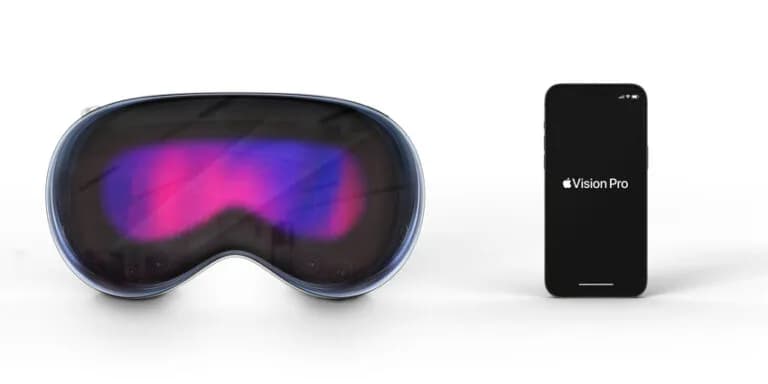
Samsung-Google-looking-to-take-on-Apples-Vision-Pro
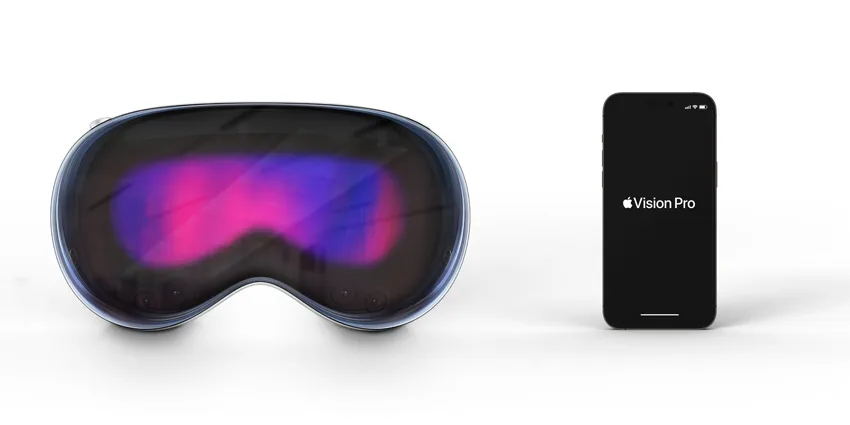
Qualcomm, one of the leading manufacturers of mobile phone processors, has unveiled the Snapdragon XR2+ chip tailored for virtual and mixed reality headsets, positioning itself against Apple’s upcoming Vision Pro.
Based in San Diego, Qualcomm revealed that this advanced chip, capable of supporting 12 or more high-definition cameras, has already garnered interest from tech giants like Samsung Electronics and Google, who are integrating it into their upcoming products.
Apple’s declaration last year about introducing a mixed-reality headset intensified interest in devices overlaying digital content onto the real world. While Qualcomm’s chips have powered numerous companies’ endeavours in this domain, mainstream adoption remains difficult to catch.
To clarify, augmented reality overlays digital elements onto the real world, whereas virtual reality immerses users entirely into a digital environment. Apple’s anticipated Vision Pro and Meta Platforms’ latest Quest 3 combine elements of both technologies. Earlier iterations of Qualcomm’s XR chip have been integral to products from Microsoft and Meta.
According to Qualcomm’s Senior Director of Product Management, Said Bakadir, the XR2+ will enhance processing and graphics capabilities by up to 20% compared to its forerunners. This advancement aims to deliver 4K-resolution visuals per lens, mitigating eye strain, minimizing motion-induced discomfort, and facilitating the introduction of innovative features. Additionally, the enhanced camera support promises improved depth perception and efficient eye-tracking for user orientation and object recognition.
Bakadir emphasized the growing demand for enhanced capabilities, stating, “There’s a strong desire for more robust performance and expanded functionalities.”
Beyond collaborations with Google and Samsung, Qualcomm is engaged with various partners. Bakadir hinted at potential product announcements from these collaborators as early as the upcoming CES event, with market availability expected within the year.