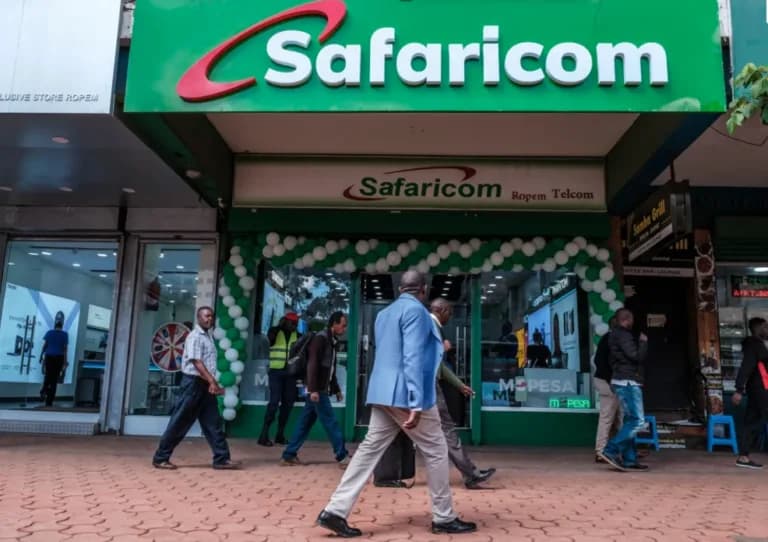
Safaricom asks shareholders to back Vodafone CEO rights
Safaricom wants shareholders to approve changes to its Articles of Association following Vodafone Kenya's move to majority ownership. The changes would give the company's largest shareholder greater influence over senior appointments. They would also remove governance rules introduced when the Kenyan government held a larger stake. Shareholders will vote on the proposals at Safaricom's annual
Safaricom asks shareholders to back Vodafone CEO rights
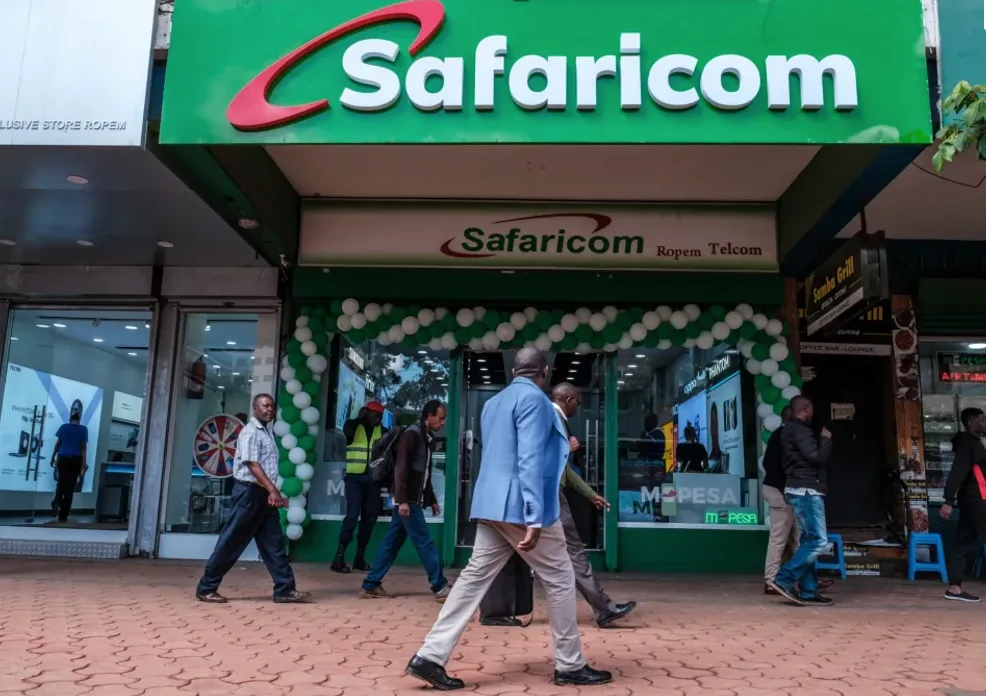
Safaricom wants shareholders to approve changes to its Articles of Association following Vodafone Kenya’s move to majority ownership. The changes would give the company’s largest shareholder greater influence over senior appointments. They would also remove governance rules introduced when the Kenyan government held a larger stake. Shareholders will vote on the proposals at Safaricom’s annual general meeting on July 31. They come weeks after Vodafone Kenya increased its stake from 40% to 55% by acquiring an additional 15% stake from the Kenyan government. If shareholders approve the changes, Vodafone Kenya would gain the right to nominate Safaricom’s chief executive officer, subject to board approval. The right would remain in place as long as it owns more than 50% of the company’s issued share capital. It would also nominate executive directors and shareholder-appointed directors during that period. The proposed amendments also state that the chief financial officer would serve as the alternate director to the chief executive while Vodafone Kenya remains the majority shareholder.
Safaricom is also seeking to update the ownership thresholds in its Articles of Association.The company would replace the current 10% and 40% thresholds with a single 50% threshold. The change reflects Vodafone Kenya’s controlling stake. The board also wants to remove the requirement for government approval before expanding beyond Kenya and Ethiopia. Future expansion would instead go through the company’s existing governance processes. The rule dates back to a time when the government had greater influence over the business. Other proposed changes update references to Vodafone Kenya and government appointed directors. They also revise the company’s reserved matters and remove provisions that no longer match its ownership structure.
Board and governance changes
The company also wants to change how its board conducts business.The changes would allow directors to attend meetings and vote electronically. They would also recognise written board resolutions, introduce a process for resolving deadlocks and broaden the circumstances under which extraordinary general meetings can be called. Safaricom is further proposing to remove the requirement that its executive committee be predominantly Kenyan. It would, however, keep board composition requirements set out under Kenyan law. The company also wants to remove the obligation to maintain a formal dividend policy. The board would instead decide future dividend recommendations.
Ownership changes
The proposed changes follow the completion of the government’s stake sale on June 30. The sale went ahead after the Court of Appeal lifted conservatory orders that had temporarily blocked the transaction. Kenya’s Capital Markets Authority also exempted Vodafone Kenya from making a mandatory takeover offer after its shareholding crossed the 50% threshold. Following the acquisition and an internal restructuring, Vodafone Kenya, a wholly owned subsidiary of South Africa’s Vodacom Group, now owns 55% of Safaricom. The Kenyan government retains a 20% stake, while public investors hold the remaining 25%. A petition challenging the government’s sale of the shares is still before the High Court. Shareholders will also vote on a final dividend of KSh1.15 per share for the year ended March 31, 2026. If shareholders approve the dividend, Safaricom will pay a total of KSh2.00 per share for the year. The company plans to make the payment on or around August 4 to shareholders on the register as of July 24.