Renewable Energy Startups Powering Off-Grid Communities
Reliable electricity and energy remains out of reach for millions of Africans, particularly in rural areas where extending national grids is slow, costly and difficult to justify economically. While governments continue to invest in electrification projects, a growing number of renewable energy startups are stepping into the gap, bringing power directly to communities that have
Renewable Energy Startups Powering Off-Grid Communities
Reliable electricity and energy remains out of reach for millions of Africans, particularly in rural areas where extending national grids is slow, costly and difficult to justify economically. While governments continue to invest in electrification projects, a growing number of renewable energy startups are stepping into the gap, bringing power directly to communities that have waited years for a grid connection. Instead of relying on large-scale infrastructure projects, these companies are building businesses around solar home systems, village mini grids, battery storage and flexible payment plans. Their focus is practical: getting electricity to homes, farms, schools and small businesses as quickly and affordably as possible.
For many families, access to electricity means no longer having to plan daily activities around daylight hours or unreliable power sources. Something as simple as charging a phone, running a small business or keeping food and medicines refrigerated becomes far easier with a dependable source of electricity.
Bringing Power to Areas the Grid Has Yet to Reach
Expanding a national electricity network into remote regions requires significant investment, particularly where populations are spread across large distances. For utilities already facing financial pressures, such projects are usually pushed down the priority list. Renewable energy startups have taken a different route, installing localised energy systems that can begin serving communities almost immediately while traditional grid infrastructure is still years away. Solar mini-grids are proving especially effective, with a single installation capable of supplying power to households, shops, schools and healthcare facilities, creating a local energy network independent of the national grid. The impact can be immediate, allowing shop owners to keep their businesses open after sunset, giving students extra hours to study and enabling clinics to safely store vaccines and medicines that require refrigeration.
Making Electricity Affordable
Technology alone has not driven the growth of the off-grid sector. Equally important has been the way companies have structured payments.
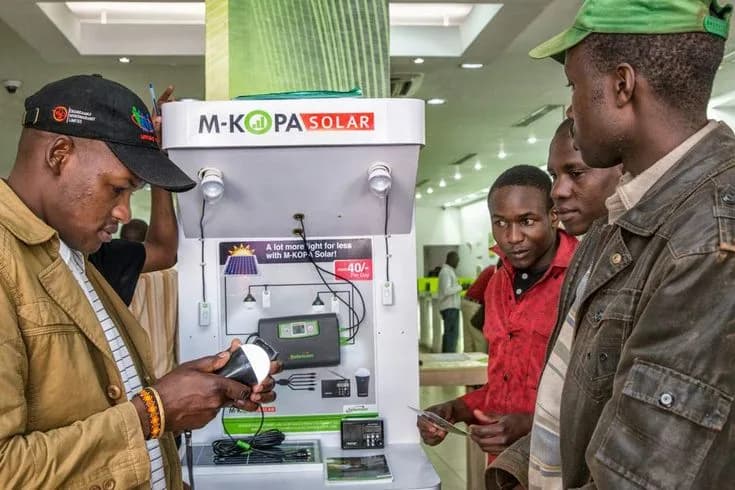
Off-grid energy companies increasingly allow customers to pay for electricity in small amounts through mobile money services. For households with irregular incomes, this approach makes solar power far more accessible than traditional financing options. The combination of mobile payments and renewable energy has opened new markets that were previously difficult to serve. Families that could not afford a complete solar installation in one payment can now spread costs over months or years.
This model has also attracted investors seeking businesses with clear revenue streams and strong demand in underserved markets. Several startups have established themselves as major players in Africa’s off-grid energy sector. Companies including M-KOPA, d.light, Bboxx and Sun King have built operations across multiple countries, supplying solar-powered systems to households and small enterprises. Their growth reflects the scale of demand for reliable electricity outside major urban centres. These businesses have shown that serving low-income and rural communities can be commercially sustainable when products are designed around local realities.
Further Expansion
Getting electricity to remote communities is never straightforward. Equipment must be transported across long distances, customers need flexible payment options and companies must continue supporting installations long after they are completed. But the fact that these businesses continue to expand simply highlights the scale of unmet demand. For millions of people, waiting for a national grid connection is not a realistic short-term option. Off-grid providers are filling that gap by delivering electricity where national grid infrastructure has not yet to reached, creating opportunities for local businesses, improving access to education and supporting essential services such as healthcare.