Pepkor’s Smartphone Rental Push Is Changing the Mobile Game
Pepkor is steadily building a sizeable cellphone business in South Africa, but not in the traditional telecoms sense. Rather than competing through network infrastructure or expensive contracts, the retailer is focusing on affordability and flexible access to smartphones. The group’s latest interim results show that its mobile business is becoming less dependent on outright handset
Pepkor’s Smartphone Rental Push Is Changing the Mobile Game
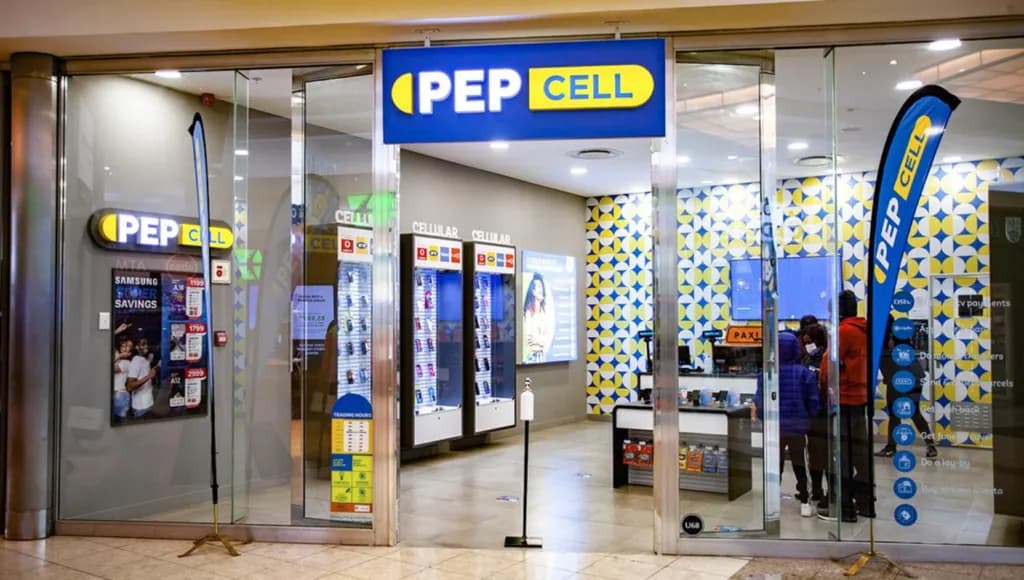
Pepkor is steadily building a sizeable cellphone business in South Africa, but not in the traditional telecoms sense. Rather than competing through network infrastructure or expensive contracts, the retailer is focusing on affordability and flexible access to smartphones.
The group’s latest interim results show that its mobile business is becoming less dependent on outright handset sales. A growing share of activity is now coming from FoneYam, Pepkor’s smartphone rental offering.
For the six months ended 31 March 2026, the FoneYam rental book increased to R2.6 billion, up from R1.7 billion a year earlier. Pepkor activated 1.3 million new FoneYam accounts during the period, bringing the active customer base to 2.4 million users.
Handset sales were relatively unchanged. Pepkor sold around 6.7 million phones across its retail brands, compared with 6.8 million during the same period last year. The numbers point to a gradual shift in the business model. Instead of relying mainly on once-off device purchases, the retailer is generating more recurring income through rentals, airtime, and related services.
FoneYam Expands Across Pepkor Stores
At Pep, handset sales rose slightly to 4.9 million units, while FoneYam activations increased by 42% to 750,000 accounts. Ackermans sold 1.6 million phones during the six-month period and added 531,000 FoneYam activations. Pepkor’s Speciality division, which includes Tekkie Town, Dunns, and Legit, also expanded the rental offering into more stores. The division sold 225,000 handsets and recorded 35,000 FoneYam sign-ups following the rollout.
More Income Coming From Monthly Services
Pepkor’s financial services division, which includes FoneYam, Capfin, Abacus Insurance, and its planned bank PlusB, generated R3 billion in revenue during the half-year period. Operating profit increased to R691 million, supported partly by growth in phone rentals and insurance products.
The company’s mobile business is also producing more recurring monthly revenue. Pepkor said its active SIM base now exceeds 30 million connections, while ongoing cellular revenue reached R1.1 billion during the six months. The retailer added that many customers are returning for second rentals after completing earlier agreements, suggesting there is continued demand for lower-cost access to newer smartphones.
Pepkor is not a network operator like Vodacom, MTN, Cell C, or Telkom. Still, its retail footprint gives it broad access to consumers across the country. The group operates more than 6,600 stores in South Africa, many of them in areas where affordability tends to matter more than premium smartphone features. With handset prices remaining under pressure from exchange rates and higher global component costs, rental-based models are becoming a more common alternative for consumers who cannot easily afford large upfront payments.
Banking Plans Continue
Pepkor is also continuing its move into banking through PlusB. The company confirmed that it submitted its Section 16 application to the Prudential Authority at the end of March 2026. The application forms part of the regulatory process required before the business can formally register as a bank. If approved, the move would further expand Pepkor’s presence across retail, lending, insurance, and mobile-related services aimed at the mass market.