Innovating Health and Safety training with virtual reality (VR)
On World Day for Safety and Health at work, the focus sharpens on the crucial role of proactive safety and continuous learning in every industry. Innovative technologies like virtual reality (VR) contribute a great deal to the advances in operational practices and boost preparedness for real-world situations. By offering immersive, realistic high-risk simulations, VR training
Innovating Health and Safety training with virtual reality (VR)
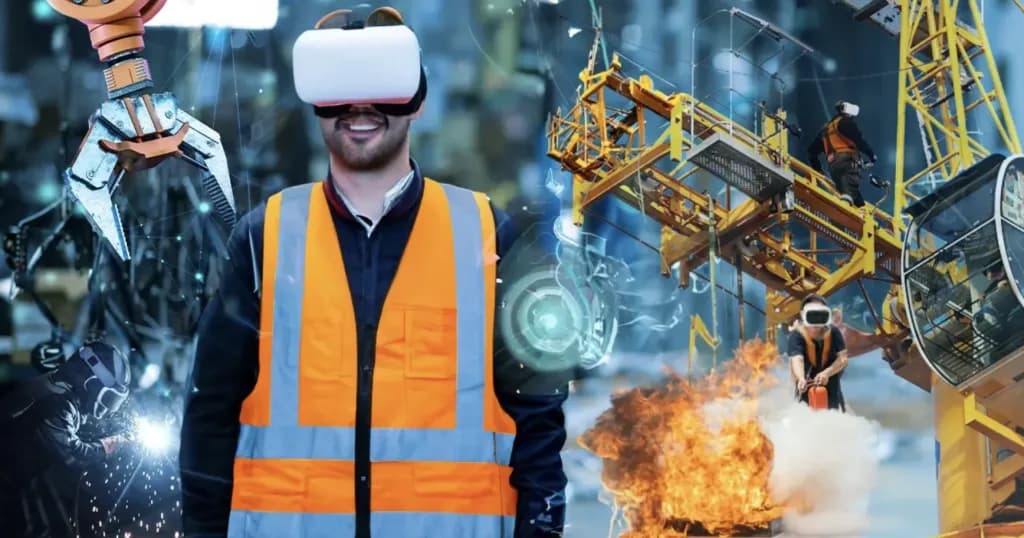
On World Day for Safety and Health at work, the focus sharpens on the crucial role of proactive safety and continuous learning in every industry. Innovative technologies like virtual reality (VR) contribute a great deal to the advances in operational practices and boost preparedness for real-world situations. By offering immersive, realistic high-risk simulations, VR training significantly enhances workplace safety and efficiency, helping industries overcome limitations of traditional methods.
Virtual Reality Adoption
Recognizing the limitations of traditional training methods in simulating real-world hazards, MSHEQ, a division of Stallion Integrated, became the first in South Africa to integrate VR into its safety training programs. This forward-thinking approach inspired others in the industry to follow suit, solidifying the innovative approach to safety.
Advantages of VR Training
VR technology enables users to create realistic, controlled environments that effectively simulate high-risk scenarios. This immersive experience significantly improves understanding and retention for users compared to traditional methods. Studies indicate a remarkable 75–80% knowledge-retention rate with VR training, compared to the 20–30% typically seen with conventional learning.read more here
Sector-Specific Success Stories
These are some of the few compelling examples of how VR training has improved safety outcomes in key sectors:
- Mining
MSHEQ developed VR modules that replicate underground evacuations and machinery operations. These modules allow trainees to practice critical response skills in a safe environment, leading to more confident and correct actions during real emergencies.
One powerful case study features a crane operator with a previously unrecognized fear of heights, identified through a VR work-at-heights simulation. This discovery prevented a potentially dangerous situation. Fortunately, the company reassigned the employee to an alternate position better suited to him.
- Construction
VR modules that focus on fall prevention and site hazard identification demonstrably improve hazard recognition during on-site audits. Users report measurable increases in compliance scores and overwhelmingly positive feedback from their employees.
- Warehousing and Logistics
While originally targeting retail, Virtual Reality training strategically expanded its focus to the warehousing and logistics sectors as well due to its significant safety training needs. VR simulations in this area address common hazards and safe operating procedures for equipment and materials handling.
Evaluating Training Effectiveness
Organizations can measure the effectiveness of VR training programs through pre- and post-assessments that quantify knowledge gain, behavioral observations by facilitators, and client feedback on incident rates and compliance improvements. Results consistently show a significant positive impact on workplace safety.
Exploring Future Innovations: AI Integration
Beyond VR, MSHEQ is also exploring the potential of artificial intelligence (AI) in shaping the health and safety landscape, particularly within the mining sector. Currently, AI analyzes data to uncover trends and identify patterns in near-miss reports and incidents. Looking ahead, AI could revolutionize mine safety in South Africa and across the African continent by enabling predictive risk assessments, AI-powered safety audits, real-time hazard detection, automated reporting systems, and tailored training programs. As digital technologies evolve, combining VR and AI presents a powerful opportunity and combination to set new benchmarks in proactive safety management, reduce incidents, and protect lives in one of Africa’s most high-risk industries.