No Free Lunch Podcast – The Future of Retail Spaces
The Future of Retail Spaces: Sandton Gate's Curated Mix and Its Impact on Urban Development Ever wondered what the next big thing in retail and urban development looks like? With the rise of mixed-use precincts, developers are reinventing shopping experiences to blend retail, residential, and office space seamlessly. In this episode, we explore the insights

No Free Lunch Podcast – The Future of Retail Spaces
20 Mar 2026
The Future of Retail Spaces: Sandton Gate’s Curated Mix and Its Impact on Urban Development
Ever wondered what the next big thing in retail and urban development looks like? With the rise of mixed-use precincts, developers are reinventing shopping experiences to blend retail, residential, and office space seamlessly. In this episode, we explore the insights from Bryce O’Donnell, Managing Director of AppCon Developments, about the Sandton Gate precinct development, a cutting-edge retail project in the heart of Johannesburg, looking to redefine urban retail in South Africa.
Discover what makes this development unique, the challenges it faces, and how integrated planning is shaping the future of shopping districts.
Listen to the Discussion Here:
The Emergence of Curated Mixed-Use Developments

The landscape of retail real estate is shifting from traditional shopping malls to curated, mixed-use precincts that combine retail, residential, and office spaces. Bryce O’Donnell emphasises that Sandton Gate is not just another shopping centre; it’s a thoughtfully designed community hub that offers a curated retail experience integrated with luxury apartments and green spaces.This approach allows for a more dynamic environment where residents can enjoy convenience and lifestyle amenities, while retailers benefit from increased foot traffic and a vibrant customer base. Bryce explains that this blend creates a self-sustaining ecosystem where different components support and boost each other. Moreover, the development’s strategic placement and curated tenant mix, focusing on flagship grocery stores like Woolworths and Checkers, premium restaurants, and experiential dining—are key to driving dwell time and making the space attractive for both tenants and visitors.
The Secrets Behind Rapid Leasing Success
One of the standout features of Sandton Gate is its quick lease-up rate, a testament to strategic planning and targeted tenant selection. Bryce shares that they took a calculated leap of faith early on by signing flagship tenants like Woolworths and Checkers before the full leasing was in place. This confident move attracted other high-quality brands because tenants wanted to trade alongside reputable anchors.To enhance the lifestyle appeal, the developers focused on high-end dining experiences—from Tite Line Fisheries in Belito to Tortellino Italian Bistro and Flammo Asian Fusion—creating a vibrant dining scene that encourages longer visits.Bryce notes that this curated approach significantly elevates the development’s desirability, making it a sought-after space for both retailers and consumers. The installation of high-end restaurants is aimed at increasing dwell time, transforming Sandton Gate into a social destination beyond just shopping.
Overcoming Challenges: Infrastructure, Traffic, and Urban Planning
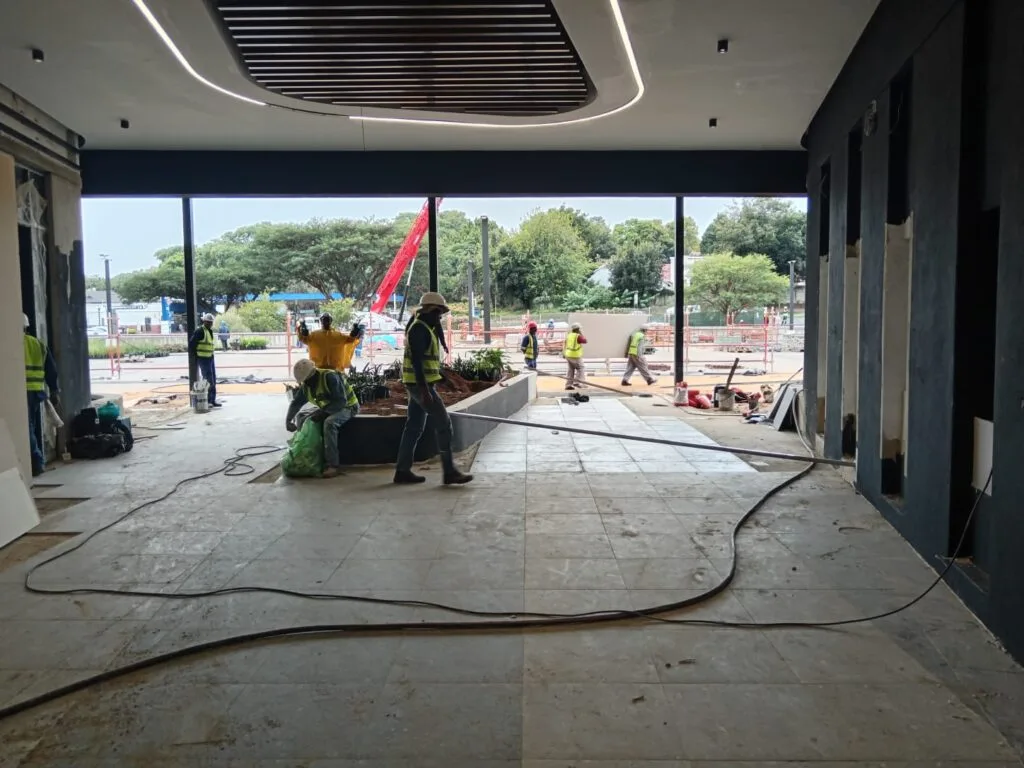
Development in high-traffic areas like Sandton comes with its own set of hurdles, from traffic congestion to infrastructure limitations. Bryce highlights that their team has proactively engaged in road upgrades on William and Delia Streets, adding turning lanes and signalised intersections to improve traffic flow.A significant insight is how private developers are stepping in to fill gaps left by municipal services. O’Donnell explains that they’ve invested in independent power solutions, water storage, private security, and waste management, creating a protected ‘island’ within the broader urban fabric.This approach not only enhances operational resilience but also sets a standard for future developments, where private initiatives help create more sustainable and attractive urban spaces. Bryce advocates for collaboration between developers and municipalities to elevate entire precincts, improving quality of life for residents and visitors alike.
The Impact of Online Shopping and the Future of Brick-and-Mortar Retail
The rise of online retail has transformed how consumers interact with shopping venues. Bryce believes that brick-and-mortar retail will not disappear; instead, it will evolve into experiential spaces that online shopping cannot replicate.He emphasises the importance of ‘third spaces’ — places where people can socialise, dine, and enjoy experiences outside their homes. Bryce points out that high-end restaurants and interactive retail environments encourage foot traffic and community engagement that online stores can’t match.To accommodate online delivery, Sandton Gate plans to streamline logistics with dedicated entries for delivery drivers and partnerships with delivery platforms like Uber Eats. This ensures a seamless experience for shoppers, combining the convenience of online orders with physical retail visits.Bryce also notes that premium restaurant experiences will largely remain dine-in-only, preserving the social and experiential aspect of dining out. The future of retail, he suggests, is about balancing digital convenience with immersive experiences.
Looking Ahead: Expansion and Future Phases
Sandton Gate is only halfway through its development journey. Bryce outlines plans for further phases, including additional office towers and residential units, creating a comprehensive precinct that offers a full ecosystem for work, stay, and leisure.The emphasis on flexibility is crucial; changes in market demand over the next five to six years will influence project phases. Bryce stresses that aligning development with evolving consumer preferences ensures long-term success.The upcoming phases will feature around 22,000 square meters of office space and hundreds of new residential units, designed to adapt to the changing needs of tenants and residents, whether that means remote-working hubs or vibrant live-work communities.