Nigerian FG installs e-gates at international airports to check harassment by immigration officers
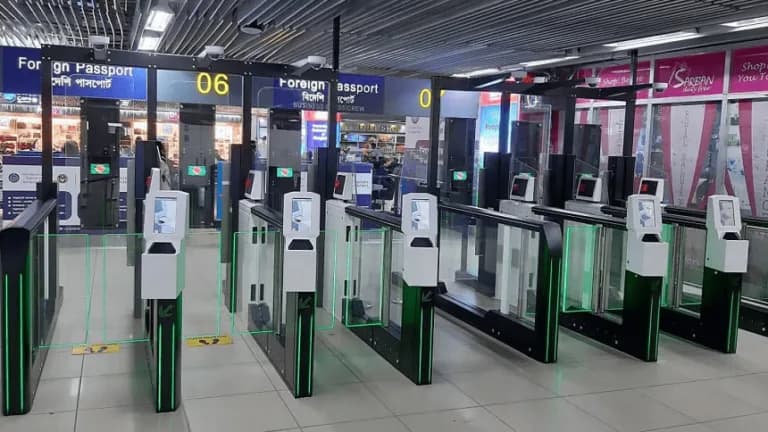
The Nigerian Federal Government has initiated the installation of E-Gates facilities at the Nnamdi Azikiwe International Airport in Abuja, according to a post by Nigeria's Minister of Interior, Olubunmi Tunji-Ojo. The E-Gates, currently being set up at the airport, aim to reduce human contact and provide a seamless entry experience for Nigerians. The Minister expressed
Nigerian FG installs e-gates at international airports to check harassment by immigration officers
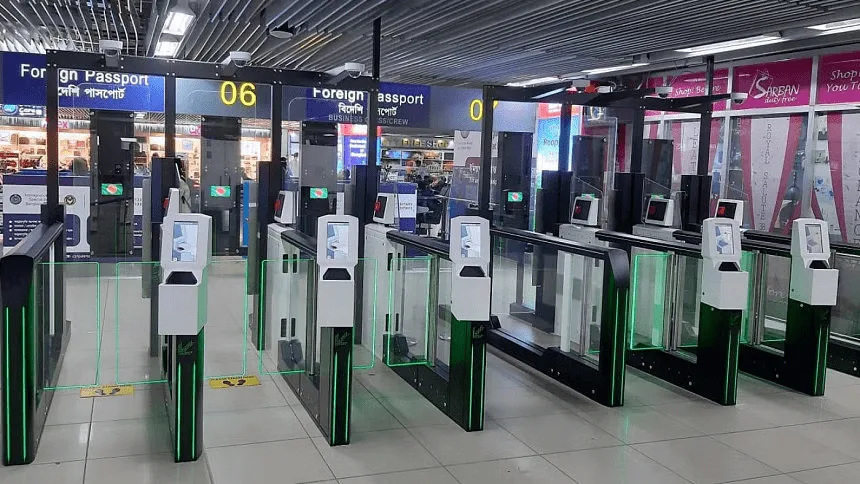
The Nigerian Federal Government has initiated the installation of E-Gates facilities at the Nnamdi Azikiwe International Airport in Abuja, according to a post by Nigeria’s Minister of Interior, Olubunmi Tunji-Ojo. The E-Gates, currently being set up at the airport, aim to reduce human contact and provide a seamless entry experience for Nigerians. The Minister expressed that once implemented across all five international airports in the country, the E-Gates will enhance national security.
In addition to overseeing the E-Gates project at the Nnamdi Azikiwe International Airport, Tunji-Ojo also evaluated the progress of the E-border data and control centre at the Nigeria Immigration Service headquarters. The E-border system is anticipated to contribute significantly to national security efforts.
The plan to implement E-Gates across all international airports was initially announced in November 2023, with a targeted completion date of February 2024. The Minister emphasized that Nigerians returning to the country would only interact with immigration officers if they are individuals of interest.
Caroline Adepoju, the acting Comptroller General of the Nigerian Immigration Service, also disclosed plans in December 2023 to enhance border security and manage migration effectively nationwide by introducing electronic gates (E-Gates) and additional logistics at airports and various entry points.
E-Gates operate through biometric verification, utilizing facial or iris recognition, fingerprints, or a combination of modalities. After the identification process is completed and the passport holder’s identity is verified, a physical barrier such as a gate or turnstile opens to allow passage. If the identification is not verified or the system malfunctions, an immigration officer will intervene.
Automated border control systems typically collect information from the biometric page of the passport, including name, sex, date of birth, passport number, passport photograph, nationality, and passport country of origin. Additional details such as travel information, visa details, and the facial biometric template may also be collected. Notably, when processed by E-Gates, passport booklets are usually no longer stamped.