Nigeria expands AI training as businesses look for people with new skills
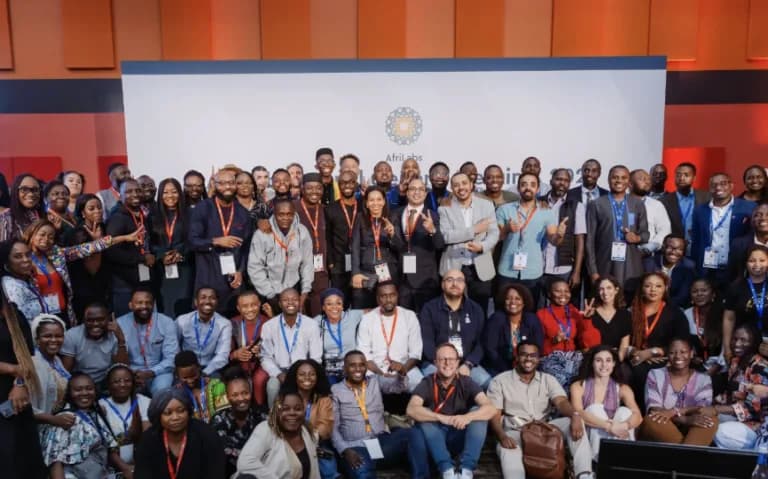
Nigeria is putting more focus on AI training, with Meta joining the government and local technology groups on a new programme aimed at building more technical skills. Meta has partnered with Nigeria’s Federal Ministry of Communications, Innovation and Digital Economy, the 3 Million Technical Talent programme (3MTT), the National Centre for Artificial Intelligence and Robotics
Nigeria expands AI training as businesses look for people with new skills
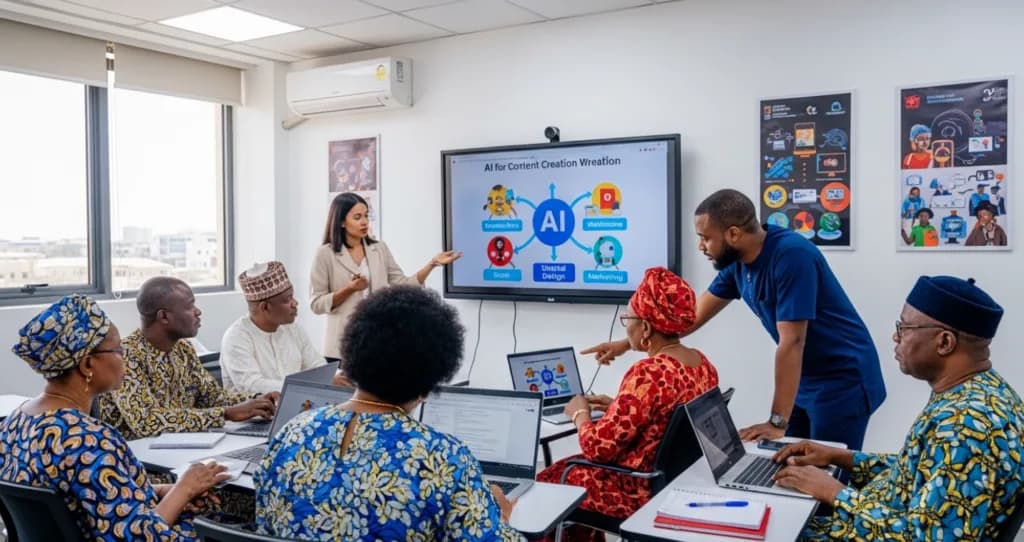
Nigeria is putting more focus on AI training, with Meta joining the government and local technology groups on a new programme aimed at building more technical skills. Meta has partnered with Nigeria’s Federal Ministry of Communications, Innovation and Digital Economy, the 3 Million Technical Talent programme (3MTT), the National Centre for Artificial Intelligence and Robotics (NCAIR) and Robotics and Artificial Intelligence Nigeria (RAIN) to launch AI Academy Nigeria. The programme will train developers, students, startups and people starting out in technology. Some participants will also get technical support and access to startup opportunities. For Nigeria, this comes as companies are starting to use AI in areas such as software, customer service, marketing and data. But training more people does not solve the employment problem on its own. Someone still has to hire them.
The programme includes funding and practical work
People in the 3MTT community will get access to courses covering generative AI, prompt engineering, data analytics and applications built with Meta’s Llama models. The courses will be available through platforms including Coursera, DeepLearning.AI and DataCamp. RAIN will also run a six-week developer bootcamp focused on building AI applications. That is probably the more useful part for someone trying to get into the industry. There is a difference between completing an online course and being able to build something a business can use. The programme also includes a startup pitch competition. Ten Nigerian AI startups will be selected to pitch at GITEX Nigeria. Two winners will receive $5,000 each, along with $2,000 in Meta advertising credits. They will also get an opportunity to pitch at Meta’s AI Summit in Istanbul. $5,000 will not take a startup very far. It can, however, cover some early development, cloud costs or customer testing. AI Academy Nigeria is being added to 3MTT, which was launched with a target of developing three million technical workers in Nigeria. The programme already covers software development, data science, cybersecurity, cloud computing and AI. So this is not Nigeria starting from scratch. There are already people learning technical skills. The issue is whether businesses are creating enough work for them.
SMEs could be part of the answer
The jobs created by AI will not all come from big technology companies. A small retailer may need someone to work with customer data. A logistics company may want help automating parts of its operations. A financial services business could need someone to build an internal tool. A marketing agency may need an employee who knows how to use AI properly rather than simply producing more social media posts. These are smaller jobs. They may not even have “AI” in the job title. But they still require people who understand the technology. Nigeria has a large number of small businesses. If more of them start using AI, they could become an important source of demand for these skills. Nigerian technology workers already work for companies in other countries. AI gives them another service they can sell. A developer in Lagos can work on software for a company in Europe. A data specialist can work remotely for a US business. A Nigerian startup can build a product for another African market. That matters because the work does not necessarily have to come from Nigerian companies. If Nigerian developers can sell AI-related services abroad, the country can earn from those skills without the workers having to leave.
The startups still need customers
The funding available through the programme is useful, but it is not the hardest part of building a company. Finding customers is. An AI startup can have good developers, access to training and a small amount of funding and still fail to find anyone willing to pay for its product. The pitch competition could help founders meet investors and potential customers. But after the event, the same question remains. Who is going to buy the product? Nigeria can count how many people join the programme. It can count how many finish the courses. Those numbers will not tell us whether it worked. The more useful figures will come later. How many people found jobs? How many companies hired them? How many startups found paying customers? How many Nigerian developers won contracts from companies outside the country? Those are the numbers that will show whether the training made a difference. Nigeria is building a bigger pool of people with AI skills. The next challenge is making sure there is enough work for them.