Namibia Adopts RASME for Advanced Digital Project Monitoring
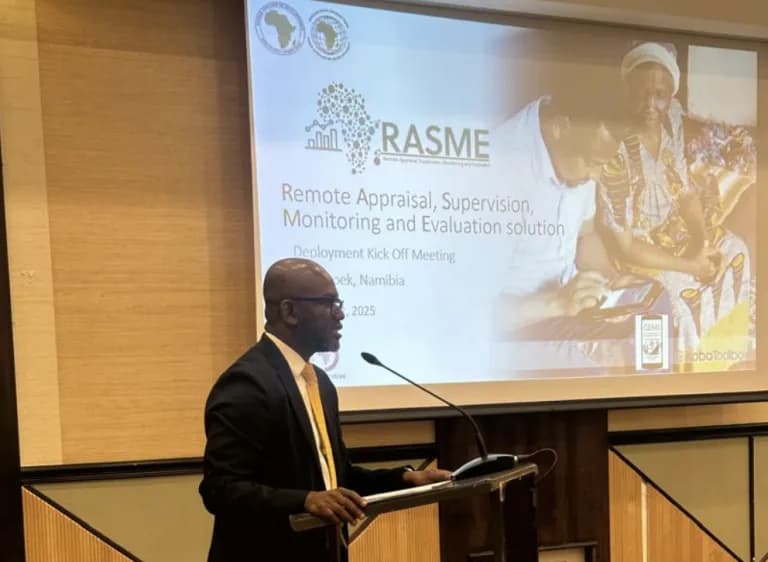
Namibia officially launched the Remote Appraisal, Supervision, Monitoring, and Evaluation (RASME) initiative, introducing a digital system designed to strengthen oversight of development projects. Moreover, the project, implemented by the African Development Bank (AfDB) in collaboration with the Namibian government, places the country among 37 African nations already utilizing real-time data tools for project management. Transforming
Namibia Adopts RASME for Advanced Digital Project Monitoring
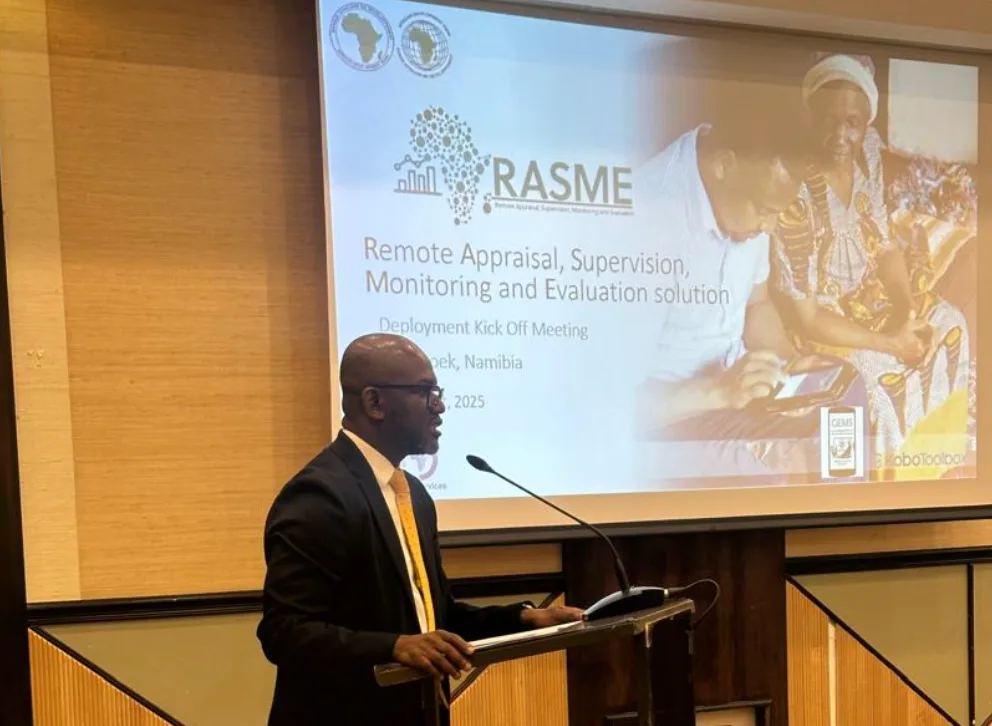
Namibia officially launched the Remote Appraisal, Supervision, Monitoring, and Evaluation (RASME) initiative, introducing a digital system designed to strengthen oversight of development projects. Moreover, the project, implemented by the African Development Bank (AfDB) in collaboration with the Namibian government, places the country among 37 African nations already utilizing real-time data tools for project management.
Transforming Project Oversight
RASME enables officials to collect, analyze, and verify project data directly from implementation sites. Previously, monitoring efforts were constrained by remote locations, logistical challenges, and limited access to timely information. Consequently, by capturing real-time data, RASME allows decision-makers to respond quickly to emerging challenges. Additionally, it helps optimize resource allocation and ensures that projects are implemented effectively.
The Technology Behind RASME
The initiative relies on Kobo Toolbox, an open-source ICT platform developed by the Harvard Humanitarian Initiative. Kobo Toolbox is designed to function in challenging environments, providing data collection solutions even in areas with limited accessibility or security concerns. As a result, its integration improves transparency, accountability, and operational efficiency for development projects.
Continental Impact and Adoption
Across participating countries, RASME has trained over 1,880 professionals and recorded more than 56,252 data submissions. These achievements demonstrate the platform’s effectiveness in standardizing data collection, enhancing project supervision, and improving reporting processes for both national authorities and funding partners.
Training for Namibian Projects
From 6 to 8 August 2025, a three-day training program prepared Project Management Units to implement RASME effectively. During the training, attendees included representatives from:
- Namibia Agricultural Mechanization and Seed Improvement project
- Development Bank of Namibia
- Namibia Transport Infrastructure Improvement project
- City of Otjiwarongo Wastewater Treatment and Solid Waste Management project
- Water Sector Support Programme
- Tax Administration Technical Assistance project
Government and AfDB Support
Michael Humavindu, Executive Director at Namibia’s Ministry of Finance, highlighted the platform’s capacity to optimize data collection, analysis, and management within Bank-funded projects. Similarly, Fidelis Mnyanyi, Principal Regional Coordinator at AfDB, emphasized that RASME aligns with the Bank’s High-5 priorities. He explained that real-time verification and reporting improve supervision, accelerate decision-making, and ensure measurable outcomes for development projects.
Enhancing Accountability and Results
RASME enables Namibia to adopt a digital-first approach to project management. By addressing challenges related to logistics, security, and accessibility, the system strengthens governance and ensures projects are implemented according to schedule and objectives. Furthermore, the initiative provides a practical example of how technology can improve oversight, support evidence-based decision-making, and enhance the impact of development funding. Namibian authorities can now monitor multiple projects simultaneously, identify issues early, and optimize interventions to achieve tangible results for communities.
With RASME now operational, Namibia is set to streamline project evaluation, enhance accountability, and maximize development outcomes. In addition, the initiative establishes a framework for more efficient, data-driven project management, supporting sustainable development and measurable improvements in key sectors.