MTN Nigeria to Construct West Africa's Largest Data Centre
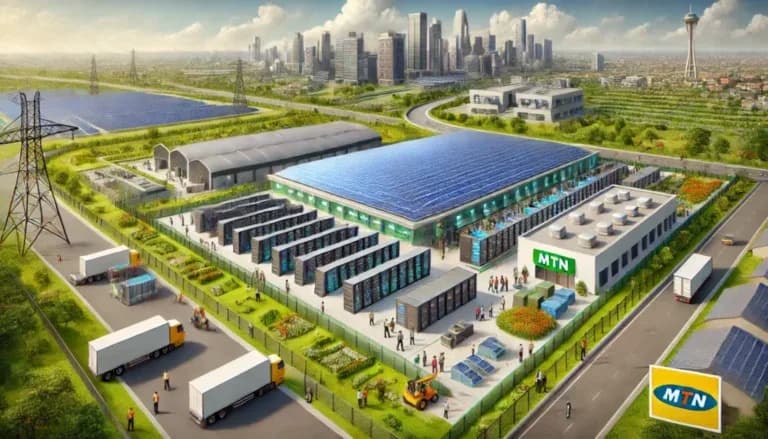
MTN Nigeria has officially announced the construction of the largest data centre in West Africa, featuring a 1,500-rack capacity and Tier 4 infrastructure within the country. The News Agency of Nigeria reports that a Tier 4 data centre is designed to be completely fault-tolerant, offering redundancy for every component and an expected uptime of 99.995%.
MTN-Nigeria-to-Construct-West-Africas-Largest-Data-Centre
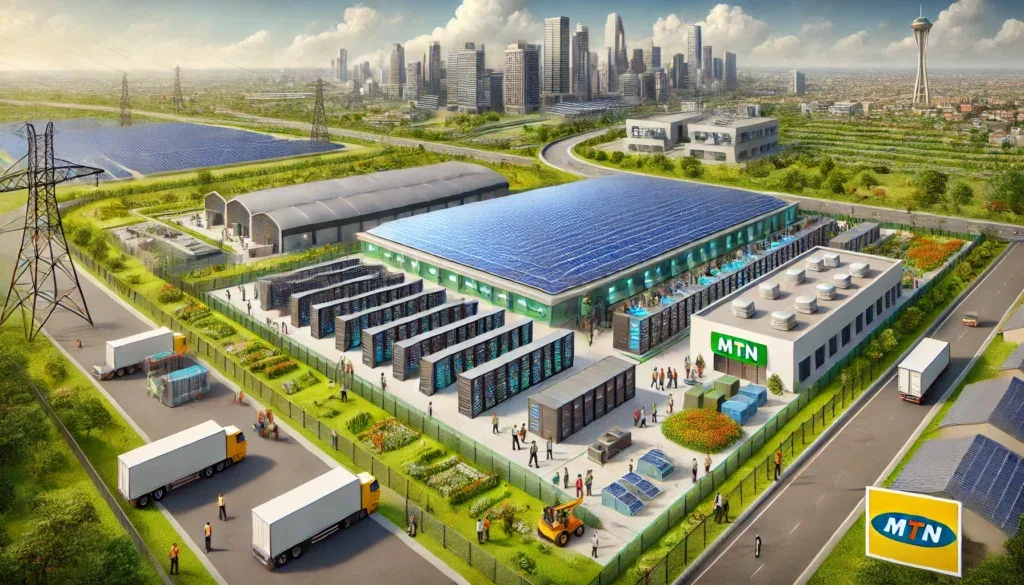
MTN Nigeria has officially announced the construction of the largest data centre in West Africa, featuring a 1,500-rack capacity and Tier 4 infrastructure within the country.
The News Agency of Nigeria reports that a Tier 4 data centre is designed to be completely fault-tolerant, offering redundancy for every component and an expected uptime of 99.995%. This high level of reliability means the facility can withstand a wide range of potential disruptions, providing the most dependable infrastructure available.
MTN’s Chief Technical Officer, Mohammed Rufai, highlighted the significance of this project in enhancing Nigeria’s digital infrastructure. Speaking to newsmen in Lagos, Rufai emphasized that the new data centre is poised to meet the increasing data demands and digital needs of businesses and consumers across the country.
Rufai stated that the data centre will not only support MTN’s infrastructure but also serve as a critical resource for businesses throughout Nigeria. “Businesses that require data centre capacity can now forgo maintaining their server rooms. Our facility will provide the space and services needed, enabling companies to digitalize their operations and improve efficiency,” he explained.
Additionally, the data centre will improve the delivery of content from major tech companies like Meta and Google, bringing content closer to Nigerian users and enhancing access speeds. Rufai underscored that this local hosting of content will significantly boost user experience and network efficiency.
The need for expanded data processing capabilities is driven by substantial growth in data usage and the emergence of new services. “We see a high demand in the market, with data usage growing significantly. To cater to this demand and prepare for future growth, MTN is expanding and modernizing its data centre capacity,” Rufai noted.
Beyond being a technological investment, the project is also seen as a catalyst for economic growth. By providing scalable and adaptable infrastructure, it will enable businesses, particularly Micro, Small and Medium Enterprises (MSMEs), to leverage cloud services and other digital solutions. This, in turn, is expected to drive innovation, efficiency, and competitiveness across various sectors of the economy.
Rufai emphasized MTN’s readiness to partner with startups and MSMEs, offering numerous opportunities for collaboration, particularly in cloud services. Aligned with MTN’s Ambition 2025 strategy, the data centre underscores the company’s commitment to Environmental, Social, and Governance (ESG) goals.
The facility will utilize efficient cooling systems and a combination of traditional energy sources, gas, and renewable energy. Rufai highlighted the importance of these energy measures, noting that they would significantly reduce the facility’s carbon footprint. “Up to 60% of the power consumption of a typical data centre in our climate is for cooling. MTN’s highly efficient systems will ensure it meets sustainability targets,” he concluded.
Main Image: Africa Briefing