MTN Ghana and Huawei Deploy World’s First Large-Scale Alpha Antenna Network
MTN Ghana and Huawei have completed what they describe as the world’s first large-scale rollout of the Alpha antenna. The new radio system is designed to support more automated mobile networks. Announced on 14 February 2026, the deployment places Ghana among the early markets testing this type of telecom infrastructure. It also reflects Huawei’s broader
MTN Ghana and Huawei Deploy World’s First Large-Scale Alpha Antenna Network
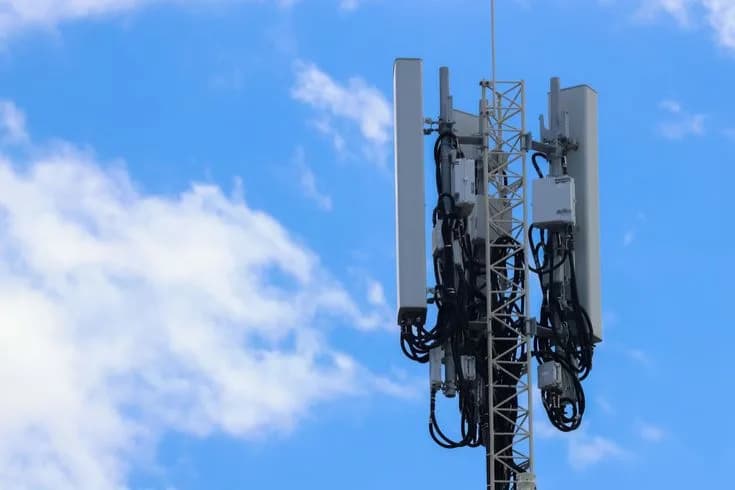
MTN Ghana and Huawei have completed what they describe as the world’s first large-scale rollout of the Alpha antenna. The new radio system is designed to support more automated mobile networks. Announced on 14 February 2026, the deployment places Ghana among the early markets testing this type of telecom infrastructure. It also reflects Huawei’s broader push toward networks that require less manual management.
The Alpha antenna differs from a typical equipment upgrade because key monitoring and configuration functions are built into the hardware. Two integrated components make this possible. The Antenna Information Sensor Unit (AISU) collects real-time technical data from the site, while the Array Information Mapping Unit (AIMU) maps the network’s structure. Together, they allow the antenna to adjust coverage, beam direction, and capacity automatically. As a result, technicians need to visit sites far less often.
Operational Gains
Early figures show a 6.8% increase in regional data traffic following the rollout. Operations and maintenance efficiency has also improved significantly. According to MTN, site visits have dropped sharply as many adjustments can now be handled remotely.
For MTN, the upgrade is about more than reducing maintenance work. Mobile data consumption continues to grow each year, placing greater pressure on network capacity. Operators must also support new services such as high-definition streaming, connected devices, and other data-heavy applications.
Huawei also stands to gain from the deployment. The company has promoted automated network systems for years, but large commercial rollouts remain limited. The Ghana project offers a practical example of how the technology performs in a live network rather than a controlled test environment.
Implications for Ghana’s Network Performance
Over time, the deployment could influence Ghana’s broader digital landscape. Mobile connectivity has improved steadily in recent years. Even so, the country remains outside Africa’s fastest mobile internet markets. Urban congestion and uneven performance continue to affect some areas.
Upgrading radio infrastructure alone will not change rankings overnight. However, more responsive network equipment could gradually improve reliability and capacity, especially in high-traffic locations.