Mitigating IoT Hurdles Can Unlock Billions for SA
With an anticipated annual growth rate of 13.28%, the South African IoT (Internet of Things) market is poised to achieve an impressive US$11.32 billion by 2028. This surge is primarily attributed to the commercial, mining, agriculture, and manufacturing sectors, which are actively adopting intelligent solutions for water and energy management. Dr. Andrew Dickson, Engineering Executive
Mitigating IoT Hurdles Can Unlock Billions for SA

With an anticipated annual growth rate of 13.28%, the South African IoT (Internet of Things) market is poised to achieve an impressive US$11.32 billion by 2028. This surge is primarily attributed to the commercial, mining, agriculture, and manufacturing sectors, which are actively adopting intelligent solutions for water and energy management.
Dr. Andrew Dickson, Engineering Executive at CBI-electric: low voltage, emphasizes that while IoT serves as a catalyst for the country’s development across various sectors, there is a need for further efforts to propel South Africa into the digital future.
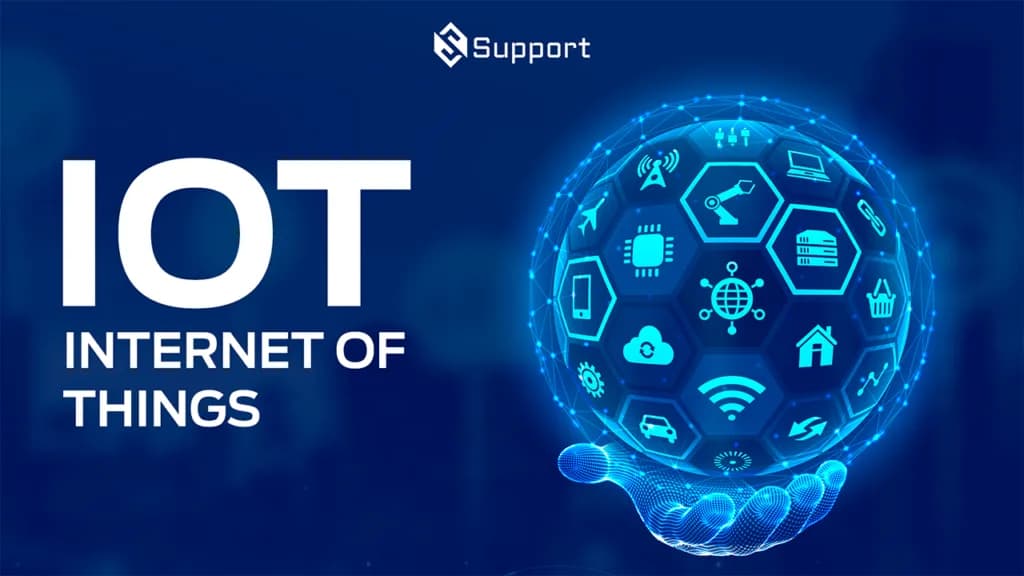
“IoT, an abbreviation for the Internet of Things, signifies a profound technological shift that establishes connections between physical objects and devices to the internet, enabling them to gather, exchange, and share real-time data,” he explains.
“Fundamentally, it merges the tangible world with the digital realm by embedding sensors, software, and network connectivity into everyday items, spanning from household appliances to industrial machinery and even wearable devices. These intelligent ‘things’ generate a continuous flow of data, which can be monitored, analyzed, and controlled remotely to enhance efficiency, automation, and decision-making across diverse domains.”
“The data-gathering capabilities of this technology pave the way for innovation,” he points out. “Through the collection and analysis of data, we can optimize resource utilization and identify and address challenges across a myriad of sectors. This comprehensive view enables intelligent decision-making and more effective resource allocation, benefiting areas such as energy management, water conservation, and resource management and optimization.”
Dr. Dickson further notes that South Africa’s IoT journey not only addresses immediate challenges but also has the potential to position the nation as an IoT development and expertise hub, not only within Africa but on the global stage.
“Successful IoT use cases established in South Africa can be replicated across other countries, given the right infrastructure and design. This has the potential to advance South Africa as a significant contributor to the global IoT landscape.”
He notes that the country is currently faced with hurdles on its path to IoT expansion which need to be mitigated. These include:
Load shedding and energy availability: One of the most glaring issues facing South Africa is the perennial problem of energy availability, epitomised by load shedding. However, it’s essential to recognise that the real challenge lies not just in load shedding itself but in the constant vulnerability of energy supply, hindering the widespread adoption of IoT solutions.
Network infrastructure: Recent disruptions in network infrastructure, such as fibre optic outages, have raised concerns about the reliability of connectivity and its potential to prevent the seamless adoption of smart technologies.
Economic stability: The broader economic landscape in South Africa presents formidable hurdles due to limitations in disposable income. The soaring costs of energy, exemplified by an 18% tariff increase and potential further hikes, necessitate a more strategic approach to energy consumption management.
Hesitation among prospective users: The unfamiliarity of new technology often breeds reluctance among potential users, especially those in the older demographic. In the early stages of IoT adoption, recommendations from trusted sources play a pivotal role in dispelling uncertainties.
Regulatory framework and policy implications: South Africa currently lacks comprehensive regulatory frameworks tailored specifically to IoT with existing regulations tending to focus on discrete areas like cybersecurity. This gap poses concerns about data privacy and security, acting as a deterrent to IoT adoption. Therefore, South Africa needs to establish a more comprehensive and holistic governance framework addressing IoT-related security and data protection.
To overcome these challenges, Dr. Dickson underscores the pivotal role of collaborative partnerships.
“Forging collaborations among government entities, industry stakeholders, and research institutions is a vital necessity to create an environment conducive to the expansion of IoT in South Africa. These partnerships play a crucial role in facilitating large-scale development and showcasing the potential of IoT products. Simultaneously, research institutions are indispensable for advancing IoT technologies through the exploration of real-world use cases, laying the foundation for a comprehensive understanding of broader systems.”
“As South Africa stands on the verge of an IoT revolution poised to address critical challenges and unlock the benefits of innovation, efficiency, and sustainable development across various sectors, we find ourselves at a juncture where transformative changes are essential to fully harness the potential of IoT. This transformation will elevate the country’s standing as an IoT hub and, in turn, attract the international IoT market, fostering economic benefits,” concludes Dr. Dickson.
Main image: Connected Platforms