Microsoft Steps Back from OpenAI Board Observer Seat
Microsoft has handed over its board observer seat at OpenAI, which had been a point of regulatory scrutiny in both Europe and the United States. The tech giant explained that this decision follows significant improvements in OpenAI's governance over the past eight months. The non-voting observer position was assumed by Microsoft in November last year
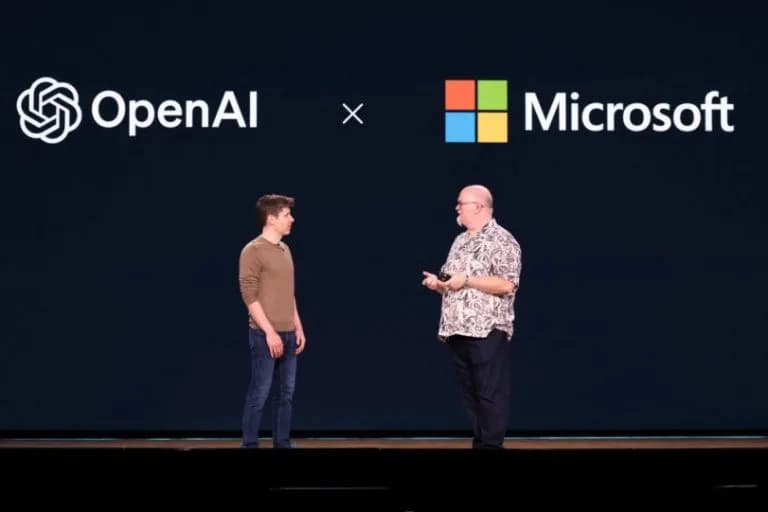
Microsoft-Steps-Back-from-OpenAI-Board-Observer-Seat
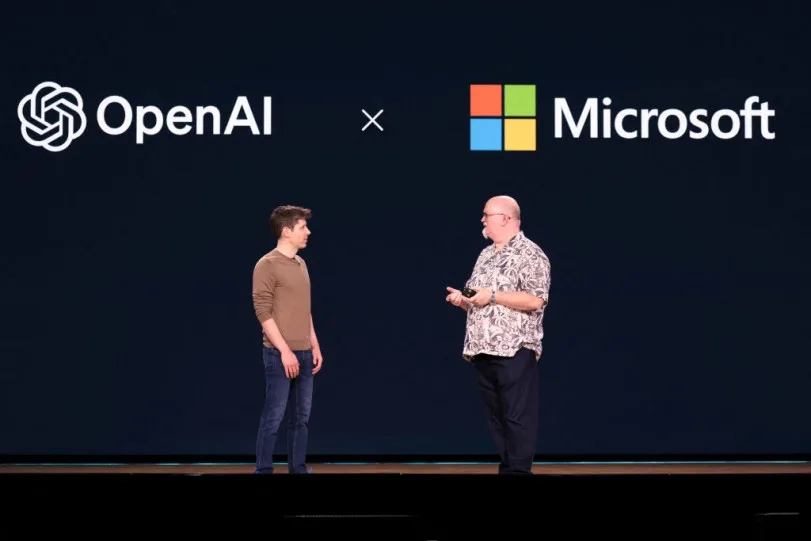
Microsoft has handed over its board observer seat at OpenAI, which had been a point of regulatory scrutiny in both Europe and the United States. The tech giant explained that this decision follows significant improvements in OpenAI’s governance over the past eight months.
The non-voting observer position was assumed by Microsoft in November last year after OpenAI’s CEO, Sam Altman, returned to lead the company known for its popular generative AI chatbot, ChatGPT. This seat allowed Microsoft to attend OpenAI’s board meetings and access confidential information without having voting rights, including in matters such as electing directors.
However, the combination of this observer seat and Microsoft’s substantial investment exceeding $10 billion in OpenAI has raised antitrust concerns among regulatory bodies in Europe, the UK, and the US regarding the extent of Microsoft’s control over OpenAI.
Microsoft cited several reasons for its decision to step back, including OpenAI’s new partnerships, innovation, and a growing customer base since Altman’s return. In a letter dated July 9, Microsoft stated, “Over the past eight months we have witnessed significant progress by the newly formed board and are confident in the company’s direction. Given all of this, we no longer believe our limited role as an observer is necessary.”
Last month, EU antitrust regulators indicated that the partnership would not fall under the bloc’s merger rules since Microsoft does not control OpenAI. However, they intend to seek third-party opinions on the exclusivity clauses within the agreement. In contrast, the UK and US antitrust authorities remain concerned about Microsoft’s influence over OpenAI and the start-up’s independence.
Both Microsoft and OpenAI are vying to sell AI technology to enterprise customers, aiming to generate revenue and demonstrate their independence to regulators in light of antitrust concerns. Additionally, Microsoft is broadening its AI offerings on the Azure platform and has hired the CEO of Inflection to lead its consumer AI division, a move seen as an attempt to diversify beyond its partnership with OpenAI.
Main Image: Venture Capital Post