Founder Fridays: The Legacy Collective Academy
Leadership is often associated with titles, authority, and visibility. For Khanyisa Malamule, leadership begins much earlier and in places that are often overlooked. These spaces include families, communities, and everyday responsibilities. Through her work, she is challenging traditional definitions of leadership. She also encourages women to see influence not simply as a role they inherit,
Founder Fridays: The Legacy Collective Academy
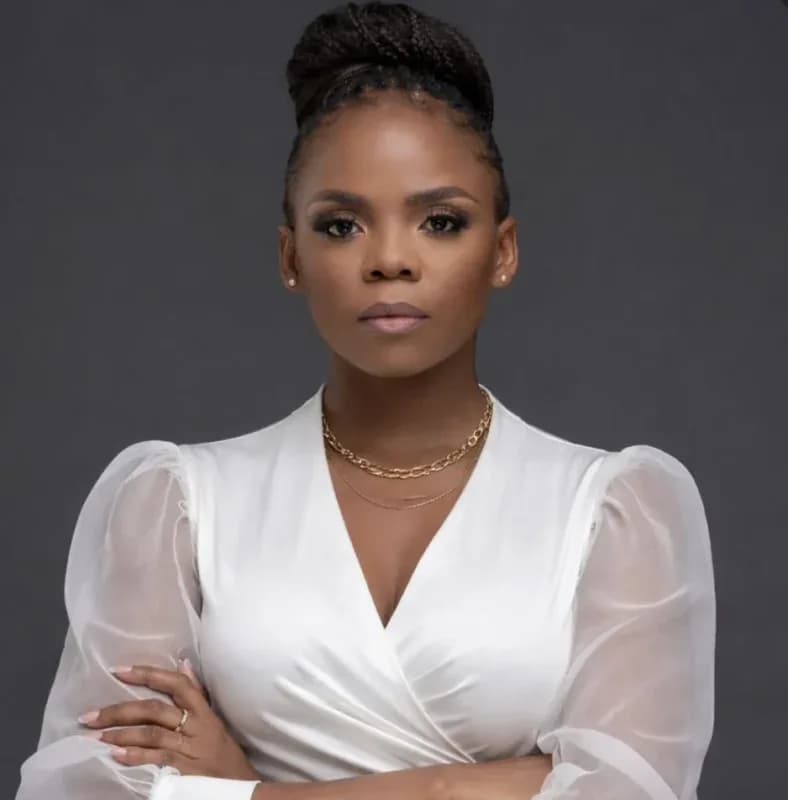
Leadership is often associated with titles, authority, and visibility. For Khanyisa Malamule, leadership begins much earlier and in places that are often overlooked. These spaces include families, communities, and everyday responsibilities. Through her work, she is challenging traditional definitions of leadership. She also encourages women to see influence not simply as a role they inherit, but as something they can intentionally shape.
Khanyisa is the founder of The Legacy Collective Academy, a leadership development platform. The academy helps women understand leadership through identity, emotional intelligence, and generational impact. The initiative was created in response to a pattern she observed among many high-capacity women. Many were already carrying leadership responsibilities long before they held formal positions.
“Many women are already leading long before they are recognised as leaders,” she explains. “They hold families together, support communities, and carry professional responsibilities. Often they do this without the language or space to process what that leadership means.”
Through The Legacy Collective Academy, Khanyisa has built programs, conversations, and learning spaces. These are designed to help women move from obligation-driven leadership to intentional influence. The goal is not only professional growth. It is also about understanding identity and the long-term impact individuals can have within their families and communities.
The Firstborn Daughter Experience
One of the distinctive themes within her work is the experience of firstborn daughters. Khanyisa believes this role carries both strength and silent pressure in many families. Firstborn daughters are often seen as dependable problem-solvers and emotional anchors. Yet they frequently grow up carrying responsibilities that are rarely acknowledged.
“For a long time, the experience of the firstborn daughter was treated as normal, almost invisible,” Khanyisa says. “But when you start listening closely to women’s stories, you realise that many are navigating the same expectations and pressures.”
These conversations eventually led to the creation of the Firstborn Daughters Convention. The gathering provides women with a reflective and supportive environment. Here they can explore identity, leadership, family dynamics, and generational patterns. The event encourages women to pause and reflect on inherited roles. It also helps them begin shaping leadership that is chosen rather than assumed.
Communication, Storytelling and New Conversations
Khanyisa’s work is also informed by her academic background. She studied Development Communication at the University of the Witwatersrand. She later completed a BA in Strategic Brand Communication at Vega School. These disciplines shaped how she approaches storytelling and leadership development.
Development Communication introduced her to how narratives shape societal understanding. Strategic Brand Communication showed her the importance of positioning and messaging. Today, both perspectives influence how she builds platforms and conversations. Her goal is to encourage people to rethink their experiences and roles.
Beyond events and learning programs, Khanyisa also hosts The Legacy Collective Podcast. The podcast explores themes of identity, leadership, and generational responsibility. Through discussions with guests and community voices, it examines how personal experiences connect to broader cultural patterns.
One insight has appeared repeatedly in these conversations. Unresolved identity questions often influence leadership behaviour.
“Many people are capable and successful,” she explains. “But they are still navigating inherited ideas about duty, sacrifice, and worth. When we begin to unpack those narratives, people often gain clarity about how they want to lead and live.”
A Book That Invites Deeper Questions
Her upcoming book, Are We There Yet, expands on these ideas. It explores the silent pressures many women carry as they balance expectations, ambition, and responsibility. Writing the book allowed Khanyisa to create a slower and more reflective space for these conversations.
“Books allow readers to pause and revisit ideas,” she says. “I wanted to create something women could return to when they are asking deeper questions about their journeys.”
The book draws on both personal experiences and conversations with women she has encountered through her work. Through these stories, readers can recognise shared patterns. It also encourages them to redefine success and leadership on their own terms.
Leadership Rooted in Self-Awareness
For Khanyisa, leadership cannot be separated from emotional awareness and self-reflection. While traditional leadership models often prioritise performance and results, she believes sustainable leadership requires a deeper understanding of the individual behind the role. “Leadership without self-awareness is rarely sustainable,” she says. “Emotional intelligence and healing allow leaders to operate with clarity, resilience, and responsibility.”
As her platforms continue to grow, Khanyisa remains focused on creating reflective spaces where women can reconnect with their identities and develop leadership that aligns with their values.
Her message to women navigating responsibility in their personal and professional lives is simple but powerful: strength should never come at the cost of wholeness. “The strength you’ve developed through responsibility is real and valuable,” she says. “But you are also allowed to question expectations and choose the kind of life and leadership you want to build.”
Read about other FOUNDERS Here