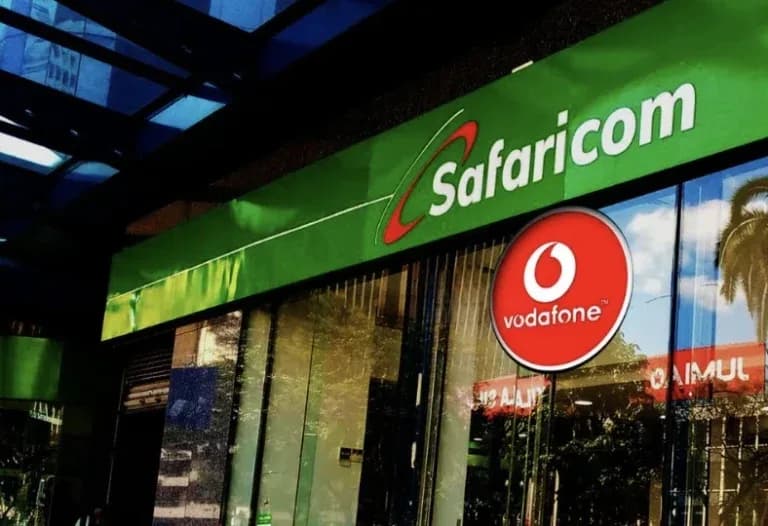
Kenya Offloads 15% Safaricom Stake in $1.8 Billion Vodacom Transaction
Kenya’s Parliament has approved a 15% stake sale in Safaricom to Vodacom, a deal that will increase Vodacom’s control of the telecom operator. Valued at 240 billion Kenyan shillings (about $1.8 billion), the deal will inject fresh capital into Kenya’s National Infrastructure Fund. The government plans to channel these funds into its economic recovery strategy,
Kenya Offloads 15% Safaricom Stake in $1.8 Billion Vodacom Transaction
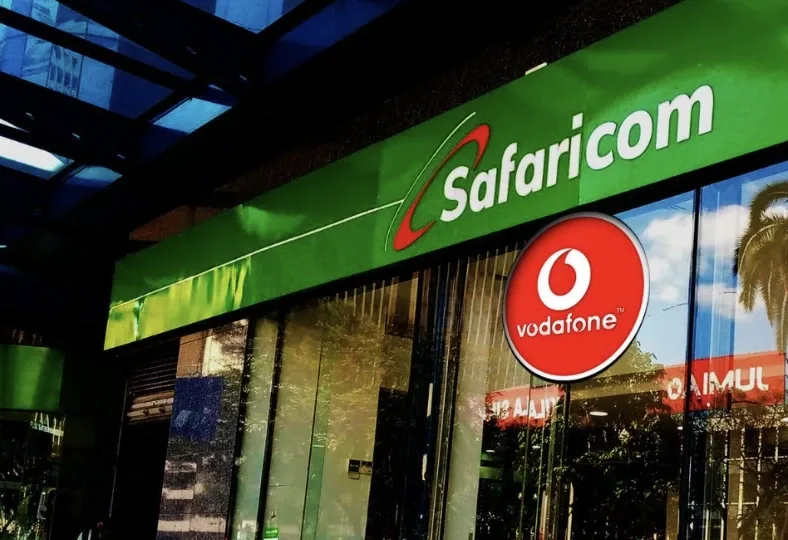
Kenya’s Parliament has approved a 15% stake sale in Safaricom to Vodacom, a deal that will increase Vodacom’s control of the telecom operator.
Valued at 240 billion Kenyan shillings (about $1.8 billion), the deal will inject fresh capital into Kenya’s National Infrastructure Fund. The government plans to channel these funds into its economic recovery strategy, with targeted investments in transport, energy, and digital connectivity.
Lawmakers have also authorized the Kenyan Treasury to sell 6 billion shares at 34 shillings each through a block transaction on the Nairobi Securities Exchange, beginning April 1.
Once completed, the transaction will reduce public ownership in Safaricom to 20%, while lifting Vodacom’s stake to over 50% and handing it majority control. Authorities argue that the deal will unlock funding for critical public investments, while built-in safeguards aim to protect jobs and preserve the interests of local partners.
Opposition, Safaricom’s Role, and Vodacom’s Vision
Despite government backing, the deal has drawn criticism from opposition leaders. They argue that the asset may be undervalued and caution that Kenya risks losing influence over a company that plays a central role in its strategic and economic interests.
Safaricom remains a cornerstone of Kenya’s digital economy, having reported revenues exceeding 390 billion Kenyan shillings in its latest fiscal year. Its continued growth in data services, alongside the widespread adoption of M-Pesa, reinforces its dominant market position.
For Vodacom, the acquisition aligns closely with its “Vision 2030” strategy, which focuses on expanding across high-growth African markets and strengthening its digital ecosystem. With an existing presence in Tanzania, the Democratic Republic of Congo, and Mozambique, the company is well positioned to build on this momentum.
By securing a majority stake in Safaricom, Vodacom gains the scale to unlock operational efficiencies, deepen technology integration, and accelerate regional expansion particularly into emerging markets such as Ethiopia.