Kenya Court Extends Block on Safaricom Stake Sale to Vodacom
Kenya’s High Court has extended an order suspending the government’s proposed sale of a 15% stake in Safaricom to South African telecommunications giant Vodacom, delaying a transaction that would hand the company effective control of East Africa’s largest telecom operator. A three-judge bench appointed by Chief Justice Martha Koome ruled that conservatory orders issued in
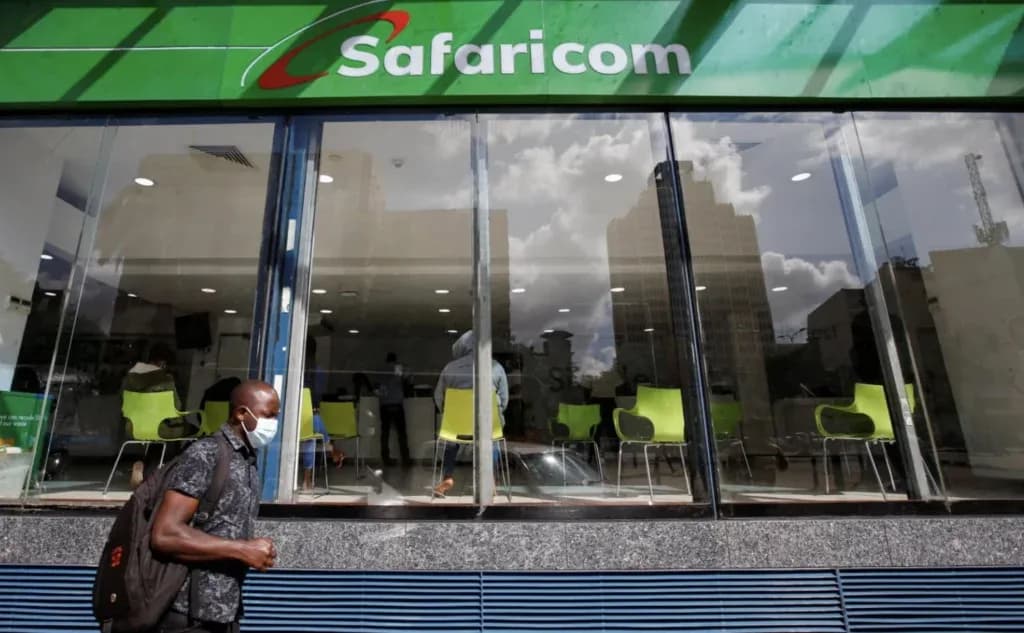
Kenya Court Extends Block on Safaricom Stake Sale to Vodacom
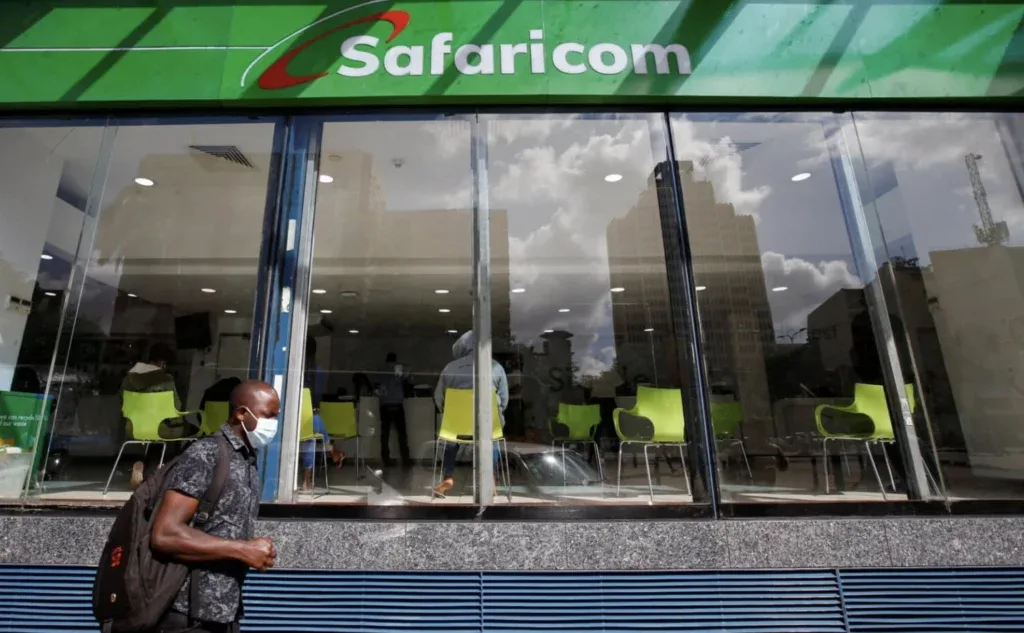
Kenya’s High Court has extended an order suspending the government’s proposed sale of a 15% stake in Safaricom to South African telecommunications giant Vodacom, delaying a transaction that would hand the company effective control of East Africa’s largest telecom operator.
A three-judge bench appointed by Chief Justice Martha Koome ruled that conservatory orders issued in March will remain in force while legal challenges against the deal are heard. The decision prevents Kenya’s National Treasury, Safaricom and Vodacom from taking any steps to implement the transaction until the court reaches a final determination. The ruling represents a setback for both the Kenyan government and Vodacom, which had hoped to complete the deal this year as part of broader plans to strengthen regional telecommunications operations and unlock funding for infrastructure development.
Deal Faces Legal and Political Opposition
The proposed transaction was approved by the Kenyan government in late March and involves the sale of six billion Safaricom shares to Vodacom at 34 Kenyan shillings per share. The deal is estimated to be worth between 204 billion and 240 billion shillings (approximately $1.5 billion to $1.8 billion).
If completed, the government’s shareholding in Safaricom would fall from 35% to 20%, while Vodacom’s stake would increase to more than 55%, giving the South African operator effective control of the company. The government has defended the transaction as a strategic move to raise capital for infrastructure projects through the National Infrastructure Fund while supporting Kenya’s digital transformation agenda.
However, critics argue that the sale significantly undervalues one of the country’s most valuable corporate assets. Former Vice President and Wiper Party leader Kalonzo Musyoka is among those challenging the transaction in court, claiming that the proposed sale price is substantially below Safaricom’s estimated market value of between 70 and 80 shillings per share.
Musyoka has also raised concerns about the transparency of the approval process and alleged constitutional violations surrounding the proposed sale.
Budget Implications for Government
The court delay creates an immediate challenge for Kenya’s fiscal planning. The government had anticipated that proceeds from the transaction would begin flowing into the National Infrastructure Fund from March 2026, providing additional resources for development projects. Speaking previously, Finance Minister John Mbadi indicated that the government would proceed with implementing its budget plans regardless of whether the sale ultimately moves forward.
Vodacom Chief Executive Officer Shameel Joosub also acknowledged during an investor briefing that the matter is now before the courts and could take several months to resolve, leaving uncertainty over the transaction’s timeline.
Safaricom remains one of Kenya’s most strategically important companies, underpinned by the success of its mobile money platform, M-Pesa, which has become a cornerstone of financial services across East Africa. The telecommunications group generates more than 390 billion shillings in annual revenue and plays a central role in Kenya’s digital economy.
For Vodacom, securing majority control of Safaricom would strengthen its footprint across the continent, enhance regional integration opportunities and deepen its presence in one of Africa’s most profitable telecommunications markets.
Until the court reaches a final verdict, however, the future of the landmark transaction remains uncertain, with both investors and policymakers closely watching the outcome of the legal proceedings.