Safaricom Partners with Ericsson to Expand 5G Network in Kenya
Kenyan telecommunications operator Safaricom has entered into a new partnership with Swedish technology company Ericsson to support the continued rollout of its 5G network. Announced on March 2, the agreement focuses on deploying additional microwave links aimed at strengthening network capacity and improving reliability as Safaricom expands 5G coverage across the country. Expanding Network Capacity
Safaricom Partners with Ericsson to Expand 5G Network in Kenya
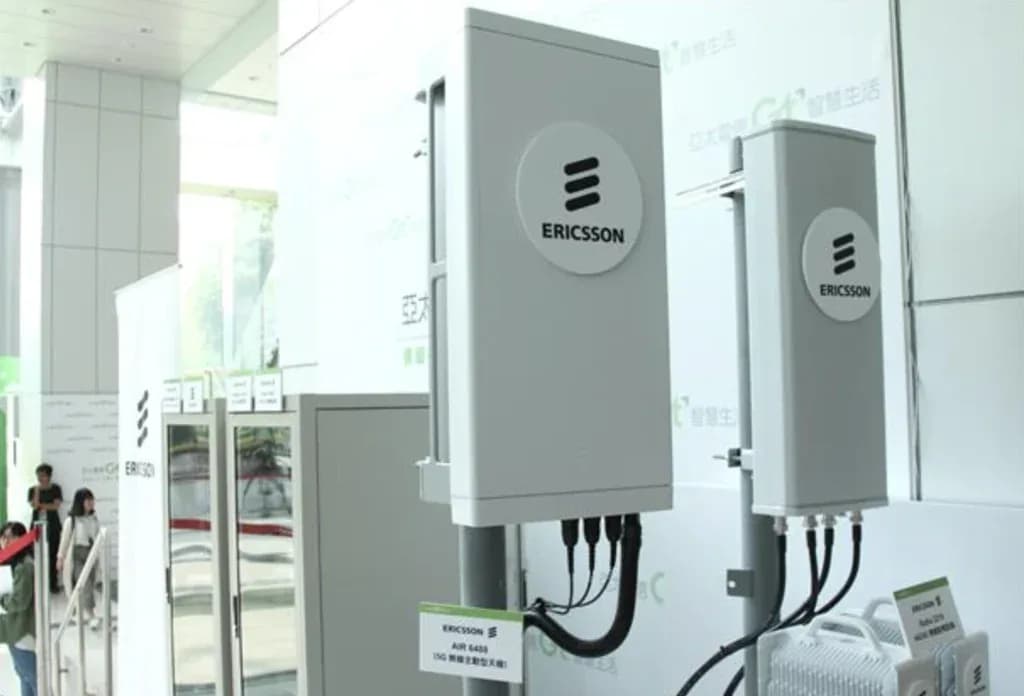
Kenyan telecommunications operator Safaricom has entered into a new partnership with Swedish technology company Ericsson to support the continued rollout of its 5G network. Announced on March 2, the agreement focuses on deploying additional microwave links aimed at strengthening network capacity and improving reliability as Safaricom expands 5G coverage across the country.
Expanding Network Capacity and Automation
Ericsson said the collaboration will also introduce artificial intelligence driven analytics and automation tools into Safaricom’s network. These technologies are expected to improve operational efficiency by enabling faster decision-making and more responsive network management.
“In collaboration with our partners, such as Ericsson, we are making great strides in expanding the benefits of 5G to Kenya’s consumers and businesses,” said Gerishon Gitonga Kithinji, Safaricom’s head of network planning and design. “Our new microwave deal will support us to deliver high-performance 5G services in the country and enhance customer satisfaction.”
Microwave Infrastructure and Rising Data Demand
Ericsson noted in a 2024 report that microwave and millimeter-wave spectrum play a crucial role in wireless backhaul for 5G and next-generation mobile technologies. The company estimates that close to 10 million microwave transceivers are currently in operation worldwide.
Across Africa, microwave links operating on conventional frequency bands have long formed the backbone of telecommunications infrastructure. As mobile data usage continues to surge in Kenya, increasing the capacity of these links has become increasingly important.
Data from the Communications Authority of Kenya (CA) show that 5G mobile internet subscriptions grew from 509,737 in September 2023 to 1.49 million by September 2025. Over the same period, data consumption rose sharply, increasing from 1.57 million gigabytes between July and September 2023 to 59.84 million gigabytes in the third quarter of 2025.
The regulator also reported that Safaricom accounted for 62.7% of the mobile broadband market as of September 2025. Its main competitor Airtel, which also provides commercial 5G services, held a market share of 33.5%.