BasiGo, Rubis Expand Kenya's EV Charging Network
Kenyan electric mobility startup BasiGo is expanding its charging footprint after signing a partnership with Rubis Energy Kenya that will add fast electric vehicle (EV) chargers to service stations across the country. The agreement gives BasiGo access to Rubis' network of more than 300 fuel stations, creating additional charging locations as the company scales electric
BasiGo, Rubis Expand Kenya's EV Charging Network
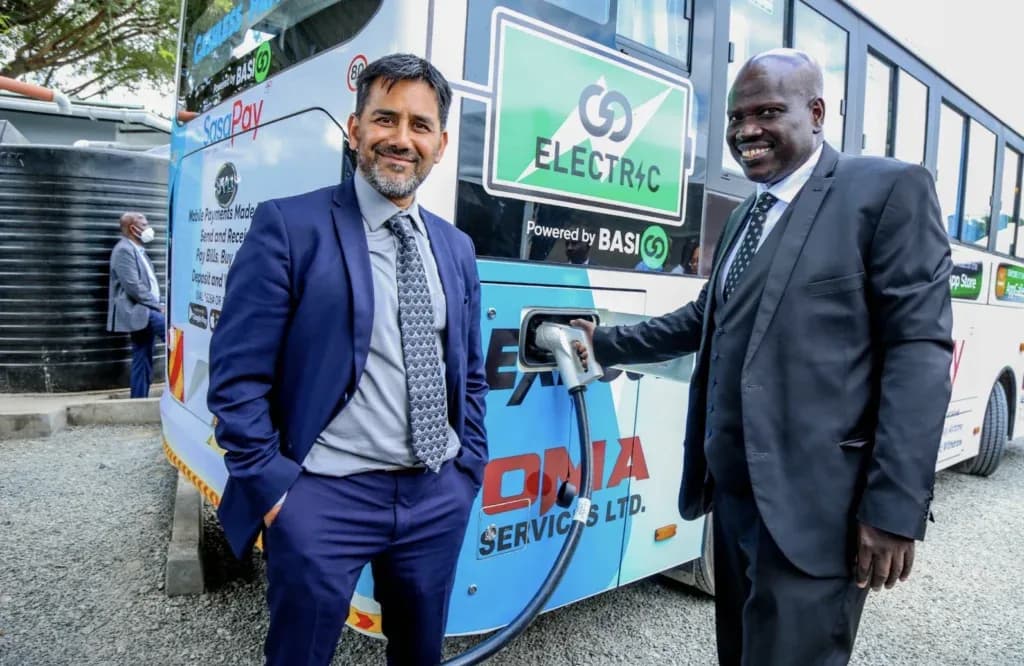
Kenyan electric mobility startup BasiGo is expanding its charging footprint after signing a partnership with Rubis Energy Kenya that will add fast electric vehicle (EV) chargers to service stations across the country. The agreement gives BasiGo access to Rubis’ network of more than 300 fuel stations, creating additional charging locations as the company scales electric transport outside Nairobi. The first site is already operational in Sabaki, near Athi River, while charging stations in Meru, Nanyuki and Nyeri are scheduled to open before the end of July 2026.
The rollout marks another step in addressing the limited charging infrastructure available for long-distance electric transport in Kenya, particularly for commercial fleets operating between cities.
Infrastructure Designed for Multiple Vehicle Types
Although the network has been developed to support BasiGo’s electric buses, it will also be open to other EV users. Electric passenger vehicles, commercial trucks and minibuses fitted with CCS2 or GB/T connectors will be able to use the charging facilities.
The Sabaki location has been fitted with 100kW fast chargers, with electricity priced at 48 Kenyan shillings (US$0.37) per kilowatt-hour.
BasiGo Chief Executive Officer and co-founder Jit Bhattacharya said expanding charging infrastructure remains essential to growing the country’s electric mobility sector.
“The growth of electric mobility requires infrastructure, and that’s exactly what this partnership with Rubis enables us to build. We are creating the infrastructure that will power electric vehicles beyond Nairobi and connect communities across Kenya.”
Latest Step in BasiGo’s Expansion
The Rubis partnership follows a series of investments BasiGo has made over the past year to strengthen its charging ecosystem. In November 2025, the company commissioned charging depots at Taj Mall, Komarock and Riruta in Nairobi. It also introduced pilot intercity electric minibus services connecting Nairobi, Thika, Nyeri, Nakuru and Nyahururu, allowing the company to test operations on longer routes.
Access to Rubis’ nationwide network reduces the need for BasiGo to develop standalone charging sites in every location where it plans to operate. Instead, the company can build on existing infrastructure while extending its services into additional towns and cities.
Rubis Broadens Its Energy Offering
The agreement also supports Rubis Energy Kenya’s plans to diversify its business as demand for alternative transport technologies grows. Regional Chief Executive Officer Olivier Sabrie said the company is transitioning from its traditional role as a fuel distributor to a broader energy provider.
For BasiGo, the partnership complements its expansion into Rwanda and increases the availability of charging facilities needed to support the wider deployment of electric public transport across Kenya. As the company’s fleet grows, a larger charging network is expected to improve route planning and operational flexibility for electric buses serving both urban and intercity markets.