Kenya Strengthens Digital Transformation Partnership with South Korea for Konza Technopolis Development
In a strategic move to advance its digital transformation agenda, Kenya has renewed collaboration with South Korea as part of the third phase of the Economic Innovation Partnership Programme (EIPP). This collaboration, facilitated in partnership with the Korea Trade Investment Promotion Agency, focuses on the development of Konza Technopolis, often referred to as Kenya's Silicon
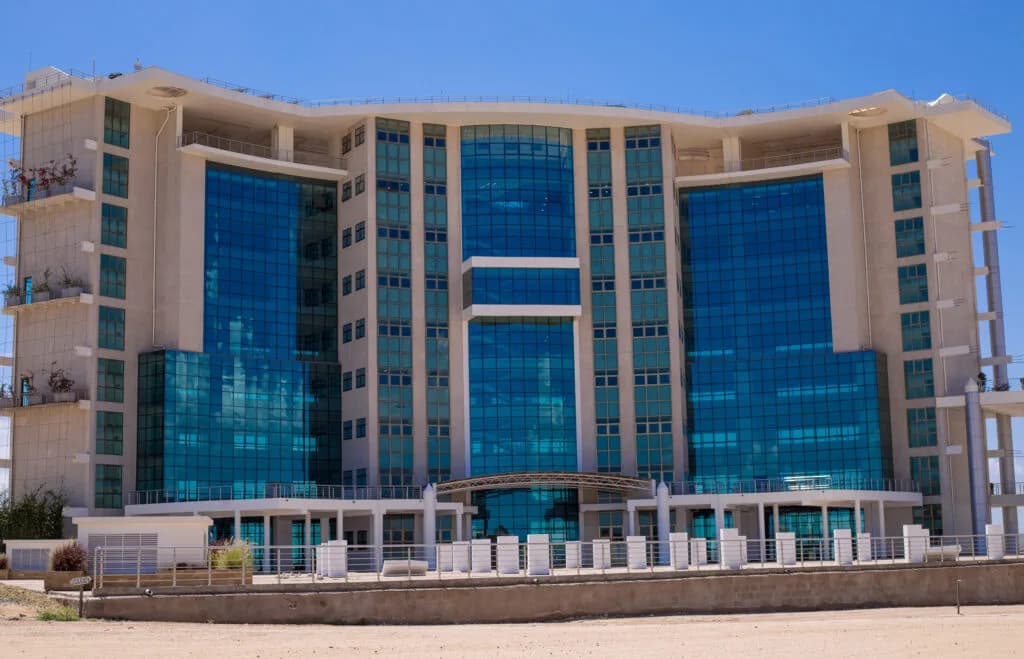
Kenya-Strengthens-Digital-Transformation-Partnership-with-South-Korea-for-Konza-Technopolis-Development
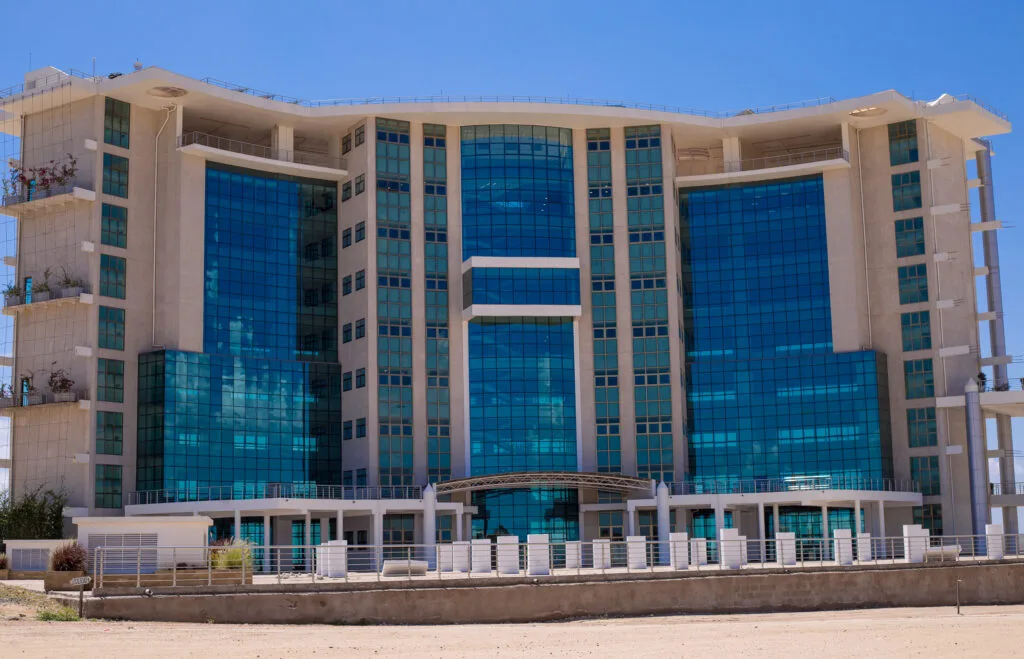
In a strategic move to advance its digital transformation agenda, Kenya has renewed collaboration with South Korea as part of the third phase of the Economic Innovation Partnership Programme (EIPP). This collaboration, facilitated in partnership with the Korea Trade Investment Promotion Agency, focuses on the development of Konza Technopolis, often referred to as Kenya’s Silicon Valley.
Konza Technopolis is a significant technology hub project located 64 kilometers south of Nairobi, with the Kenyan government positioning it as a key component of the Kenya Vision 2030 development strategy. The collaboration aims to fortify the infrastructure and support systems for Konza Technopolis, promoting stability, innovation, and sustainability.
Engineer John Kipchumba Tanui, Kenya’s Principal Secretary for the Department for ICT and Digital Economy, highlighted the fruitful partnership with Korea across various sectors, including ICT, infrastructure development, healthcare, water, and education. He outlined the objectives of the third year of EIPP, emphasizing the focus on establishing stable infrastructure, incubation complexes, smart farms, diversified energy sources, green transition, and enhanced energy independence for Konza.
Korea’s EIPP grant methodology, based on long-term cooperation, has already contributed to the establishment of smart city development, the Konza Digital Media City, and the Kenya Advanced Institute of Science and Technology (KAIST). These initiatives play a pivotal role in positioning Kenya on the trajectory towards a knowledge-based economy, aligning with the nation’s Digital Transformation Agenda.
KAIST, modeled after Korea’s Advanced Institute of Science and Technology, has been instrumental in driving economic transformation in Korea. The growing collaboration with Korea complements Kenya’s commitment to becoming a digital economy, a vision championed by President William Ruto.
President Ruto has emphasized the transformative power of technology in enhancing efficiency, inclusivity, and transparency in Kenya. The government’s efforts include the digitization of services, enabling Kenyans to access over 5,000 government services online through the enhanced e-Citizen platform. Ruto anticipates that digitalization will eliminate inefficiencies, corruption, waste, and bias in service delivery while ensuring equal access for underprivileged communities.
In recent months, Kenya has increased its focus on expanding the ICT sector, allocating $109.6 million (KES 15.1 billion) in the budget for the financial year 2023/2024 to fund ICT-related initiatives. The country is actively implementing policies such as the national ICT policy, the Kenya Start-Up Act, the Data Protection Act, the Digital Economy Blueprint, and the Computer Misuse and Cybercrime Act to foster the growth of its digital economy. The strengthened collaboration with South Korea is poised to play a crucial role in Kenya’s journey towards becoming a prominent ICT innovation hub in the region.