Intel has secured Microsoft as a customer for its foundry services
Intel has revealed that it has plans to collaborate with Microsoft for the production of a custom computing chip, aiming to outpace its major competitor, Taiwan's TSMC, in advanced chip manufacturing. The announcement was made at Intel Foundry's inaugural technology conference in San Jose, California. The company wants to reclaim the title of producing the
Intel-has-secured-Microsoft-as-a-customer-for-its-foundry-services
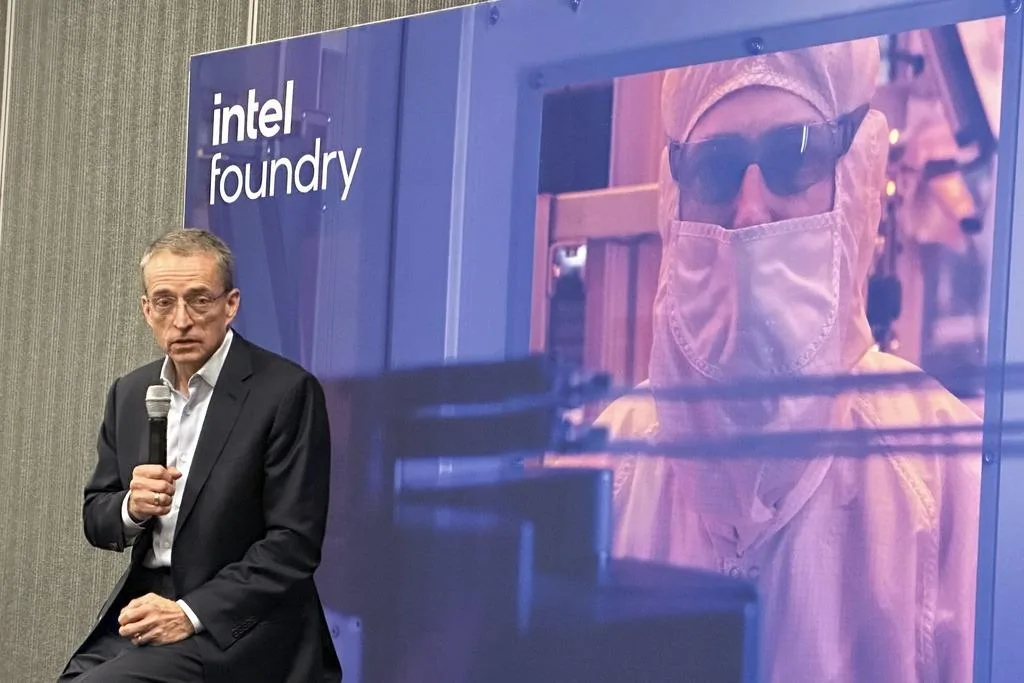
Intel has revealed that it has plans to collaborate with Microsoft for the production of a custom computing chip, aiming to outpace its major competitor, Taiwan’s TSMC, in advanced chip manufacturing.
The announcement was made at Intel Foundry’s inaugural technology conference in San Jose, California. The company wants to reclaim the title of producing the world’s fastest chips from TSMC later this year using its Intel 18A manufacturing technology and maintain this lead through 2026 with the upcoming Intel 14A technology.
Microsoft is set to utilize Intel’s 18A technology for an undisclosed chip, contributing to Intel’s increased foundry orders, now totaling $15 billion, up from the previously mentioned $10 billion. The revelation of the 14A technology marks the first time Intel has detailed its plans beyond the 2025 deadline set by CEO Pat Gelsinger to regain the chip-making leadership.
Intel, traditionally producing chips for itself, faced challenges when it lost its manufacturing lead, resulting in less competitive chips and reduced margins. To recover, Intel is relying on potential government subsidies and external customer business. The company is positioning itself as an attractive option due to its extensive history of operating advanced factories globally, offering geographic diversity compared to TSMC’s concentration in Taiwan.
Intel has secured four “large” customers for its 18A manufacturing technology, yet these customers remain unnamed. The partnership with ARM Holdings aims to simplify chip production with ARM technologies in Intel’s factories. Additionally, collaborations with the University of California Berkeley and the University of Michigan will grant students access to Intel’s 18A manufacturing technology. Intel’s unique technology for accelerating power-hungry artificial intelligence chips is drawing interest, with Nvidia, a leader in the AI chip market, evaluating Intel’s manufacturing capabilities.
The success of Intel’s strategy to attract external customers is seen as crucial for its turnaround, with analysts emphasizing the importance of tangible results over the next two to three years.