Innovation in Recruitment – Helping Close Africa’s Skills Gap
Recruitment is busy undergoing a period of rapid change, with technology playing a big role in new recruitment platforms and processes. Several new start-ups have appeared on the horizon in the last decade or less, that have taken a completely new spin on effective recruitment and are turning the industry on its head. The recruitment
Innovation in Recruitment – Helping Close Africa’s Skills Gap
Recruitment is busy undergoing a period of rapid change, with technology playing a big role in new recruitment platforms and processes.
Several new start-ups have appeared on the horizon in the last decade or less, that have taken a completely new spin on effective recruitment and are turning the industry on its head.
The recruitment processes that have been around for decades are fast becoming redundent and the challenges for recruiters to find the right talent have also become more complex, with technology now playing an increasingly bigger role in the selection and authentication processes.
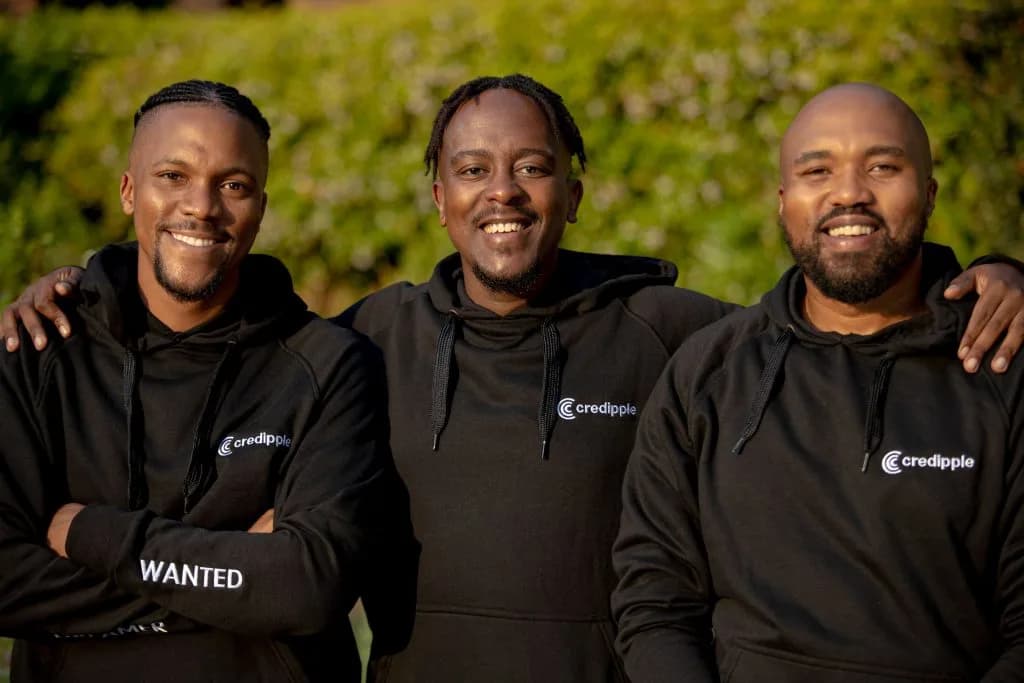
After six years as a talent marketplace,South African recruitment company Credipple, has now positioning itself as a talent intelligence platform that leverages AI-powered simulations to address the global digital skills gap and accelerate access to opportunities for the African youth.
Lethabo Sekhu, COO of Credipple comments that “From day one, we have been committed to connecting verified digital talent with meaningful work,” he continues, “But the world of work is changing, and so must we. The transition to talent intelligence is our response to the shifting needs of the market —through our simulations we help businesses hire with confidence using verified data and give talent better ways to prove their capabilities”
Digital Skills Gap Growing
Credipple’s evolution comes at an important juncture in the industry, with the global digital skills gap was projected to cost global US companies $2.5 trillion in lost productivity over a 10-year period ending 2028, driven by businesses unable to find qualified professionals to drive digital transformation.
In a globalised labour market, Africa is producing millions of graduates annually but creating far fewer jobs, the continent’s youth — the youngest workforce in the world — face limited pathways to employment and providing more global work opportunities could be the answer to growing unemployment and community upliftment.
Credible says its hypothesis that is solving the digital skills gap requires an ecosystem approach—not fragmented fixes. The real problem, according to the company, isn’t a lack of innovation in skills development. It’s the fragmentation of efforts.
Bootcamps, talent marketplaces, online courses, and employer-led programs each address part of the challenge. However piecemeal solutions cannot keep pace with the speed and complexity of an AI-powered future of work.
Building a Solid Skills Ecosystem
“To truly close the “learning-to-earning” gap—especially across Africa—we must build a synchronized digital skills ecosystem that connects all stakeholders and verified talent intelligence is at the heart of that”, says Sekhu.
“Why is the ecosystem approach non-negotiable? Technology is accelerating faster than humans can adapt, and if we delay building mechanisms that onboard people into digital literacy and skill relevance, we risk a generational divide that will be economically and socially irreversible” he comments.
More Than Job Matching
To bridge this divide, Credipple is in the process of building a scalable platform that goes beyond job matching. At its core are AI-enabled remote work simulations, co-developed with subject matter experts and hiring companies.
These simulations assess real-world competencies in areas like digital marketing, software development, data analysis, and customer experience. Prospective employees can showcase their abilities through deliverables that mirror real work scenarios, moving beyond the limitations of traditional CVs and self-reported credentials.
This data feeds into a growing talent intelligence engine that not only matches talent to opportunities but also provides insights to help companies plan their workforce, upskill employees, and identify future skills needs.
Investor Backing to Build Scale
A vital enabler of this transformation has been the strategic backing of Aions Ventures, headed by serial entrepreneur Mitchan Adams, whose investment has provided both financial and operational support during a critical growth phase.
“At Aions, we invest in scalable solutions that have the potential to transform economies,” says Adams. “Credipple stood out because they are tackling one of Africa’s most urgent challenges — youth unemployment — with innovation, integrity, and intent. Their pivot to talent intelligence is putting a game-changing ecosystem in place.”
Credipple’s model is built around three pillars:
- Talent acquisition and recruitment: Helping employers find, assess, and hire trust digital talent using verified data.
- Gig economy enablement: Supporting freelancers through a soon-to-launch AI-driven assistant that will guide career growth, pricing, and portfolio development.
- Skills gap training: Guiding talent through personalised reskilling journeys using insights from simulation performance.
“There is a lingering view that we are just for creatives,” says Kgolo Lekoma, CEO of Credipple. “In reality, we’ve shifted focus to high-demand digital and future skills—Without demand-aligned pathways, we risk developing talent for jobs that don’t exist.”
The company’s journey began in 2019 after winning the Multichoice Innovation Challenge. Since then, it has secured pre-seed funding from IDF Capital, onboarded Aions Ventures as a lead investor, and partnered with organisations like Telkom, Trace, HSRC, and the Goethe-Institut to develop its current simulation library. Along the way, Credipple has garnered accolades including the 2024 Irish Tech Challenge and the 2024 Future Makers Tech for Good Award.
“Today’s young and emerging workforce are increasingly building their careers outside formal workplaces, but lack the necessary knowledge, know-how, networks, and verification mechanisms to find pathways to formal employment opportunities,” says Lekoma. “By providing talent with market insights regarding in-demand skills, we are helping them level the playing field and stay competitive in a world where the shelf life of skills continues to decrease.”
Verified Skills – The Future of Hiring
Looking ahead, verified skills will become non-negotiable in hiring. “As AI-generated CVs and bots flood the market, the need for trusted, human-verified data is more urgent than ever, and we are building that infrastructure, with our next simulations coming soon, says Lekoma.”