Is Gradual Compliance Enough for Informal African Small Businesses?
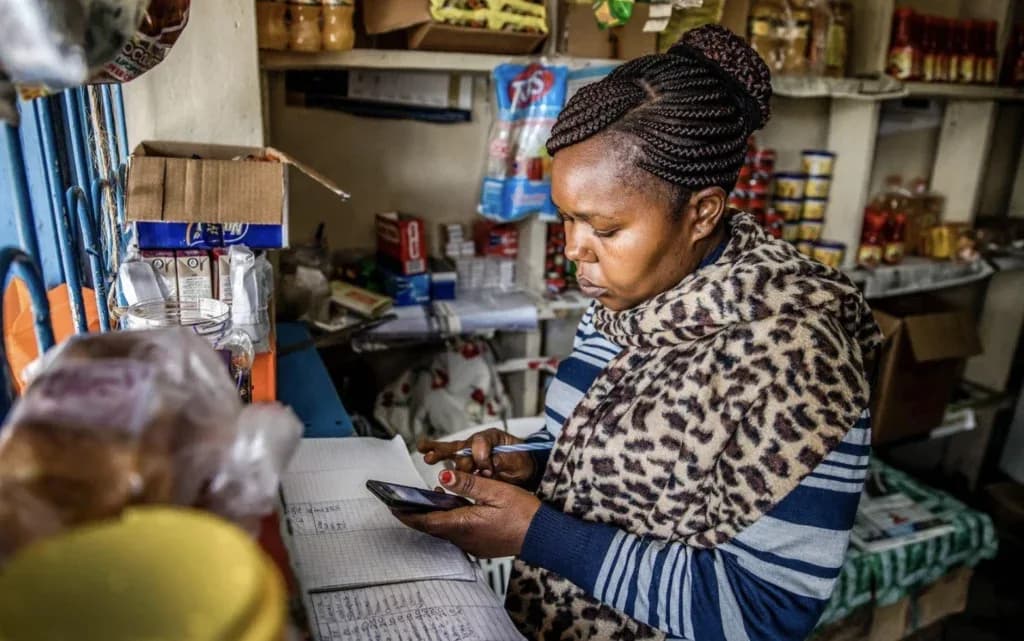
Informal African markets make up a big part of how small startups begin, and one thing stands out business moves fast. The Norm is Most of it happens with no formal transaction. Goods do not stay idle around for long, and prices are worked out right there on the spot. There’s no time to slow
Is Gradual Compliance Enough for Informal African Small Businesses?
Informal African markets make up a big part of how small startups begin, and one thing stands out business moves fast. The Norm is Most of it happens with no formal transaction. Goods do not stay idle around for long, and prices are worked out right there on the spot. There’s no time to slow down. It’s one sale after the next, and everything keeps moving.
For many startups, this is where things begin to make sense. Not in theory just people paying or refusing to pay. A product either moves or it doesn’t. Prices adjust quickly because they have to, and if something isn’t working, the feedback is immediate. That kind of environment forces clarity early. It also creates room to start small, without a heavy setup. This is why many startup businesses pass through this space at some point, even if it is not formally recognised as part of their journey.
Limits of informality
But the same setup starts to push back once the business grows. There is only so much that can run on cash and personal trust. At some point, a proper bank account becomes necessary. Records need to exist, and income needs to be visible. This is where informality begins to limit progress.
Larger opportunities also come with conditions. Supplying a company, working with distributors, or accessing certain platforms usually requires paperwork. Contracts, invoices, and compliance become part of the process. Without these, opportunities remain out of reach, regardless of how strong the product is. There is also risk beneath the surface. Informal businesses operate without insurance, legal protection, or clear systems. If something goes wrong, there is little to absorb the impact.
Gradual formalisation
Formalising the business starts to change that, but it doesn’t happen in one move. Registration costs money. Time goes into paperwork instead of sales. Records have to be kept, even when the business is still figuring things out. At first, it can feel like extra work with no immediate return. That’s why most businesses don’t switch all at once they move into it bit by bit.
In most cases, businesses move in stages, starting with name registration, but money still dominates transactions. Records start to take on a more organised and structured approach, though not consistently. Digital payments come in slowly, usually through mobile money and the ever-growing fintech support for businesses, and over time the business becomes a mix of formal and informal practices that evolves gradually.
Balancing growth and structure
informal markets are where a lot of real demand is, and they make it easier to get started. But staying there has limits, especially as a business grows. Things can start to feel uncertain money gets mixed up, and accountability begins to weaken. Transactions are remembered instead of recorded, and it becomes harder to see what’s actually coming in or going out. That’s where structure starts to matter. Not everything at once, just enough to keep things under control. Tracking tansactions, separating cash, and putting a few simple systems in place helps the business stay organised as it grows and take on bigger opportunities.
Gradual compliance isn’t a fix on its own, but it’s a practical way forward. It allows informal businesses to build structure step by step records, accounts, traceable payments without taking on costs too early. That makes it easier to show how the business is actually performing, which is what lenders and investors look for. But structure alone doesn’t unlock growth. Access to capital, simpler regulations, and real incentives still matter. Gradual compliance works best as part of that wider intergration, helping businesses move from survival to something more stable and scalable.