Indian journalists’ iPhones infected with Pegasus spyware
In late October, Apple's alerts suggesting that Indian journalists and members of the opposition might be under state-backed cyber-attacks elicited a strong rebuttal from Prime Minister Narendra Modi's administration. Rather than acknowledging Apple's concerns, government officials expressed skepticism and initiated an investigation into the security of Apple devices. While India has neither confirmed nor denied
Indian-journalists-iPhones-infected-with-Pegasus-spyware
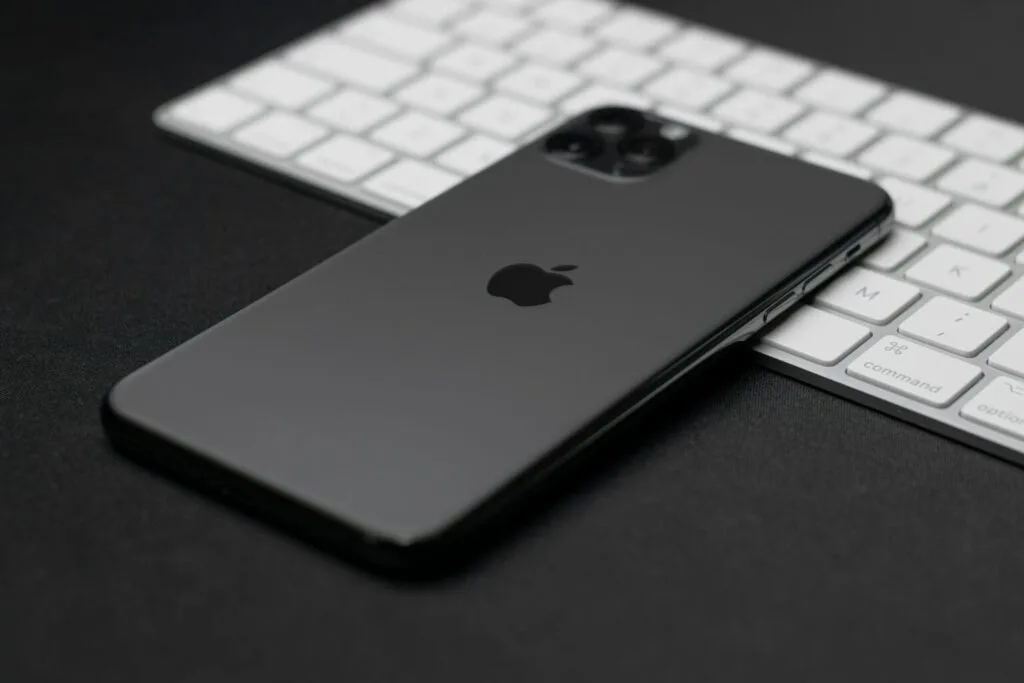
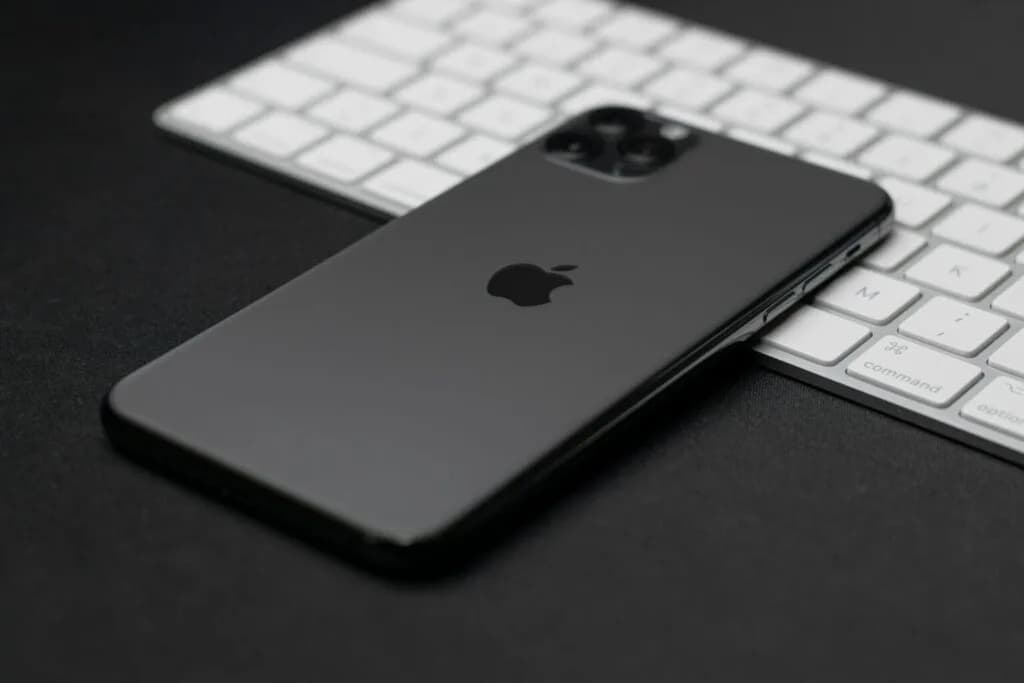
In late October, Apple’s alerts suggesting that Indian journalists and members of the opposition might be under state-backed cyber-attacks elicited a strong rebuttal from Prime Minister Narendra Modi’s administration. Rather than acknowledging Apple’s concerns, government officials expressed skepticism and initiated an investigation into the security of Apple devices.
While India has neither confirmed nor denied the use of the Pegasus spyware tool, Amnesty International disclosed on Thursday that it had identified NSO Group’s intrusive spyware on iPhones belonging to notable Indian journalists. This revelation lent credence to Apple’s initial cautionary statements.
Donncha Ó Cearbhaill, the Head of Amnesty International’s Security Lab, emphasized the escalating threats journalists in India face, not only from unlawful surveillance but also from other oppressive tactics like imprisonment, smear campaigns, and intimidation. He criticized the persistent lack of accountability regarding the alleged use of Pegasus spyware in India, highlighting the glaring human rights violations that persist unchecked.
Further complicating the situation, The Washington Post revealed that Apple encountered resistance from high-ranking officials within Modi’s administration. Behind closed doors, these officials reportedly urged Apple to downplay the political ramifications of its warnings. In an attempt to address these concerns, Apple even dispatched a security expert to engage with ministry leaders. However, these efforts yielded limited success.
Despite initial statements from Apple India that hinted at the possibility of false alerts, no subsequent clarification or reassurance was issued to appease the Indian authorities. This episode underscored the challenges faced by government critics in India and highlighted the lengths to which the Modi administration might go to deflect accusations of engaging in digital espionage. Several individuals who received Apple’s warnings in October have been vocal critics of Modi or his close associate, Gautam Adani, a prominent figure in India’s energy and infrastructure sectors.
For Apple, upholding its commitment to user privacy and security superseded concerns about potential business repercussions in India. The tech giant, which inaugurated two official stores in India this year, aims to shift a quarter of its iPhone manufacturing to the country by 2025, as projected by JP Morgan analysts. Nonetheless, this incident unveiled Modi’s readiness to exert pressure on major tech corporations.